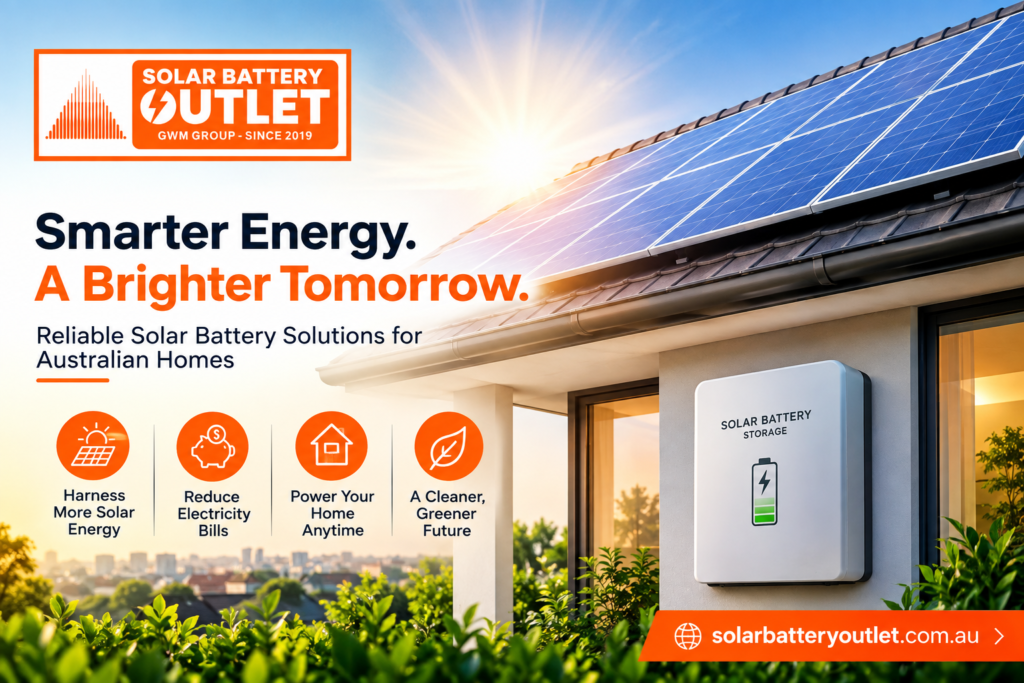
Choosing a home battery is about more than finding a system with a large capacity or an attractive price. A battery becomes part of your home’s electrical system, so safety, installation quality, compatibility and long-term reliability all deserve careful attention. If you are comparing the Best Solar Batteries Australia has to offer, it is important to look beyond brand names and consider how the battery will actually work in your property.
For many Australian households, a battery is installed alongside solar panels to store excess daytime generation for later use. But getting the most from that setup requires the right equipment, a suitable installation location and professional installation. This guide explains the key safety and installation considerations homeowners should understand before making a decision.
Why Battery Safety Should Come Before Price
A home battery stores a significant amount of electrical energy. Modern battery systems include sophisticated monitoring and protection technology, but correct installation and ongoing care remain essential.
Residential battery energy storage systems are commonly paired with solar panels and can involve risks including fire, explosion and chemical exposure if equipment is damaged, incorrectly installed or improperly managed. Fire and Rescue NSW recommends professional installation, appropriate positioning and regular inspection to reduce these risks.
That does not mean homeowners should be afraid of battery storage. When suitable equipment is installed correctly and relevant requirements are followed, battery systems can be used safely. The important point is that safety should be considered from the planning stage rather than after the equipment has been purchased.
What Makes a Battery Suitable for Your Home?
There is no single battery that is automatically the right choice for every household. A suitable system depends on your electricity consumption, existing solar setup, available space, budget and expectations.
Before choosing a model, consider:
- How much electricity your household uses each day
- How much excess solar energy is available for charging
- When your household uses the most electricity
- Whether backup power is important to you
- Whether the battery can work with your existing inverter
- Available installation space
- Warranty terms and support arrangements
- Applicable Australian requirements and network rules
- Whether the product is currently approved for relevant schemes or requirements
The Clean Energy Council maintains an approved batteries list containing lithium-based battery products that meet specified industry and safety requirements. Its list is dynamic, so homeowners should check the current status of a product rather than relying on an old product list or outdated advertisement.
Understand Battery Capacity Before You Buy
Battery capacity is usually discussed in kilowatt-hours (kWh), but the biggest number on a product brochure does not necessarily tell you how much energy your household can actually use.
There is a difference between nominal capacity and usable capacity. For example, a battery may have a stated capacity that is higher than the amount the system makes available for normal household use.
This is why comparing batteries solely on advertised kWh can be misleading.
Instead, ask:
How much energy can I actually use?
Your installer should explain the battery’s usable capacity and how its operating settings affect available energy.
How much energy do I need overnight?
Look at your electricity consumption after sunset. If your household normally uses only a modest amount overnight, buying a much larger battery may not automatically provide better value.
How much excess solar do I have?
A battery needs energy to charge. If your solar system regularly produces very little surplus electricity, a large battery may not operate as efficiently as you expect.
A good system is therefore one that matches the household rather than simply maximising storage capacity.
Choosing a Safe Installation Location
Where a battery is installed can be just as important as which battery you choose.
The location should provide suitable conditions for the equipment, allow appropriate ventilation and minimise exposure to hazards. Fire and Rescue NSW advises that residential battery systems should be installed in a cool, ventilated, low-traffic area and away from entries and exits.
NSW Government guidance also recommends considering factors such as bushfire and flooding risk, nearby fuels or chemicals, and proximity to habitable rooms when selecting a location.
Your installer may assess locations such as:
- A suitable garage area
- An external wall
- A dedicated utility area
- Another location permitted under the applicable installation requirements
Appearance should not be the only consideration. A convenient wall that looks good may not necessarily be the safest or most appropriate position.
Keep the Area Around the Battery Clear
Once the battery is installed, the surrounding area should remain accessible and free from unnecessary clutter.
Do not place boxes, garden equipment, chemicals or other combustible materials directly around the battery. Avoid blocking ventilation areas, and keep the system accessible for inspection and maintenance.
Outdoor installations also need attention to environmental conditions. Leaves, dust, water exposure and physical impact can all become concerns if the system is not appropriately protected.
A simple habit can help: periodically look around the battery and check whether anything has changed since installation.
Why Professional Installation Matters
Battery installation is not a suitable DIY project.
A battery system connects with electrical equipment and may interact with solar panels, an inverter, the switchboard and the electricity grid. The installation therefore needs to be designed and completed by appropriately qualified professionals who understand the relevant requirements.
Fire and Rescue NSW specifically recommends using accredited technicians for residential battery installations.
Professional installation also gives you an opportunity to identify compatibility problems before equipment is purchased.
For example, NSW Government guidance warns that incompatible batteries and inverters can potentially void the warranties of both components.
Check Compatibility With Existing Solar Equipment
If you already have solar panels, adding a battery does not necessarily mean replacing your entire system.
However, the existing inverter, battery, monitoring equipment and other components need to work together correctly.
This is particularly important with older solar systems. Your installer should assess the existing equipment and explain whether the battery can be integrated directly or whether additional equipment is required.
When considering a solar battery with solar panels, ask the installer to explain the complete system rather than treating the battery as an independent product.
Useful questions include:
- Is my current inverter compatible?
- Will another inverter be required?
- Can the battery charge directly from my existing solar system?
- Will the system provide backup during a grid outage?
- Which household circuits can receive backup power?
- Will existing warranties be affected?
- Does the proposed configuration meet current network requirements?
These questions can prevent unpleasant surprises after installation.
Backup Power Is Not Automatic
Many homeowners assume that installing a battery automatically means the entire house will remain powered during a blackout.
That is not necessarily the case.
Backup functionality depends on the system design and the equipment installed. Some systems can provide backup to selected circuits, while others may be configured differently.
If blackout protection is important to you, mention it before installation rather than assuming it is included.
Ask specifically what happens when the grid fails and which appliances will continue operating.
For example, you may want backup power for:
- Refrigeration
- Lighting
- Internet equipment
- Security systems
- Selected power outlets
- Essential medical or household equipment
High-demand appliances such as air conditioners, electric ovens or large water heaters may require considerably more power than smaller essential loads. Your installer can explain what the proposed system can realistically support.
Battery Chemistry and Safety
Battery chemistry is another factor worth understanding.
Lithium-based systems are widely used in residential energy storage because they offer useful energy density and can be integrated into modern home energy systems. However, different battery technologies and product designs can have different characteristics.
Rather than choosing a battery solely because it uses a particular chemistry, look at the complete product:
- Safety certifications
- Battery management system
- Thermal management
- Warranty
- Usable capacity
- Installation requirements
- Manufacturer support
- Product approval status
The Clean Energy Council is currently transitioning its approved battery requirements toward SA TS 5398:2025, a technical specification covering electrical energy storage equipment safety requirements. The transition is being phased in, with further changes to approved-product requirements occurring through 2026 and 2027.
This is one reason homeowners should check current information when buying rather than relying on an old article or product comparison.
What to Ask an Installer Before Signing
A good installer should be willing to explain the system clearly.
Before approving the installation, ask for information about:
Product approval
Is the proposed battery currently listed on the relevant Clean Energy Council approved products list?
Installation location
Why has this particular location been selected, and are there any safety concerns associated with it?
Compatibility
Will the battery work correctly with your existing solar panels, inverter and switchboard?
Backup
Does the system provide backup power, and if so, which circuits are covered?
Warranty
What does the battery warranty cover, and are there conditions relating to installation, usage or maintenance?
Monitoring
How will you monitor battery performance and identify faults?
Maintenance
What inspections or maintenance are recommended?
Documentation
Will you receive the relevant installation documents, manuals and warranty information after completion?
Taking notes during this conversation can make it much easier to compare multiple quotes objectively.
Inspect the System After Installation
Your responsibility does not end when the installer leaves.
You should understand the basic warning signs that could indicate a problem. NSW Government guidance recommends checking for signs such as physical damage, unusual sounds or gases and making sure ventilation is not obstructed.
Never attempt to repair or open the battery yourself.
If the system has been damaged by impact, flooding, fire or another event, do not simply restart it. Fire and Rescue NSW advises homeowners not to use a damaged system and to arrange professional inspection.
If you notice smoke, unusual heat, a strong smell or other serious warning signs, keep away from the equipment and follow the emergency instructions provided by the manufacturer and relevant emergency authorities.
Keep Safety Information Easy to Find
It is useful to keep the battery manufacturer’s contact details and installer information somewhere accessible.
Fire and Rescue NSW recommends keeping installer and manufacturer contacts near the meter box.
You should also know where the system’s shutdown controls are located and understand the manufacturer’s emergency procedure.
Do not wait until an emergency occurs to read the manual.
A few minutes spent understanding the system beforehand can make a stressful situation much easier to manage.
Think About the Whole Solar System
A battery should not be evaluated in isolation.
Your solar panels generate electricity, the inverter manages electrical conversion, the battery stores energy and the household consumes that energy according to its daily routine. The grid may also remain part of the system.
That means the best-performing setup is often the one where all components are properly matched.
When evaluating a solar battery with solar panels, consider how the system behaves throughout an entire day.
For example, imagine a household that generates plenty of solar energy around midday but has most of its electricity demand between 5 pm and 10 pm. Without storage, some daytime solar generation may be exported while the household later buys electricity from the grid.
A correctly designed battery can shift some of that energy from the daytime to the evening. The exact financial benefit depends on the home’s generation, consumption patterns, electricity plan, battery settings and other factors.
Don’t Choose Based on Price Alone
Price is naturally important, but the cheapest quote may not represent the lowest long-term cost.
Compare the complete proposal rather than the battery price alone.
Look at:
- Battery capacity and usable capacity
- Inverter requirements
- Installation work
- Switchboard upgrades if required
- Backup functionality
- Warranty
- Monitoring
- Product approval
- Installer qualifications
- Ongoing support
A lower-priced system may require additional work later, while a slightly more expensive option may include features or equipment that better suit your home.
The goal is not simply to buy a battery. It is to create a safe and practical energy storage system.
A Practical Homeowner Checklist
Before approving your installation, make sure you can answer these questions:
- What is the battery’s usable capacity?
- How does it match my household’s electricity consumption?
- Is the battery compatible with my existing solar system?
- Is the proposed model currently approved where required?
- Where will the battery be installed?
- Is the location protected from unnecessary heat, water and physical damage?
- What backup capability will I have?
- Which appliances or circuits will receive backup power?
- What does the warranty cover?
- What maintenance is recommended?
- What should I do if the battery is damaged?
- Who should I contact if the system develops a fault?
If an installer cannot clearly answer these questions, take the time to seek clarification before proceeding.
Making Battery Safety Part of Your Energy Plan
The most useful way to think about home battery safety is as part of the entire purchasing process—not as an afterthought.
Start with your household’s energy needs. Review your existing solar equipment. Compare suitable products. Check current approval and safety requirements. Then work with a qualified installer to determine the appropriate location and system configuration.
The Best Solar Batteries Australia offers are not simply the products with the biggest capacity or the most impressive specifications. For a homeowner, a good battery is one that is appropriate for the property, compatible with the wider energy system, correctly installed and supported by clear safety and warranty information.
As battery technology and Australian requirements continue to evolve, checking current product and installation information is especially important. The Clean Energy Council’s approved product lists and current guidance can help homeowners avoid relying on outdated product information.
A carefully planned battery installation can become a practical part of a home’s energy system. By putting safety, compatibility and professional installation ahead of simply choosing the cheapest or largest battery, homeowners can make a more informed decision and build an energy storage setup designed around how their household actually uses electricity.