Modern wellness routines are increasingly focused on simple, practical habits that can fit naturally into busy lifestyles. From mindful breathing and relaxing evening rituals to refreshing morning routines, people are exploring a variety of ways to create a greater sense of balance throughout the day. Aromatherapy is one approach that has remained popular because it can be incorporated without requiring major changes to an existing schedule.
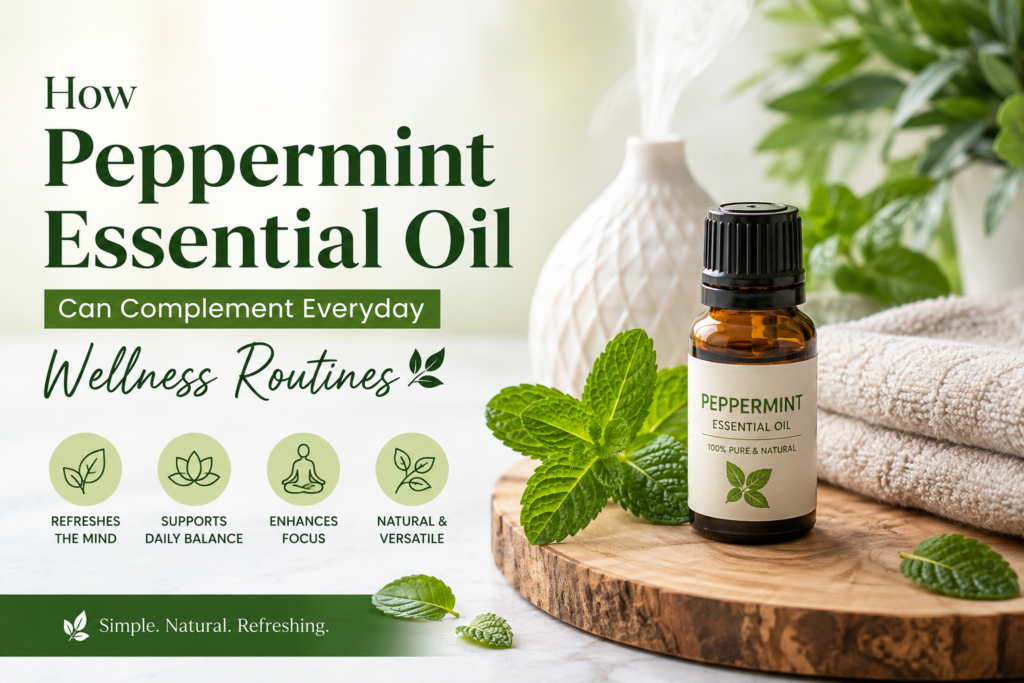
Among the many botanical oils used in aromatherapy, peppermint essential oil is recognized for its fresh, invigorating aroma. Its distinctive scent makes it a popular choice for people looking to create refreshing environments, support personal rituals, or add an aromatic element to their daily self-care practices. When used appropriately, it can become a versatile addition to a broader wellness routine.
Starting the Day With a Refreshing Aroma
Morning routines often set the tone for the rest of the day. A fresh, stimulating scent can make a routine feel more purposeful and enjoyable. Peppermint’s crisp aroma is commonly associated with freshness, making it suitable for morning aromatherapy practices.
Some people may choose to use a diffuser in a well-ventilated room while getting ready for work, studying, or completing household tasks. Others may prefer incorporating the aroma into a personal care routine through properly formulated products.
The goal should not be to create an elaborate ritual. Instead, a few minutes of intentional aromatherapy can become a simple part of an existing morning schedule.
Creating a Focused Environment
Maintaining concentration throughout the day can be challenging, particularly when working from home or managing multiple responsibilities. Environmental factors, including pleasant scents, can influence how comfortable and enjoyable a workspace feels.
A fresh aromatic environment may help make a workspace feel more energized. Diffusion can be one option, provided the product is used according to its instructions and the room has appropriate ventilation.
Aromatherapy should complement healthy productivity habits rather than replace them. Regular breaks, adequate hydration, comfortable workspace arrangements, sleep, and balanced nutrition remain important foundations of everyday wellbeing.
Adding Aromatherapy to Personal Care
Wellness does not have to involve complicated routines. Personal care rituals can provide opportunities to slow down and become more intentional about everyday habits.
For example, properly diluted essential oils may be incorporated into certain cosmetic or personal-care preparations. However, concentrated essential oils should not automatically be applied directly to the skin. Following product-specific instructions and appropriate dilution guidance is important.
Those looking for botanical ingredients may explore reputable suppliers such as Miracle Botanicals Essential Oils, where product information can help consumers understand the characteristics and intended uses of individual oils.
Supporting an Evening Wind-Down Routine
Although peppermint is often associated with freshness and daytime use, aromatherapy in general can also become part of an evening transition. The important consideration is choosing scents that suit individual preferences and creating an environment associated with relaxation.
An evening routine might include reducing screen time, dimming lights, practicing gentle breathing, reading, or simply taking a few quiet minutes away from daily responsibilities. Aromatic elements can be added to this routine according to personal preference.
Because individual responses to scents vary, people should pay attention to how a particular aroma makes them feel rather than assuming that one approach works for everyone.
Choosing Quality Products
The quality of an essential oil can influence its aroma, consistency, and overall user experience. Consumers should consider factors such as botanical identity, sourcing information, packaging, and manufacturer guidance when selecting products.
Proper packaging is particularly important because essential oils contain volatile aromatic compounds. Exposure to excessive heat, light, and oxygen can contribute to changes over time. Dark glass containers and secure caps are commonly used to help protect these concentrated botanical products.
Consumers should also avoid choosing products solely because of attractive marketing claims. Clear labeling and transparent product information provide a stronger foundation for making informed purchasing decisions.
Safe Use Should Remain a Priority
Essential oils are concentrated substances, so responsible use is an important part of any wellness routine. They should be used according to the manufacturer’s instructions, particularly when diffusion, topical application, or blending is involved.
People with sensitive skin should take extra care with topical applications, and appropriate dilution is generally important. Essential oils should not be ingested unless a qualified professional specifically recommends an appropriate product and method.
It is also sensible to keep concentrated oils away from the eyes and other sensitive areas and to store them securely away from children and pets. Anyone with specific health concerns, allergies, or questions about personal use should seek advice from an appropriately qualified professional.
Storage Can Help Preserve Aromatic Quality
Using an essential oil responsibly also means taking care of the bottle between uses. Exposure to sunlight, heat, moisture, and repeated air contact can affect the characteristics of many oils over time.
A cool, dry, dark cupboard is generally a practical storage location for a household collection. Bottles should remain tightly closed when not being used, and keeping them upright can help reduce leakage around caps and closures.
For readers interested in learning more about essential oil storage, the previous article, “How to Store Spice Essential Oils for Long-Lasting Quality,” provides useful guidance on protecting botanical oils from factors such as heat, light, oxygen, and temperature fluctuations.
That article also highlights the importance of dark glass containers, secure closures, dry storage, and checking older oils for noticeable changes in aroma or appearance. These simple practices can help readers manage an essential oil collection more thoughtfully.
Building a Sustainable Wellness Habit
The most effective wellness routines are often the ones that are realistic enough to maintain. Instead of adding numerous complicated practices, individuals can select a few habits that fit naturally into their schedules.
Using peppermint essential oil as part of an occasional aromatherapy ritual can be one such habit. A diffuser session during a morning routine, a refreshing scent during a work break, or an appropriately formulated personal-care product can provide different ways to enjoy its characteristic aroma.
Consistency matters more than complexity. A simple routine that someone enjoys and can maintain is likely to be more practical than an elaborate program that quickly becomes difficult to follow.
The Role of Personal Preference
Aromatherapy is inherently personal. Different botanical scents appeal to different people, and the same fragrance can create different impressions depending on the environment and occasion.
For that reason, people exploring essential oils should experiment carefully within recommended usage guidelines. They may discover that certain scents work better in the morning, while others feel more appropriate during quiet periods or personal-care rituals.
Ultimately, essential oils should be viewed as one optional element of a broader lifestyle rather than a substitute for established wellness practices. Good sleep, nutritious food, regular physical activity, hydration, stress management, and professional healthcare when needed remain essential components of overall wellbeing.
Conclusion
Peppermint essential oil can complement everyday wellness routines through its distinctive, refreshing aroma and versatility in aromatherapy and personal-care practices. From creating an invigorating morning atmosphere to adding a sensory element to personal rituals, it can fit into different lifestyles when used responsibly.
The key is to focus on quality, appropriate application, safe handling, and consistent storage. With realistic expectations and thoughtful use, aromatic practices can become a simple way to make everyday routines feel more intentional and enjoyable.
Frequently Asked Questions
1. What is peppermint essential oil commonly used for?
It is commonly used in aromatherapy and personal-care products because of its fresh, distinctive aroma. Specific applications should follow the manufacturer’s instructions.
2. Can peppermint oil be applied directly to the skin?
Concentrated essential oils should not automatically be applied directly to the skin. Appropriate dilution and product-specific instructions should be followed before topical use.
3. How should peppermint oil be stored?
It is generally best kept tightly closed in a cool, dry, dark location away from direct sunlight and excessive heat.
4. Can essential oils be used every day?
Some people incorporate aromatherapy into daily routines, but frequency and application method should follow product instructions and individual circumstances.
5. What should consumers look for when buying essential oils?
Consumers can consider clear labeling, botanical information, sourcing details, suitable packaging, and transparent usage and safety guidance when choosing a product.