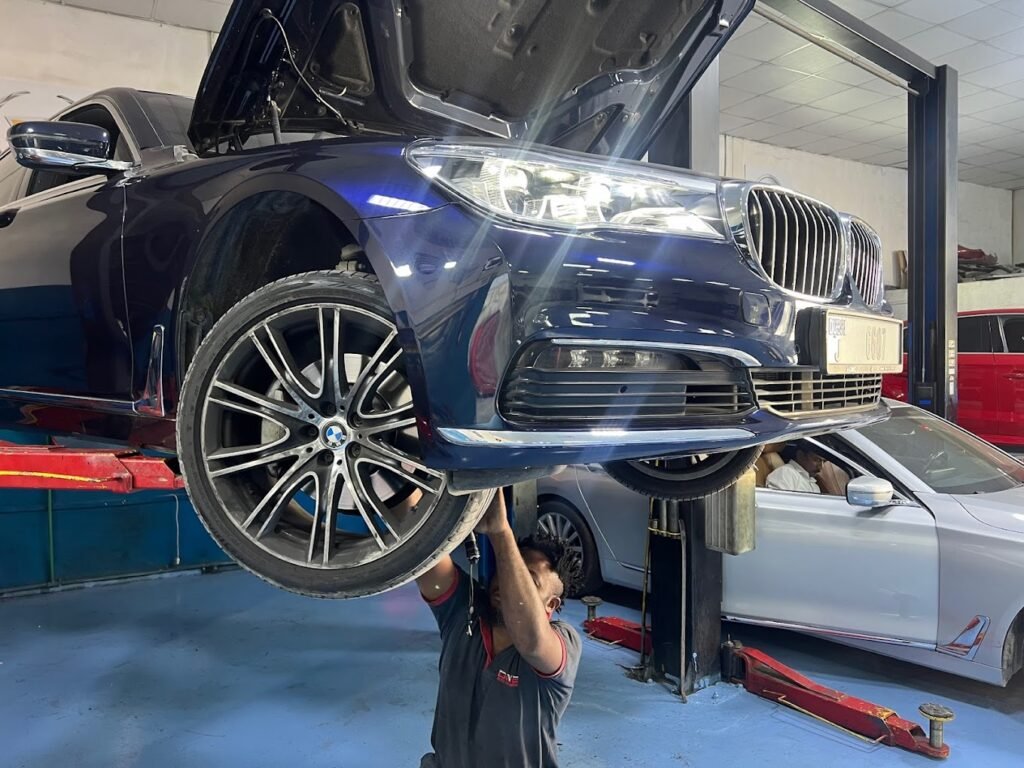
Owning a BMW is about more than enjoying premium performance and luxury—it also means keeping your vehicle in excellent condition through regular maintenance. Whether you drive your BMW daily or only on weekends, following a proper maintenance routine can improve safety, enhance performance, and help you avoid expensive repairs.
If you’re looking for reliable BMW repair in Dubai, understanding the basics of preventive maintenance can help you identify issues early and ensure your vehicle receives the right care when professional service is needed. This practical checklist covers the most important areas every BMW owner should monitor to keep their car running at its best.
1. Check and Replace Engine Oil Regularly
Engine oil is essential for lubricating internal engine components and reducing friction. Over time, oil breaks down and becomes contaminated, reducing its effectiveness.
Maintenance Tips:
- Check the oil level at least once a month.
- Use the manufacturer-recommended synthetic oil.
- Replace the oil and oil filter according to BMW’s recommended service interval or sooner if you frequently drive in heavy traffic or extreme temperatures.
Fresh engine oil helps maintain engine efficiency and extends engine life.
2. Monitor All Essential Fluids
Beyond engine oil, your BMW depends on several other fluids to operate safely and efficiently.
Regularly inspect:
- Coolant
- Brake fluid
- Transmission fluid
- Power steering fluid (where applicable)
- Windshield washer fluid
Low or contaminated fluids can lead to overheating, poor braking performance, or transmission issues. Always top up or replace fluids using products that meet BMW specifications.
3. Inspect the Brake System
BMW vehicles are designed for responsive braking, making routine brake inspections especially important.
Pay attention to:
- Brake pad thickness
- Brake disc condition
- Brake fluid quality
- Unusual noises during braking
- Vibrations or reduced stopping performance
Ignoring worn brake components can compromise safety and increase repair costs. Replace brake pads before they wear down completely to protect the brake discs.
4. Check Tyres and Maintain Proper Pressure
Tyres play a significant role in handling, comfort, and fuel efficiency.
Inspect regularly for:
- Uneven tread wear
- Sidewall damage
- Cracks or punctures
- Correct tyre pressure
Rotate tyres according to the manufacturer’s recommendations to promote even wear. Proper wheel alignment and balancing also improve handling while extending tyre life.
5. Examine the Suspension System
BMW vehicles are known for their precise handling, largely due to their advanced suspension systems.
Watch for signs such as:
- Excessive bouncing
- Knocking noises
- Uneven tyre wear
- Vehicle pulling to one side
- Reduced ride comfort
Worn shock absorbers, struts, or suspension bushings should be replaced promptly to maintain driving stability and passenger comfort.
6. Maintain the Cooling System
A healthy cooling system prevents engine overheating and protects critical engine components.
Inspect:
- Coolant level
- Radiator
- Water pump
- Cooling hoses
- Thermostat
Any coolant leaks or rising engine temperatures should be addressed immediately. Preventive cooling system maintenance is much less expensive than repairing an overheated engine.
7. Test the Battery and Charging System
Modern BMW models rely heavily on electronic systems that require a healthy battery.
Look out for:
- Slow engine cranking
- Dashboard warning lights
- Electrical malfunctions
- Dim headlights
Have the battery tested during routine servicing, especially if it is more than three years old. Also inspect the alternator to ensure the battery is charging properly.
8. Keep Electronic Systems Updated
BMW vehicles feature advanced electronic components that control everything from engine management to driver assistance features.
Regular maintenance should include checking:
- Diagnostic fault codes
- Software updates
- Sensors
- Parking assistance systems
- Infotainment functionality
Professional diagnostic equipment can identify hidden faults before they become major problems.
9. Replace Air Filters
Your BMW uses engine air filters and cabin air filters to maintain performance and passenger comfort.
A clean engine air filter helps:
- Improve airflow
- Maintain engine efficiency
- Support better fuel economy
A clean cabin filter:
- Improves air quality
- Enhances air conditioning performance
- Reduces dust and allergens inside the vehicle
Replacing both filters at recommended intervals keeps your BMW operating efficiently.
10. Follow the Manufacturer’s Service Schedule
One of the best ways to protect your investment is by following BMW’s recommended maintenance schedule.
Routine servicing typically includes:
- Fluid inspections
- Oil changes
- Brake inspections
- Suspension checks
- Computer diagnostics
- Filter replacements
- Battery testing
Professional technicians understand BMW-specific systems and use the proper tools and genuine parts to maintain factory performance.
Final Thoughts
Preventive maintenance is the key to enjoying the performance, reliability, and luxury that BMW is known for. Regular inspections of fluids, brakes, tyres, suspension, cooling systems, and electronic components can significantly reduce the risk of unexpected breakdowns and expensive repairs.
Whether your BMW is brand new or has covered many kilometres, staying proactive with routine maintenance will help preserve its value and ensure a safer driving experience. When more advanced servicing or diagnostics are required, choosing experienced professionals for BMW repair in Dubai ensures your vehicle receives the specialised attention it deserves.
Frequently Asked Questions
1. How often should a BMW be serviced?
Most BMW models should be serviced every 10,000 to 15,000 kilometres or once a year, depending on driving conditions and the manufacturer’s recommendations.
2. What are the most common maintenance items for a BMW?
The most common maintenance tasks include oil changes, brake inspections, tyre maintenance, fluid replacement, battery checks, air filter replacement, and cooling system inspections.
3. Why is the cooling system important in a BMW?
The cooling system regulates engine temperature and prevents overheating. Regular inspection of coolant, hoses, radiator, and water pump helps avoid costly engine damage.
4. Can regular maintenance improve the lifespan of a BMW?
Yes. Consistent preventive maintenance reduces wear on major components, improves reliability, enhances performance, and can significantly extend the lifespan of your BMW.