Introduction
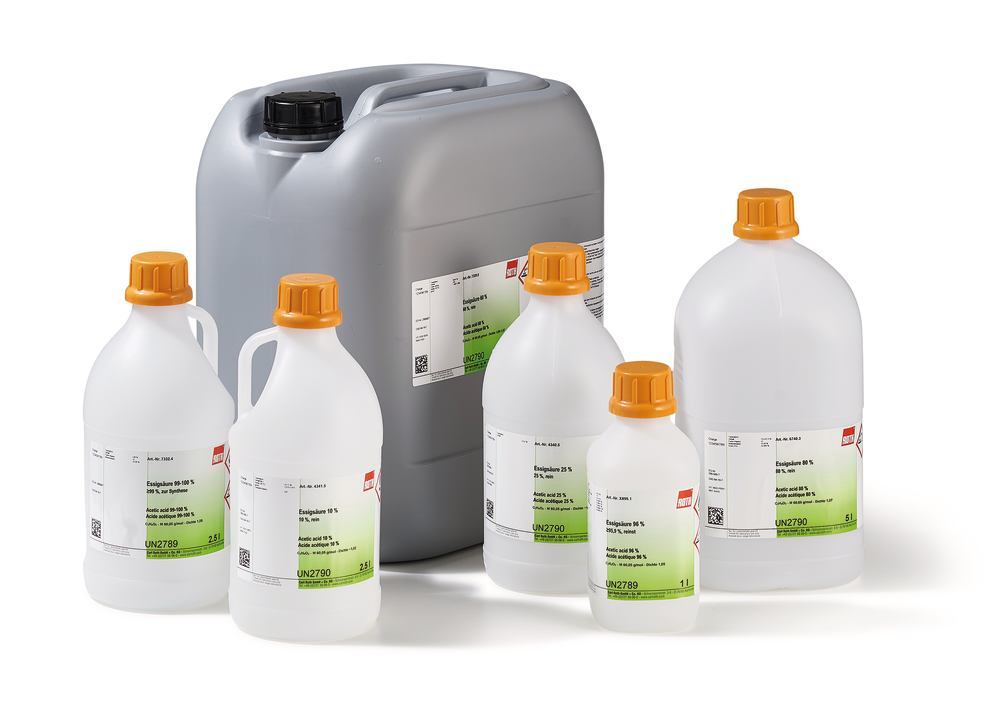
A concentrated acid solution can improve manufacturing efficiency, but only when its concentration, quality and handling are carefully controlled. Products within the Acetic Acid, 80% category can support laboratory preparation, chemical formulation, controlled acidification and industrial processing where a defined acetic acid strength is required.
An 80% solution provides more acidity per unit volume than weaker preparations. This can reduce storage requirements and limit the amount of additional water introduced into a process. However, it also demands accurate measurement, suitable equipment and carefully documented procedures.
Why Does Concentration Consistency Matter?
The concentration of an acid affects every calculation based on its quantity. Even a small difference can influence the final pH, reaction conditions or product composition.
Consistent concentration supports:
- Reliable batch preparation
- Accurate dilution
- Controlled pH adjustment
- Repeatable chemical reactions
- Predictable cleaning performance
- Improved quality documentation
The product specification should be reviewed before use. Users should confirm how the 80% concentration is expressed and whether the stated grade is suitable for the intended process.
What Types of Processes May Use Acetic Acid 80%?
Depending on the approved product grade, Acetic Acid 80% may support:
- Preparation of acetate solutions
- Organic synthesis
- Laboratory reagent preparation
- Industrial acidification
- Process cleaning
- Textile treatment
- Chemical formulation
- Controlled pH reduction
- Sample preparation
- Production of diluted working solutions
The same material may not be suitable for every application. A product intended for technical processing may have different quality requirements from one used in pharmaceutical, analytical or food-related work.
How Can It Support Efficient Formulation?
A concentrated starting material gives formulators flexibility when preparing several lower-strength solutions.
For example, one controlled stock may be used to produce different working concentrations for separate processes. This can simplify inventory while reducing the need to store multiple diluted products.
However, the formulation team must consider:
- Required final acid concentration
- Water already present in the formulation
- Order of ingredient addition
- Mixing efficiency
- Temperature changes
- Equipment compatibility
- Final product stability
Acetic acid should not be added rapidly into a poorly mixed formulation. Localised areas of high acidity may damage sensitive ingredients or create uneven product performance.
Why Is the Order of Addition Important?
The order in which acetic acid is combined with water or other ingredients can affect heat generation, mixing and safety.
A controlled dilution process normally involves adding the acid gradually to the required water while mixing continuously. This approach helps distribute heat and reduces the risk of localised splashing.
Before starting, the operator should verify:
- Required acid quantity
- Required water quantity
- Vessel capacity
- Stirrer operation
- Material compatibility
- Temperature limits
- Protective equipment
- Labelling requirements
The process should follow the organisation’s approved procedure and product safety documentation.
How Does Temperature Affect Preparation?
Diluting concentrated acid may increase the temperature of the mixture. Temperature can also influence liquid density, volume measurement and final product behaviour.
During preparation, users should:
- Monitor the solution temperature
- Avoid rapid addition
- Maintain effective mixing
- Allow the solution to cool before final volume adjustment
- Record any defined temperature requirement
- Avoid sealing a hot preparation immediately
If final concentration is based on volume, temperature differences may affect accuracy. Gravimetric preparation may be preferable for some controlled manufacturing procedures.
Why Is Material Compatibility Essential?
Acetic Acid 80% may react with or damage unsuitable containers, tubing, seals, pumps and metal components.
Equipment selection should consider:
- Container construction
- Seal material
- Pump compatibility
- Hose resistance
- Valve design
- Corrosion risk
- Cleaning requirements
- Expected contact time
A component that performs well during brief contact may not remain suitable during long-term storage.
Equipment should be inspected for cracking, swelling, leakage, discolouration or corrosion. Any damaged component should be replaced before the material is transferred.
How Can Accurate Dosing Improve Product Quality?
Accurate dosing helps prevent excessive acidification and reduces the need for corrective additions.
Suitable methods may include:
- Controlled weighing
- Calibrated volumetric equipment
- Metering pumps
- Compatible dispensers
- Automated dosing systems
- Closed transfer equipment
The selected method should match the required batch size and tolerance.
For pH-controlled formulations, the acid should be added in smaller quantities as the target value approaches. This reduces the risk of passing the required endpoint.
How Should an Incoming Batch Be Checked?
Incoming inspection helps confirm that the delivered material matches the approved purchase and specification.
Checks may include:
- Product name
- Concentration
- Batch number
- Container condition
- Closure integrity
- Certificate of analysis
- Manufacture or retest date
- Required storage conditions
- Quantity received
Any leaking container, unclear label or unexpected appearance should be investigated before the product is accepted for use.
The material should remain traceable from receipt through dispensing, processing and final disposal.
How Should Acetic Acid 80% Be Stored?
The solution should be stored in a suitable chemical area within its original or approved compatible container.
Storage controls should include:
- Secure closure
- Clear hazard identification
- Suitable ventilation
- Spill containment
- Protection from excessive heat
- Separation from incompatible materials
- Controlled access
- Regular stock inspection
The container should be opened only when necessary. Transfer into smaller containers should be completed through an approved procedure, and every secondary container must be labelled clearly.
What Should Be Recorded During Use?
Complete records support consistency and troubleshooting.
Documentation may include:
- Product batch number
- Quantity dispensed
- Dilution calculation
- Final concentration
- Preparation date
- Equipment used
- Operator name
- Process temperature
- Final pH where applicable
- Storage location
When a batch performs differently from previous batches, these records help determine whether the cause was related to concentration, measurement, equipment, mixing or storage.
What Safety Controls Are Required?
Acetic Acid 80% is a concentrated corrosive solution. Direct contact can damage the skin and eyes, while vapours may irritate the respiratory system.
Controls may include:
- Chemical-resistant gloves
- Protective eyewear
- Suitable protective clothing
- Effective ventilation
- Controlled pouring or pumping
- Accessible eyewash facilities
- Spill-response equipment
- Trained personnel
The product-specific safety data sheet should be reviewed before handling. Emergency and waste procedures should be understood before the container is opened.
Conclusion
Acetic Acid 80% can support efficient formulation, controlled acidification and reliable chemical processing when its concentration and handling are managed correctly.
Its concentrated format can reduce storage volume and provide flexibility for preparing multiple working solutions. However, accurate dosing, controlled dilution, material compatibility and strong documentation are essential.
By inspecting incoming material, monitoring temperature, maintaining traceability and following appropriate safety controls, laboratories and manufacturers can achieve more consistent results while reducing avoidable processing errors.