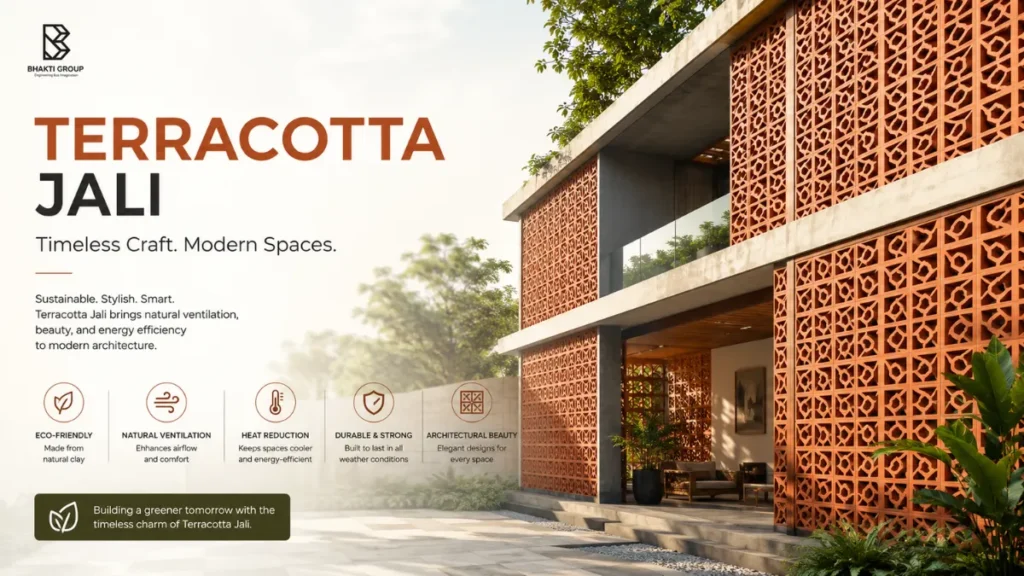
Explore terracotta jali benefits, uses, design styles, sustainability, energy efficiency, and modern architectural applications in this easy guide for homeowners, architects, builders, and design enthusiasts worldwide.
Buildings today are no longer judged only by their appearance—they are also expected to be energy-efficient, environmentally friendly, and comfortable throughout the year. This shift has brought traditional materials like terracotta jali back into the spotlight. Made from natural clay, terracotta jali combines timeless craftsmanship with modern engineering to create buildings that stay cooler, consume less energy, and offer striking architectural appeal. From luxury homes to commercial projects, it has become a preferred choice for architects looking to balance beauty and performance.
In this Bumppy overview, we take a closer look at why terracotta jali is becoming an essential element of sustainable architecture. Countries such as India, Bangladesh, China, Italy, Spain, Germany, France, the United Kingdom, Australia, Singapore, the United Arab Emirates, and the United States are increasingly using terracotta-based construction to improve energy efficiency, promote green buildings, and preserve architectural heritage while embracing modern design.
Why Is Terracotta Jali Becoming a Must-Have Feature in Sustainable Buildings?
Terracotta jali is a perforated architectural screen made from baked natural clay that improves airflow, controls sunlight, and reduces indoor heat. Unlike conventional building materials, it naturally cools interiors by encouraging cross ventilation while maintaining privacy and allowing soft daylight to enter. This helps reduce dependence on air-conditioning, lowering energy consumption and supporting environmentally responsible construction. Its durability, versatility, and elegant appearance make it suitable for both contemporary and traditional architectural styles.
Key Reasons Terracotta Jali Is Changing Modern Building Design
- Promotes passive cooling through continuous natural ventilation.
- Reduces indoor heat gain and improves thermal comfort.
- Enhances façades with attractive textures, patterns, and natural finishes.
- Manufactured from eco-friendly clay that is recyclable and sustainable.
- Suitable for homes, offices, hotels, schools, hospitals, and public spaces.
- Supports green building certifications by improving energy performance.
How Terracotta Jali Creates Smarter and Greener Spaces
Terracotta jali is more than a decorative architectural feature—it is a practical climate solution. By combining traditional craftsmanship with modern manufacturing techniques, architects can create customized screens that improve airflow while enhancing building aesthetics. The material also reduces glare, improves daylight distribution, and creates healthier indoor environments. As cities focus on sustainable urban development, terracotta jali is becoming an important component of climate-responsive architecture across the world.
Understanding the Features That Make Terracotta Jali Unique
Terracotta Jali
Terracotta jali is a perforated panel crafted from fired natural clay. It allows air and filtered sunlight to pass through while reducing direct heat and maintaining privacy. It is widely used in façades, balconies, windows, courtyards, and decorative partitions. Its natural texture makes it suitable for both classic and modern buildings.
Passive Cooling
Passive cooling refers to architectural techniques that naturally lower indoor temperatures without relying heavily on mechanical cooling systems. Terracotta jali plays an important role by encouraging airflow and limiting solar heat gain. This improves indoor comfort while reducing electricity consumption.
Green Building Materials
Green building materials are products that minimize environmental impact throughout their life cycle. Terracotta is biodegradable, recyclable, and made from naturally available clay. Its durability and energy-saving properties make it a preferred material for sustainable construction.
Facade Design
A façade is the exterior face of a building that influences both appearance and performance. Terracotta jali enhances façades by improving ventilation, providing shade, and creating visually appealing patterns. It also contributes to better thermal efficiency throughout the year.
Natural Ventilation
Natural ventilation is the process of circulating outdoor air through a building without mechanical systems. Terracotta jali encourages continuous airflow, helping maintain fresh indoor environments while reducing humidity and improving occupant comfort.
Frequently Asked Questions About Terracotta Jali
1. What is terracotta jali used for?
Terracotta jali is used in façades, windows, balconies, partitions, boundary walls, and courtyards to improve ventilation, reduce heat, and enhance architectural aesthetics.
2. Is terracotta jali suitable for all climates?
Yes. It performs especially well in warm and tropical regions by improving airflow and reducing solar heat, but it can also be used in various climate conditions.
3. Does terracotta jali help save energy?
Yes. By reducing indoor temperatures naturally, it decreases dependence on air-conditioning and contributes to lower energy consumption.
4. Is terracotta jali environmentally friendly?
Absolutely. It is made from natural clay, is recyclable, and supports sustainable construction practices with a lower environmental impact than many conventional materials.
5. Why is terracotta jali popular in modern architecture?
It combines functionality, sustainability, durability, and attractive design, making it an ideal solution for energy-efficient and visually appealing buildings.
Conclusion
Terracotta jali is proving that traditional materials can play a major role in shaping the future of architecture. Its ability to improve ventilation, reduce energy use, enhance aesthetics, and support sustainable construction makes it an increasingly valuable choice for modern buildings. As architects around the world continue adopting climate-responsive designs, terracotta jali is becoming a symbol of smarter and greener construction. In this Bumppy analysis and Bumppy Wrap Up, terracotta jali stands out as a timeless architectural solution that perfectly balances sustainability, performance, and design excellence.