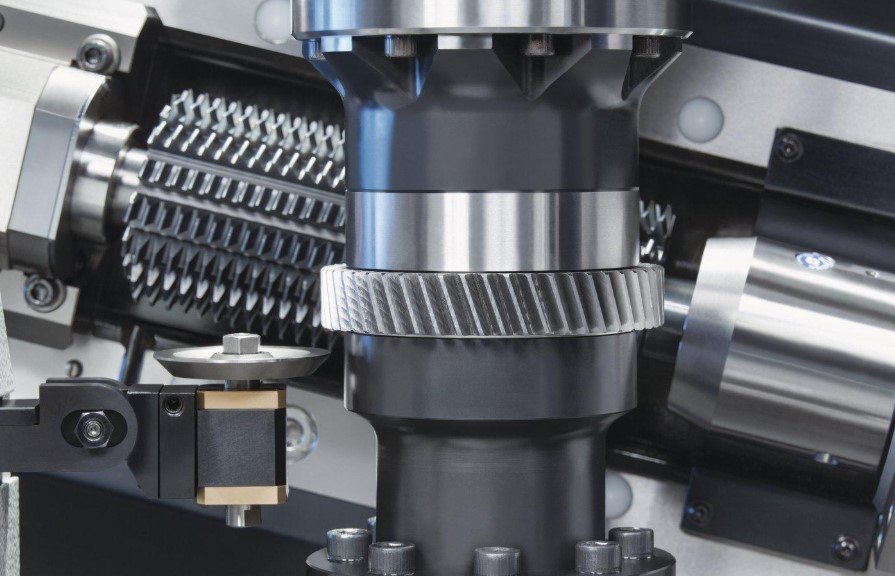
The manufacturing industry is continuously adopting advanced technologies to improve accuracy, efficiency, and production consistency. Smart manufacturing is one of the key developments transforming modern machining processes by combining automation, data analysis, connected equipment, and real-time monitoring. These technologies can significantly improve the performance, reliability, and lifespan of gear hobs used in precision gear production.
For a gear hob manufacturer, implementing smart manufacturing practices helps optimize tool production, improve quality control, and deliver cutting tools that meet the increasing demands of modern industries.
Understanding Smart Manufacturing in Gear Production
Smart manufacturing uses digital technologies to monitor and control manufacturing processes. Unlike traditional production methods, smart systems collect real-time data from machines and tools, allowing manufacturers to identify problems, improve processes, and maintain consistent quality.
In gear hob production, smart manufacturing can support areas such as:
- Tool design and development
- Precision machining
- Quality inspection
- Performance monitoring
- Production optimization
These improvements help ensure that gear hobs perform reliably in demanding machining environments.
How Smart Manufacturing Improves Gear Hob Performance
1. Better Tool Design and Optimization
Advanced design software and simulation technologies allow manufacturers to analyze gear hob performance before production begins. Engineers can optimize cutting geometry, flute design, and material selection to achieve better cutting efficiency.
This helps create gear hobs that provide:
- Improved cutting accuracy
- Reduced machining resistance
- Better surface finish
- Longer tool life
2. Enhanced Manufacturing Precision
Smart manufacturing systems use advanced CNC equipment and automated controls to maintain tight production tolerances. During gear hob manufacturing, even small dimensional variations can affect the final gear quality.
Digital monitoring helps maintain consistency in:
- Cutting edge geometry
- Tooth profile accuracy
- Tool dimensions
- Surface finish
As a result, manufacturers can produce more reliable and precise gear hobs.
3. Real-Time Quality Monitoring
One of the biggest advantages of smart manufacturing is continuous data collection during production. Sensors and inspection systems can detect variations early and help prevent defects.
Real-time monitoring allows manufacturers to:
- Identify production issues quickly
- Reduce tool inconsistencies
- Improve inspection accuracy
- Maintain stable quality standards
This creates a more controlled manufacturing environment.
4. Predictive Maintenance and Longer Tool Life
Smart manufacturing technologies can monitor machine conditions and tool performance to predict when maintenance is required. This reduces unexpected downtime and helps maintain consistent machining conditions.
For gear hobs, predictive maintenance can help prevent:
- Excessive tool wear
- Reduced cutting performance
- Unexpected production interruptions
This allows manufacturers to improve efficiency and reduce operating costs.
5. Data-Driven Process Improvement
Manufacturers can analyze production data to identify opportunities for improvement. Information collected from machining processes helps optimize cutting parameters, reduce variations, and improve overall performance.
A data-driven approach enables a gear hob manufacturer to continuously refine production methods and deliver tools with better consistency and reliability.
The Future of Smart Manufacturing in Gear Hob Production
As industries demand higher precision and faster production cycles, smart manufacturing will continue to play an important role in tool development. Combining automation, artificial intelligence, and advanced inspection technologies can help manufacturers produce gear hobs that deliver improved performance and durability.
Companies adopting these technologies can achieve better control over production processes while meeting strict quality requirements.
Conclusion
Smart manufacturing has the potential to significantly improve gear hob performance by enhancing design accuracy, production control, quality monitoring, and tool reliability. Through advanced technologies and data-driven processes, manufacturers can create gear hobs that provide consistent results in modern gear machining applications.
For manufacturers and users of gear cutting tools, smart manufacturing represents an important step toward achieving higher efficiency, improved quality, and more reliable machining performance.