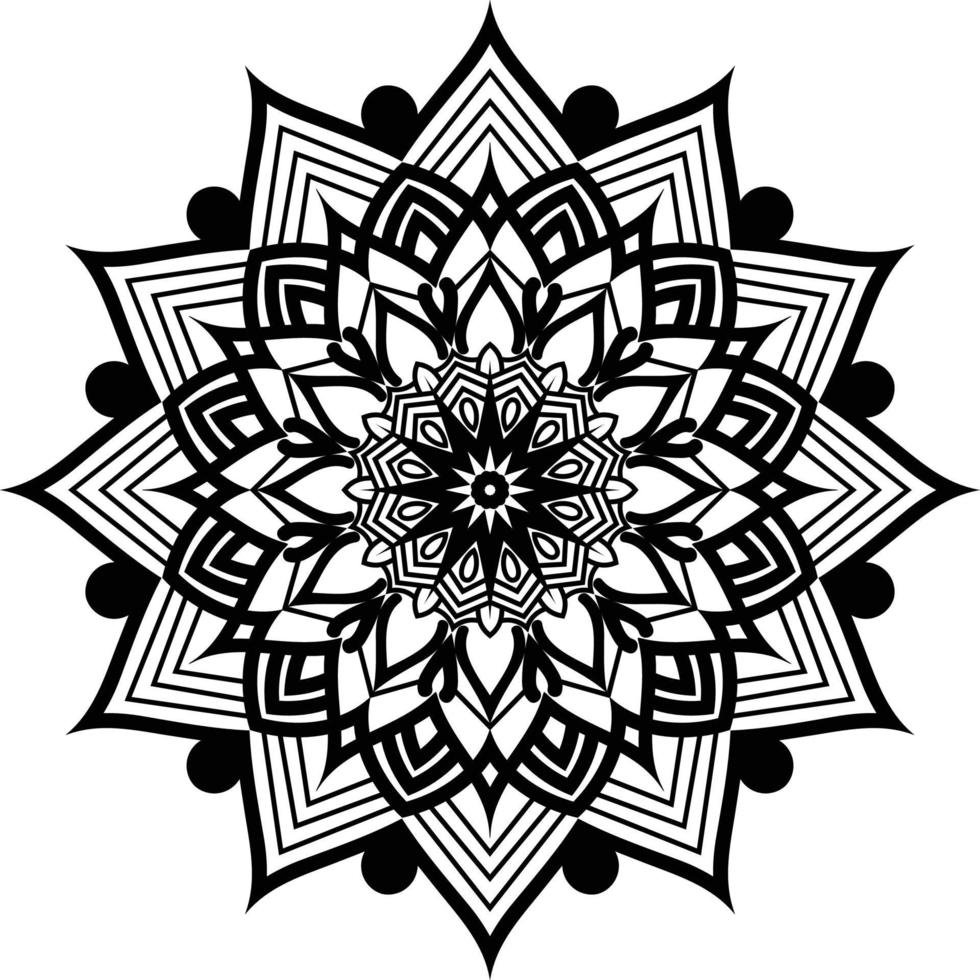
Geometric designs have played an important role in artistic traditions because they create order, rhythm, and visual harmony. A carefully designed Black mandala combines dark tones with structured shapes to create a powerful appearance. Geometric forms add meaning and balance by guiding the viewer’s attention through repeated lines, circles, and patterns. These elements help artists create detailed artwork that feels organized, expressive, and visually engaging.
The Role Of Geometry In Mandala Artwork
Geometric shapes provide the foundation of many mandala designs by creating a structured layout for artistic expression. Circles, triangles, squares, and symmetrical patterns help establish a sense of balance across the entire composition. Artists use these forms to arrange details in a way that feels natural and consistent. The careful placement of geometric elements allows every section of the artwork to connect with another part, creating a unified appearance that attracts attention and encourages deeper observation.
How Symmetry Creates Visual Balance In Mandala Patterns
Symmetry is one of the most important features in geometric mandala artwork because it creates a stable and calming visual experience. Repeated shapes placed around a central point allow the design to maintain equal proportions throughout the pattern. This balanced arrangement makes the artwork easier to follow and gives it a professional appearance. Symmetrical geometry also helps highlight small details, allowing viewers to appreciate the craftsmanship behind every line, curve, and repeated element within the overall design.
The Meaning Behind Common Geometric Forms
Different geometric shapes can represent various ideas and emotions within mandala artwork. Circles often represent unity and completeness, creating a smooth foundation for detailed patterns. Triangles may represent direction, movement, or energy through their sharp angles. Squares are commonly associated with stability and structure because of their strong lines and equal sides. Combining these forms allows artists to create meaningful compositions that communicate ideas beyond simple decoration while maintaining a visually pleasing arrangement.
Circular Patterns And Their Artistic Importance
Circular patterns are frequently used in mandala designs because they naturally guide the viewer’s eyes toward the center of the artwork. The rounded structure creates a flowing appearance that supports repeated details and layered elements. Artists often build multiple circular sections to introduce depth and complexity without making the design feel crowded. These patterns work especially well with dark color schemes because the contrast between lines and spaces becomes more noticeable, creating a refined and attractive artistic effect.
Angular Shapes And Their Contribution To Design
Angular shapes introduce contrast by adding sharp edges and defined structures to mandala artwork. Triangles, diamonds, and polygon forms create visual interest by breaking up softer circular patterns. These shapes can give the design a stronger character and highlight specific areas within the composition. Artists often combine angular forms with curved elements to create variety, allowing the artwork to maintain both strength and elegance. This combination results in a balanced design that feels carefully planned and visually memorable.
Key Geometric Elements Used In Mandala Creation
Geometric mandala patterns often rely on several design techniques that help artists develop detailed and organized artwork. These methods guide the creation process and support consistent results.
- Central alignment helps maintain equal spacing throughout the design.
- Repeated shapes create rhythm and improve pattern consistency.
- Layered sections add depth and allow more detailed artwork.
- Line variations create contrast between different geometric areas.
- Balanced spacing prevents the design from appearing overcrowded.
Steps For Creating A Geometric Mandala Design
Creating a geometric mandala requires planning, patience, and attention to detail. Artists usually begin by selecting a central point that becomes the foundation of the entire pattern. A circle is then drawn around this point to establish the main structure. Additional shapes are added gradually while maintaining equal spacing and symmetry. Dark shades, careful line work, and repeated patterns are used to complete the design. This step-by-step approach helps create artwork that looks organized and visually appealing.
Why Geometric Details Make Mandala Art More Attractive
Geometric details add complexity and personality to mandala artwork by creating multiple layers of visual information. The combination of repeated shapes and balanced arrangements encourages viewers to explore different sections of the design. Dark backgrounds and strong outlines can make geometric patterns appear more defined, giving the artwork a sophisticated style. Many artists use these techniques to create decorative pieces that work well in home interiors, personal collections, and creative projects. The structured nature of geometry makes each design feel intentional and carefully crafted.
Conclusion
Geometric shapes bring structure, meaning, and artistic depth to mandala patterns through careful arrangement and repeated forms. Circles, triangles, squares, and other elements help create balanced compositions that capture attention and encourage appreciation. The connection between geometry and dark artistic styles allows creators to produce designs with strong visual appeal and lasting impact. A thoughtfully created geometric mandala represents both creativity and precision, making it a valued form of decorative and expressive artwork.