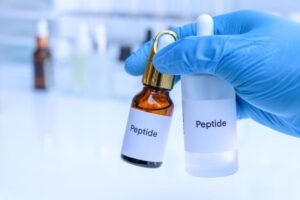
Research peptides have become an important part of scientific studies across many fields, including molecular biology, endocrinology, and regenerative medicine. Researchers use these compounds to better understand biological pathways, receptor activity, and potential therapeutic mechanisms. As interest in peptide science continues to grow, many laboratories in Canada focus on sourcing research materials that meet recognised quality standards.
When evaluating research peptides in Canada, quality testing, transparency, and documentation are often key considerations. Terms such as HPLC tested peptides, peptide lab tested, and Canadian peptide supplier are commonly used to describe products intended for laboratory research.
This article explains what research peptides are, why laboratory testing matters, and provides an overview of several well-known research peptides, including Semaglutide, BPC-157, and TB-500.
What Are Research Peptides?
Peptides are short chains of amino acids that naturally occur in living organisms. Scientists study peptides because they can interact with specific receptors and biological systems.
Research peptides are produced for laboratory and scientific investigations. Depending on the study, researchers may explore topics such as:
- Cell signalling
- Hormone regulation
- Tissue response
- Metabolic pathways
- Protein interactions
- Receptor activity
Research peptides are designed for scientific use and should only be handled according to applicable regulations and laboratory protocols.
Why Quality Matters
One of the biggest concerns in peptide research is product consistency.
Small differences during peptide synthesis or storage can influence laboratory results. Because of this, many researchers look for suppliers that provide quality documentation and independent testing.
Important factors often include:
- Identity verification
- Purity analysis
- Batch consistency
- Proper storage
- Transparent documentation
Reliable quality control helps researchers achieve more reproducible experimental results.
Understanding HPLC Tested Peptides
One of the most recognised quality assessment methods is High-Performance Liquid Chromatography (HPLC).
HPLC is used to measure peptide purity by separating individual components within a sample.
Researchers often review HPLC reports to determine:
- Purity percentage
- Presence of impurities
- Batch consistency
- Manufacturing quality
Although HPLC testing provides valuable information about purity, it does not guarantee suitability for any specific research outcome.
What Does Peptide Lab Tested Mean?
The phrase peptide lab tested generally refers to products that have undergone analytical testing before being released.
Testing may include:
- HPLC purity analysis
- Mass Spectrometry (MS)
- Identity confirmation
- Batch verification
Independent laboratory testing increases transparency and provides additional information that researchers can evaluate before selecting materials.
Importance of Mass Spectrometry (MS)
Mass Spectrometry is another analytical technique commonly used alongside HPLC.
MS helps confirm the molecular weight of a peptide and verifies that the synthesised molecule matches its intended structure.
Using both HPLC and MS allows laboratories to evaluate:
- Chemical identity
- Molecular composition
- Manufacturing consistency
These methods complement each other during quality assessment.
Research Peptides Commonly Discussed in Scientific Literature
Semaglutide
Semaglutide is a peptide that interacts with GLP-1 receptors. It has been widely studied for its effects on glucose regulation, appetite signalling, and metabolic pathways.
Current scientific research explores topics including:
- Hormonal signalling
- Metabolic regulation
- Energy balance
- Receptor interactions
Because Semaglutide has approved medical uses in some jurisdictions, researchers should distinguish between clinical use and laboratory research and follow applicable regulations.
BPC-157
BPC-157 is another peptide that appears frequently in preclinical research.
Scientific investigations have examined areas such as:
- Cellular signalling
- Tissue response
- Experimental healing mechanisms
- Gastrointestinal biology
Many findings come from laboratory or animal studies, and more human research is needed to better understand its effects.
TB-500
TB-500 is a synthetic peptide derived from thymosin beta-4.
Researchers have explored it in studies related to:
- Cell migration
- Tissue biology
- Experimental regenerative processes
As with other research peptides, ongoing investigation is needed, and laboratory findings should not be interpreted as established clinical outcomes.
Choosing a Canadian Peptide Supplier
Researchers often consider several practical factors when evaluating suppliers.
Product Testing
Look for suppliers that provide:
- HPLC reports
- MS verification
- Batch information
Transparency
Reliable suppliers generally explain:
- Testing procedures
- Product specifications
- Storage recommendations
- Manufacturing information
Documentation
Clear documentation helps laboratories maintain research records and quality assurance processes.
Packaging
Secure packaging helps maintain product integrity during transport.
Why Batch Consistency Is Important
Scientific research depends on repeatable results.
If one batch differs significantly from another, researchers may observe inconsistent findings.
Consistent manufacturing helps improve:
- Experimental reliability
- Data comparison
- Long-term research projects
Storage Considerations
Proper storage can influence peptide stability.
Researchers typically follow supplier guidance regarding:
- Temperature
- Moisture protection
- Light exposure
- Handling procedures
Good storage practices help maintain sample quality throughout research.
Understanding Certificates and Reports
Many laboratories review analytical reports before using research materials.
Common documentation may include:
- Certificate of Analysis (COA)
- HPLC chromatograms
- Mass Spectrometry results
- Batch identification
These documents help researchers evaluate product quality and maintain laboratory records.
Research Peptide Trends in Canada
Canada has an active scientific research community that includes universities, biotechnology organisations, and independent laboratories.
As peptide research expands, interest continues to grow in:
- Analytical testing
- Manufacturing quality
- Research transparency
- Laboratory documentation
- Consistent production standards
Quality assurance remains one of the most important considerations for research laboratories.
Laboratory Best Practices
Researchers commonly follow standard laboratory procedures, including:
- Recording batch numbers
- Reviewing analytical reports
- Using appropriate storage conditions
- Maintaining accurate documentation
- Following institutional safety protocols
These practices support reproducibility and responsible scientific research.
Finding a Canadian Research Peptide Supplier
Selecting a research peptide supplier involves more than comparing product lists. Researchers often review quality documentation, analytical testing, and supplier transparency before obtaining materials for laboratory work. Important factors include HPLC purity testing, mass spectrometry (MS) verification, batch consistency, Certificates of Analysis (COAs), and clear product specifications.
According to information published on truenorthpeptide.ca, the company supplies laboratory research peptides in Canada and states that its products undergo third-party HPLC and MS testing. The website also provides information about its research peptide catalogue and quality standards. Researchers should independently review available documentation and ensure any materials they obtain are appropriate for their intended laboratory research and comply with all applicable regulations.
Frequently Asked Questions
What are research peptides?
Research peptides are laboratory compounds used to study biological processes, receptor activity, and molecular interactions.
What are HPLC tested peptides?
HPLC tested peptides have undergone High-Performance Liquid Chromatography analysis to evaluate purity and identify potential impurities.
Why is Mass Spectrometry important?
Mass Spectrometry helps verify the molecular identity of a peptide and supports quality control alongside HPLC testing.
Why do researchers review Certificates of Analysis?
Certificates of Analysis provide information about batch testing, purity, and analytical verification, helping researchers assess product quality.
What should researchers look for in a peptide supplier?
Researchers often consider independent testing, transparent documentation, batch consistency, quality control, and clear product specifications.
Conclusion
Research peptides continue to play an important role in modern laboratory science. As scientific interest grows, maintaining high standards for quality testing and documentation becomes increasingly important.
Analytical methods such as HPLC and Mass Spectrometry help researchers verify peptide identity and purity, supporting more reliable laboratory work. Compounds including Semaglutide, BPC-157, and TB-500 remain active areas of scientific investigation, with ongoing studies expanding understanding of their biological properties.
When evaluating a Canadian peptide supplier, researchers typically review testing documentation, analytical reports, and quality control practices. Careful supplier evaluation and adherence to laboratory standards contribute to more consistent and reproducible scientific research.