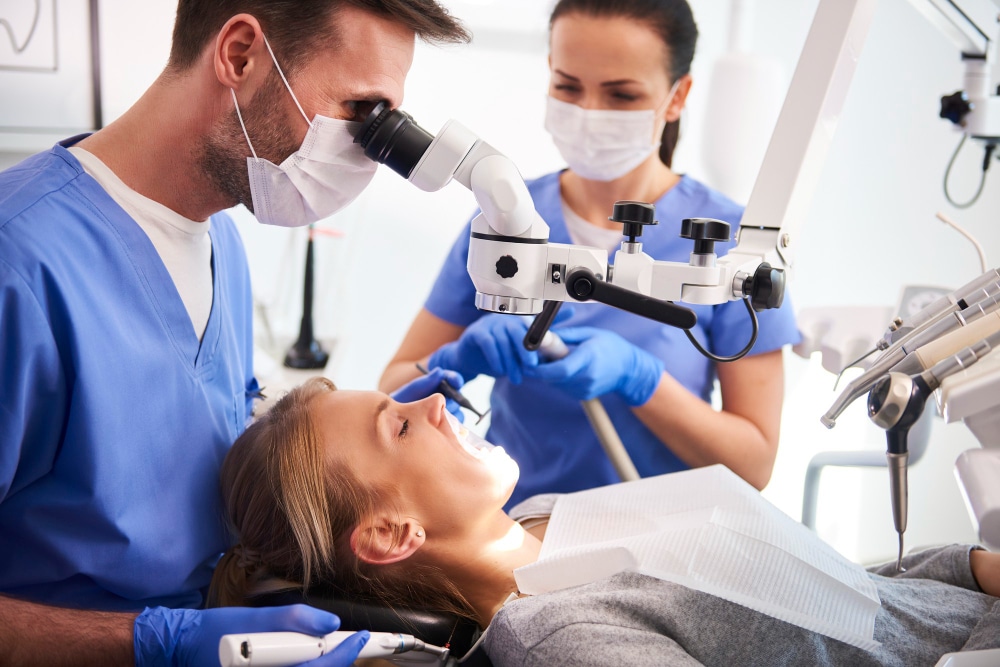
Modern dentistry has made dental visits more comfortable than many people expect. Better equipment, improved treatment methods, and patient-focused care have reduced pain, shortened recovery times, and lowered anxiety. Many clinics now provide General Dentistry Services using advanced tools that support accurate treatment with less discomfort. Patients can receive quality care with greater confidence and enjoy healthier smiles through procedures designed for comfort and convenience.
Digital Imaging Makes Diagnosis Easier
Digital imaging has replaced many traditional methods that once caused discomfort and took more time. High-quality digital X-rays produce clear images within seconds while exposing patients to less radiation than older systems. Dentists can identify cavities, bone loss, and other concerns with greater accuracy, allowing treatment plans to begin sooner. Patients also benefit from seeing detailed images during consultations, making it easier to understand their dental condition and feel involved in every step of the treatment process.
Laser Dentistry Reduces Discomfort
Laser technology has changed the way many dental procedures are performed. Instead of relying only on traditional tools, dentists can use precise lasers for treating gums, removing decay, and managing soft tissue concerns. Many procedures require less anesthesia and create minimal bleeding. Patients often experience reduced swelling and faster healing compared to conventional methods. Laser treatments also lower the chance of infection because the laser naturally cleans the treatment area during many procedures.
Better Sedation Options Help Nervous Patients
Dental anxiety affects many people, but improved sedation methods make appointments much easier. Dentists carefully evaluate each patient’s needs before recommending the most suitable option. Mild sedation helps patients remain relaxed while staying awake, while deeper sedation may be available for longer procedures. These methods allow patients to complete important treatments without unnecessary fear. Comfortable sedation techniques also encourage people to schedule regular checkups instead of delaying care because of anxiety.
Comfortable Treatment Starts With Proper Planning
Successful dental care begins with careful preparation. Dentists now use digital planning tools that help create accurate treatment strategies before any procedure starts. Detailed scans allow professionals to study tooth position, bite alignment, and surrounding tissues. This preparation reduces surprises during treatment and shortens appointment times. Patients also receive clear explanations about each step, helping them understand what to expect and feel more relaxed throughout the entire visit from consultation to recovery.
Faster Restorations Save Time
Modern restoration methods have reduced the number of appointments needed for many treatments. Computer-assisted design and manufacturing systems allow dentists to create crowns, bridges, and other restorations with excellent precision. Many patients can receive custom restorations much sooner than with traditional methods. Accurate fitting also reduces the need for repeated adjustments, making treatment more comfortable. Shorter treatment schedules mean less time away from work or family while still receiving dependable, long-lasting dental care.
Simple Steps Patients Can Take for Greater Comfort
Patient comfort depends on both modern dental care and personal preparation. Following a few simple steps can make every appointment easier and more successful.
- Schedule regular dental checkups to prevent major problems.
- Share any anxiety or medical concerns with your dentist.
- Follow all pre-treatment instructions carefully.
- Practice good oral hygiene between appointments.
- Eat recommended foods during recovery after treatment.
- Attend follow-up visits to monitor healing and results.
Improved Communication Builds Patient Confidence
Clear communication has become an important part of comfortable dental care. Dentists now spend more time explaining treatment choices, expected results, and recovery instructions using simple language. Digital images and educational tools allow patients to understand their oral health without confusion. Feeling informed helps reduce fear and increases trust throughout the treatment process. Strong communication also encourages patients to ask questions, discuss concerns openly, and participate in decisions that support their long-term oral health goals.
Conclusion
Advances in dentistry continue to make dental care safer, more comfortable, and more efficient for patients of all ages. Digital imaging, laser treatments, improved sedation, advanced planning, and faster restorations have reduced discomfort while improving treatment accuracy. Good communication and preventive care further support positive experiences during every visit. Choosing a dental practice that uses modern techniques allows patients to receive effective treatment with greater confidence, helping them maintain healthy smiles through comfortable and reliable care.