Ligament Issues Treatment in Dubai
Ligaments are strong bands of connective tissue that connect bones to one another and provide stability to joints throughout the body. They play a vital role in supporting movement while preventing excessive motion that could lead to injury. Whether you are an athlete, a fitness enthusiast, or someone who has suffered an accidental fall, ligament injuries can significantly affect your daily activities and quality of life. Seeking professional ligament issues treatment in Dubai can help you recover effectively while reducing the risk of long-term complications.
Dubai has become a leading destination for advanced orthopedic and sports medicine treatments. With experienced specialists, state-of-the-art diagnostic technology, and personalized rehabilitation programs, patients have access to comprehensive care that addresses both the injury and its underlying causes.
Understanding Ligament Injuries
Ligaments are designed to withstand significant stress, but excessive force can cause them to stretch or tear. These injuries commonly occur during sports, exercise, road accidents, or sudden twisting movements.
The most frequently affected ligaments include:
- Anterior Cruciate Ligament (ACL)
- Posterior Cruciate Ligament (PCL)
- Medial Collateral Ligament (MCL)
- Lateral Collateral Ligament (LCL)
- Ankle ligaments
- Wrist ligaments
- Shoulder ligaments
Depending on the severity of the injury, treatment options may vary from conservative therapies to surgical intervention.
Common Causes of Ligament Injuries
Several factors contribute to ligament damage, including:
Sports Activities
Sports involving sudden stops, rapid direction changes, jumping, or physical contact increase the likelihood of ligament injuries.
Falls
Slipping on wet surfaces or falling awkwardly can overstretch or tear ligaments.
Vehicle Accidents
The force generated during collisions often causes joint injuries affecting surrounding ligaments.
Poor Biomechanics
Incorrect movement patterns during exercise or daily activities may place unnecessary stress on ligaments over time.
Weak Muscles
Insufficient muscle strength around joints reduces stability and increases injury risk.
Previous Injuries
A previously damaged ligament is generally more vulnerable to future injuries if rehabilitation was incomplete.
Symptoms of Ligament Damage
Recognizing ligament injuries early allows timely treatment and improves recovery outcomes.
Common symptoms include:
- Sudden pain after injury
- Joint swelling
- Bruising
- Limited range of motion
- Joint instability
- Difficulty bearing weight
- Popping sensation during injury
- Tenderness around the affected area
If these symptoms persist, professional medical evaluation is recommended.
Types of Ligament Injuries
Ligament injuries are usually classified into three grades.
Grade 1
The ligament is mildly stretched with microscopic tears.
Symptoms include:
- Mild pain
- Slight swelling
- Minimal joint instability
Recovery is generally quick with conservative treatment.
Grade 2
Partial tearing of the ligament occurs.
Symptoms include:
- Moderate pain
- Noticeable swelling
- Reduced mobility
- Joint weakness
Physical therapy becomes an important part of recovery.
Grade 3
A complete ligament tear results in severe instability.
Symptoms include:
- Significant pain initially
- Severe swelling
- Inability to use the joint normally
- Joint instability
Surgery may be required depending on the patient’s activity level and affected ligament.
Diagnosing Ligament Problems
An accurate diagnosis is the first step toward successful treatment.
Doctors typically perform:
Physical Examination
Joint stability, swelling, flexibility, and pain levels are carefully assessed.
Medical History
Information regarding previous injuries and current symptoms helps identify possible causes.
MRI Scan
MRI provides detailed images of ligaments and surrounding soft tissues.
Ultrasound
Useful for evaluating certain ligament injuries dynamically.
X-rays
Although ligaments do not appear on X-rays, imaging helps rule out fractures or joint abnormalities.
Non-Surgical Ligament Issues Treatment in Dubai
Many ligament injuries heal successfully without surgery.
Rest and Activity Modification
Reducing stress on the injured ligament allows natural healing to begin.
Ice Therapy
Applying ice helps reduce swelling and inflammation during the initial stages.
Compression
Compression bandages provide support while minimizing swelling.
Elevation
Keeping the injured area elevated encourages fluid drainage and reduces inflammation.
Physical Therapy
Physical rehabilitation is one of the most important components of ligament recovery.
Therapy programs often include:
- Strengthening exercises
- Stretching
- Balance training
- Joint stabilization
- Functional movement exercises
- Sport-specific rehabilitation
Bracing
Supportive braces help protect healing ligaments while allowing controlled movement.
Pain Management
Anti-inflammatory medications may be prescribed when appropriate to improve comfort during recovery.
Advanced Regenerative Treatments
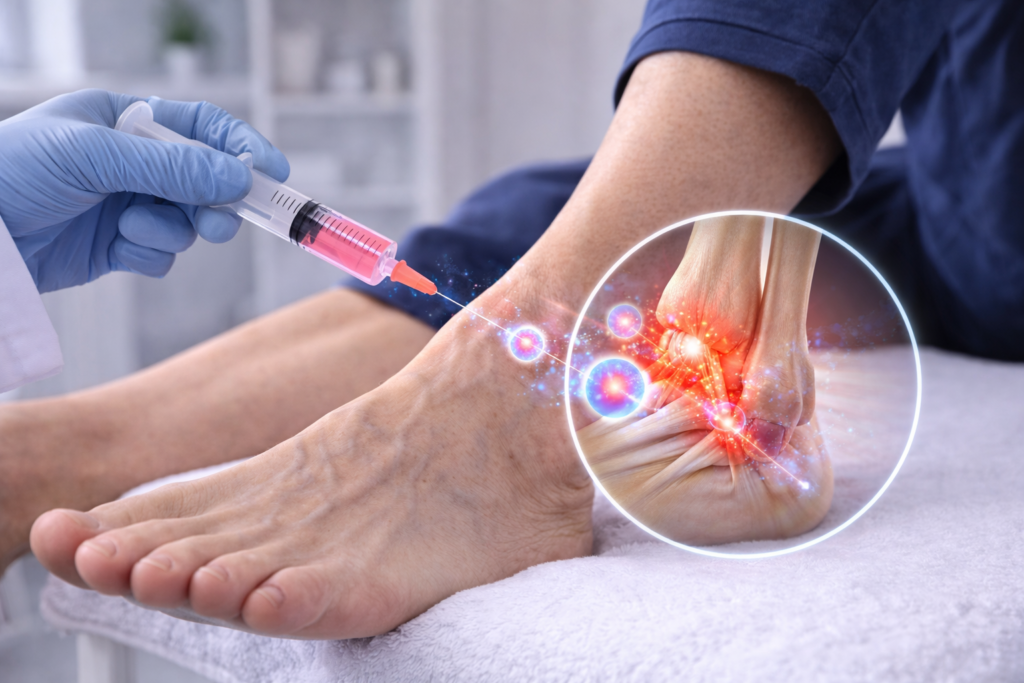
Modern orthopedic clinics increasingly offer regenerative therapies designed to promote natural tissue healing.
These may include:
- Platelet-Rich Plasma (PRP)
- Stem cell-based regenerative approaches (where appropriate)
- Ultrasound-guided injections
These treatments may support healing in selected patients, depending on the severity and location of the injury.
When Surgery Becomes Necessary
Not every ligament injury requires surgery.
However, surgical treatment may be recommended if:
- The ligament is completely torn.
- Conservative treatment has failed.
- Joint instability remains significant.
- The patient wishes to return to competitive sports.
- Multiple ligaments are injured simultaneously.
Modern minimally invasive arthroscopic procedures have improved surgical outcomes while reducing recovery times.
Recovery After Ligament Surgery
Successful recovery depends heavily on rehabilitation.
Recovery programs often include:
Early Mobility
Controlled movement helps prevent stiffness.
Muscle Strengthening
Exercises gradually rebuild muscle support around the joint.
Balance Training
Improves coordination and reduces future injury risk.
Functional Rehabilitation
Patients progressively return to walking, work, and sports activities.
Recovery timelines vary according to the injured ligament.
For example:
- Mild ankle ligament injuries: 2–6 weeks
- Moderate injuries: 6–12 weeks
- ACL reconstruction: 6–12 months
- Shoulder ligament injuries: Several months depending on severity
Benefits of Early Treatment
Seeking prompt ligament issues treatment offers numerous advantages.
These include:
- Faster recovery
- Reduced pain
- Lower risk of chronic instability
- Improved joint function
- Prevention of further injuries
- Better long-term mobility
- Increased confidence during physical activity
Ignoring ligament injuries may lead to ongoing pain and joint degeneration.
Preventing Future Ligament Injuries
Prevention is always better than treatment.
Helpful strategies include:
Warm Up Properly
Preparing muscles before exercise reduces ligament strain.
Strength Training
Strong muscles provide better joint support.
Improve Flexibility
Regular stretching enhances movement and decreases injury risk.
Wear Appropriate Footwear
Supportive shoes improve balance and joint alignment.
Practice Proper Technique
Correct movement patterns reduce excessive stress on ligaments.
Maintain Healthy Body Weight
Excess weight places additional pressure on joints.
Avoid Overtraining
Allow sufficient recovery between intense physical activities.
Why Choose Ligament Issues Treatment in Dubai?
Dubai has developed into a regional center for orthopedic excellence.
Patients benefit from:
- Highly trained orthopedic specialists
- Sports medicine experts
- Advanced MRI and diagnostic facilities
- Personalized rehabilitation programs
- Modern minimally invasive surgical techniques
- Comprehensive physiotherapy services
- Multidisciplinary treatment approaches
Whether treating professional athletes or individuals with everyday injuries, clinics in Dubai emphasize restoring mobility safely and effectively.
Choosing the Right Orthopedic Specialist
Selecting an experienced healthcare provider is essential for achieving the best outcome.
Consider the following factors:
- Experience treating ligament injuries
- Advanced diagnostic capabilities
- Access to physiotherapy services
- Personalized treatment planning
- Positive patient reviews
- Comprehensive follow-up care
An integrated approach often delivers the best long-term results.
Lifestyle Tips During Recovery
Patients recovering from ligament injuries should also focus on healthy lifestyle habits.
Recommendations include:
- Eat a balanced diet rich in protein.
- Stay hydrated.
- Follow rehabilitation instructions carefully.
- Avoid returning to sports too early.
- Attend all follow-up appointments.
- Get adequate sleep to support tissue healing.
- Maintain a positive mindset throughout recovery.
Consistency is one of the biggest factors influencing successful rehabilitation.
Conclusion
Ligament injuries can affect people of all ages, from athletes to individuals with active lifestyles. Without appropriate care, these injuries may result in chronic pain, joint instability, and reduced mobility. Fortunately, professional ligament issues treatment in Dubai combines accurate diagnosis, personalized rehabilitation, advanced regenerative therapies, and modern surgical techniques to help patients recover safely and regain confidence in their movements.
Whether your injury is mild or severe, early evaluation by an orthopedic specialist significantly improves the chances of a full recovery. By following a tailored treatment plan, participating in physical therapy, and adopting preventive strategies, you can restore joint stability, return to your normal activities, and minimize the risk of future ligament injuries.