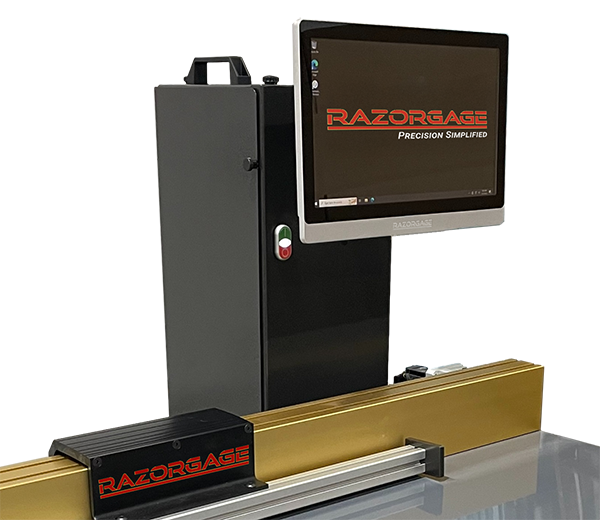
Material waste is one of the most pressing challenges facing modern manufacturing industries today. Every year, billions of dollars worth of raw materials are lost due to inefficient cutting, poor planning, and outdated machinery. Companies that invest in smarter production strategies and precision-based technologies like Razoroptimal are already seeing dramatic reductions in waste levels, sometimes cutting losses by as much as thirty percent without compromising product quality or output speed.
Understanding Where Material Waste Actually Comes From
When it comes to figuring out how to reduce wastes, the first step should be understanding where it comes from in the first place. For many industrial facilities, the culprit is improper cutting, excessive offcuts, human error, and a range of other issues related to equipment performance. When the raw materials are not utilized to the maximum extent possible, the financial losses add up with every cycle of the production line. Recognizing the weak points is the key to improving the overall situation.
Why Precision Cutting is the Key to Significant Reduction in Material Waste
Cutting is the most crucial stage in any production process that involves a shear machine or another type of tool capable of slicing materials into the desired pattern. If the cutting instruments are properly adjusted, the room for errors will decrease significantly, which will, in turn, affect the amount of waste positively. It is not uncommon that manufacturers report hundreds of thousands of dollars in losses after each year of fabrication due to improper cutting alone. Therefore, it stands to reason that this particular stage needs to be optimized using the latest equipment and highest industrial standards.
Why Advanced Software Planning Results in Less Material Waste
It is a common misconception that computer software is not involved in manufacturing. In truth, the latest digital technologies play a major role in almost every stage of the production process. For instance, special nesting software can calculate the most optimal way of shearing a particular material sheet so that the amount of offcuts is minimized. If the planning and execution of the cutting stage are improved, the level of waste will decrease significantly.
Why Operator Knowledge and Training Are Important Factors in Material Waste Reduction
If a manufacturer wants to ensure that the new equipment is actually utilized to its maximum potential, it should invest in operator training programs. In many industrial facilities, the workers are not aware of the negative consequences that their errors can have on the bottom line. Moreover, their performance can be improved so that the level of waste is lower than before. If the workers are highly productive and properly trained, the company can enjoy sustainable reductions in waste on a continuous basis.
Lean Manufacturing and How it Helps Minimize Material Waste
In general, the lean production system is a set of guiding principles that help organizations eliminate all activities and processes that do not add value to the final product. When lean thinking is applied to a manufacturing facility, it can have a profound impact on the level of waste and the efficiency of the production process. In many cases, lean principles help restructure the existing business processes to make them more efficient and productive. Not only does this approach affect the amount of material waste, but it also rethinks the way different departments interact with one another.
Material Selection and its Influence on Material Waste
When it comes to material waste, the characteristics of the material itself can be a major factor. In some cases, the thickness or other properties of the material can be inconsistent, which means that the shear machine has to make multiple passes before a satisfactory result is achieved. It is always advisable to work with trusted suppliers because they provide more quality assurance than other companies. These factors are extremely important because they ensure that the amount of material waste is minimized.
Why Real-Time Monitoring of the Production Process is Necessary
The advanced industrial sensors and monitoring systems allow plants to stay on top of their production processes. In other words, if the production data is collected and analyzed in real-time, it will be much easier to spot trends and patterns that suggest that waste is increasing. If the problem is detected early, it can be resolved before it affects the entire production line in a detrimental way.
Recycling and Reusing Offcuts That Cannot Be Used Again
It is a well-known fact that there are different ways to reduce the amount of waste in any manufacturing facility. The most effective methods include reusing and recycling the materials whenever and wherever possible. Some companies even report that they are able to utilize almost every spare part, which allows them to redirect significant sums of money to other purposes. Not only does this practice reduce the amount of waste that is simply discarded, but it can also be extremely profitable for the facility since the materials can be resold or repurposed.
Conclusion
Reducing material waste in manufacturing is not a single action but a continuous commitment to smarter systems, better training, and more intelligent technology. From precision cutting tools to data-driven decision making, every improvement contributes to a leaner and more profitable production environment. Integrating solutions like an automatic pusher system into your workflow ensures that materials are moved, positioned, and processed with maximum accuracy, leaving less room for error and less material left behind on the cutting floor.
Frequently Asked Questions
How much can manufacturers realistically save by reducing material waste?
Depending on the industry and current waste levels, manufacturers can save anywhere from ten to thirty percent of their raw material costs by implementing smarter cutting, planning, and monitoring systems.
Is reducing material waste expensive to implement?
The initial investment in better machinery or software may seem significant, but the long-term savings in material costs almost always outweigh the upfront expenses within a relatively short period.
Can small manufacturers benefit from waste reduction strategies?
Absolutely. Waste reduction principles apply to facilities of all sizes. Even small improvements in cutting accuracy or material planning can deliver meaningful savings for smaller operations.
What is the fastest way to start reducing waste on a production floor?
Conducting a thorough waste audit is usually the fastest starting point. Identifying where the most significant losses occur allows manufacturers to prioritize the changes that will deliver the greatest impact in the shortest time.
Does reducing waste also improve product quality?
In most cases, yes. The same precision and attention to detail that reduces waste also tends to improve consistency and quality across all finished products coming off the production line.