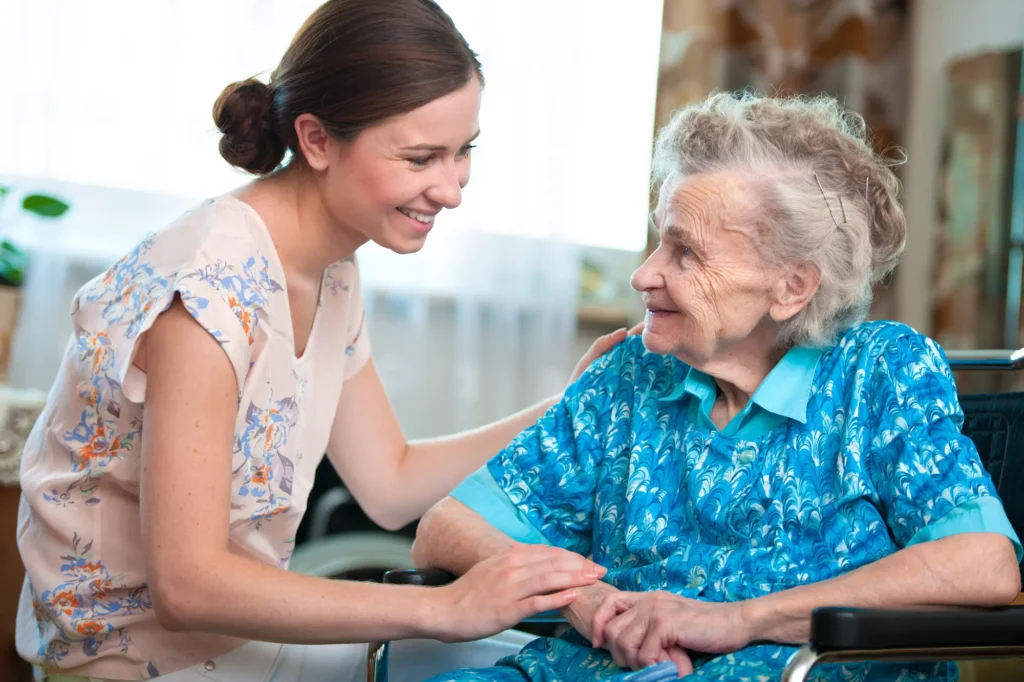
A familiar home gives older adults comfort, confidence, and peace of mind. Many families look for ways to help loved ones remain in their own homes without sacrificing safety or daily support. Choosing Senior at Home Care in Warren, OH allows seniors to receive personalized assistance while continuing their normal routines. This balance helps maintain dignity, encourages self-confidence, and reduces the stress that often comes with major lifestyle changes.
Why Independence Matters for Older Adults
Living independently gives seniors a sense of purpose and control over everyday decisions. Remaining in a familiar environment also supports emotional well-being because cherished memories and routines remain part of daily life. Home care makes this possible by providing assistance only where it is needed instead of taking over every task. Caregivers encourage seniors to stay active, make choices, and continue participating in hobbies, family activities, and community events that bring joy and fulfillment.
Daily Support Without Taking Away Freedom
Professional caregivers understand that every senior has different needs. Some individuals need help with meal preparation, housekeeping, or transportation, while others require reminders for medication or assistance with bathing. Personalized care plans focus on providing the right level of support without limiting independence. Seniors continue managing the activities they can perform safely while receiving help with more difficult tasks, creating a healthy balance between assistance and self-reliance.
Creating a Safe Home Environment
Home safety plays a major role in helping seniors remain independent. Small changes throughout the house can lower the risk of falls and make daily activities easier. Caregivers often identify hazards and recommend practical improvements that support safe movement. Simple adjustments such as better lighting, removing loose rugs, organizing frequently used items, and installing grab bars allow seniors to move confidently throughout their homes while reducing unnecessary risks.
Building Healthy Daily Routines
Consistent routines help older adults stay organized and maintain physical and emotional well-being. Caregivers assist with planning meals, scheduling medications, encouraging exercise, and supporting regular sleep habits. Structured routines reduce confusion and create a predictable schedule that promotes confidence. Daily encouragement also motivates seniors to remain active through light household tasks, hobbies, reading, or social activities, helping them maintain both physical ability and mental sharpness over time.
Supporting Emotional and Social Well-Being
Emotional health is just as important as physical health for maintaining independence. Loneliness can reduce motivation and affect overall wellness. Friendly caregivers provide companionship through conversation, shared activities, games, and walks, helping seniors stay socially connected. Regular visits from caregivers also give families peace of mind, knowing their loved ones have someone to talk with and depend on. Positive relationships encourage confidence, reduce isolation, and support a happier lifestyle.
Steps Families Can Take to Support Independence
Families can help loved ones remain independent by following practical steps that encourage safety and confidence.
- Assess daily needs and identify areas where assistance is beneficial.
- Create a personalized care plan that respects personal preferences.
- Make simple home safety improvements to reduce fall risks.
- Encourage regular physical activity suited to individual abilities.
- Support healthy meals and proper hydration every day.
- Maintain open communication between family members and caregivers.
- Review care needs regularly as health and routines change over time.
Choosing the Right Home Care Provider
Selecting the right home care provider requires careful planning and open communication. Families should look for experienced caregivers who understand the unique needs of older adults and provide compassionate support. Asking about caregiver training, background checks, scheduling flexibility, and personalized care planning helps families make informed decisions. Strong communication between caregivers, seniors, and relatives builds trust and ensures services continue meeting changing needs while supporting long-term independence and comfort at home.
Conclusion
Home care allows older adults to continue living in familiar surroundings while receiving the support needed for everyday life. Personalized assistance promotes safety, confidence, emotional well-being, and active participation in daily routines without reducing personal independence. Families also benefit from knowing loved ones have dependable care tailored to their individual needs. Choosing quality home care creates a supportive environment where seniors can enjoy greater comfort, dignity, and independence for many years.