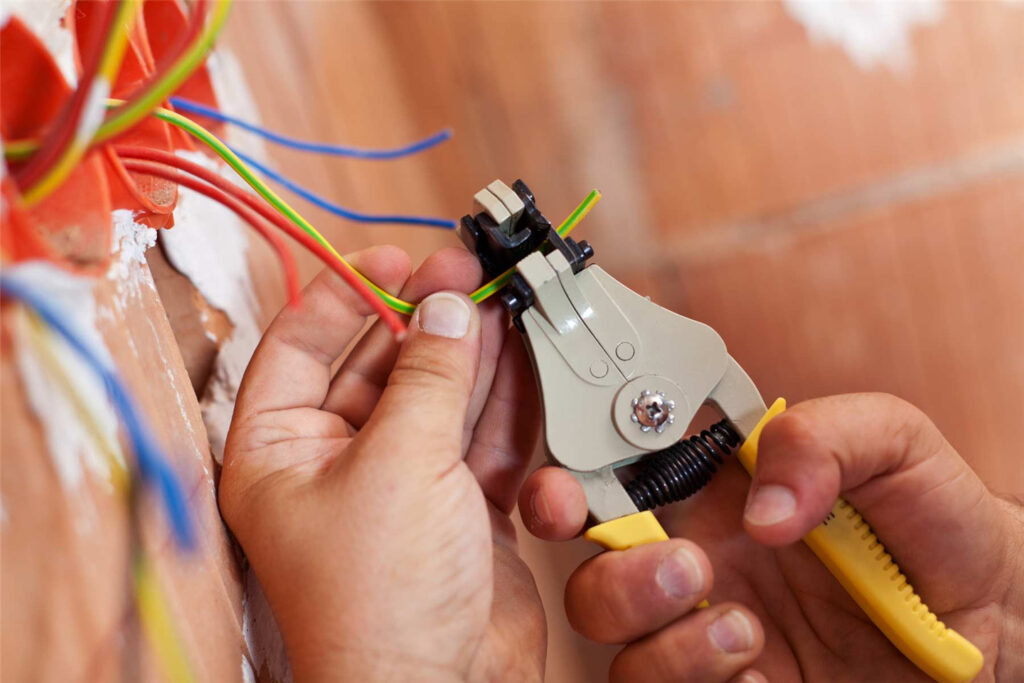
Homeowners often focus on visible maintenance tasks, but electrical wiring deserves equal attention because it affects both safety and daily comfort. Regular inspections help identify hidden issues before they become expensive or dangerous problems. Many homeowners searching for Electrical repairs palm coast fl also want to understand how frequently wiring should be checked and what signs indicate the need for professional attention. Knowing the right inspection schedule helps protect your home and family.
Why Regular Electrical Wiring Inspections Matter
Electrical wiring naturally ages over time due to regular use, environmental conditions, and changes made during home renovations. Small wiring problems may remain hidden behind walls for years before becoming noticeable. Routine inspections allow electricians to identify worn insulation, loose connections, overloaded circuits, and outdated components before they create safety risks. Regular evaluations also improve electrical performance, reduce the chance of unexpected outages, and help ensure your home’s electrical system continues operating efficiently throughout its lifespan.
Recommended Inspection Frequency For Every Home
Most residential properties benefit from a professional electrical inspection every three to five years, depending on the home’s age and electrical usage. Older homes usually require more frequent evaluations because wiring materials may have deteriorated over time. Properties with major renovations, newly installed appliances, or increased electrical demand should also be inspected sooner. Routine scheduling helps detect developing issues early and gives homeowners confidence that their electrical system remains capable of handling everyday household requirements safely.
Warning Signs That Should Never Be Ignored
Electrical problems rarely appear without warning. Small changes in system performance often indicate larger issues developing behind walls or inside electrical panels. Frequent breaker trips, flickering lights, warm outlets, buzzing sounds, burning odors, or sparking switches all deserve immediate professional evaluation. Ignoring these warning signs increases the possibility of electrical fires, damaged appliances, and costly repairs. Paying attention to unusual electrical behavior allows homeowners to address concerns before they grow into significant safety hazards.
Factors That Affect Inspection Frequency
Several conditions determine how often a home’s wiring should be inspected beyond the standard recommendation. Older properties generally need closer monitoring because original wiring materials may no longer meet modern safety standards. Homes with large heating systems, electric vehicle chargers, workshops, or high-powered kitchen appliances place greater demand on electrical circuits. Areas with frequent storms, flooding, or high humidity may also experience faster deterioration of wiring components, making regular inspections even more valuable for long-term protection.
What Happens During A Professional Wiring Inspection
A qualified electrician follows a detailed process to evaluate the condition of the electrical system. The inspection usually includes checking the service panel, circuit breakers, outlets, switches, grounding, wiring connections, and visible cables. Voltage testing and load assessments may also be completed to identify overloaded circuits. Safety devices such as smoke detectors and ground fault protection can also be reviewed. Detailed findings help homeowners understand current conditions and prioritize any recommended repairs or upgrades without unnecessary work.
Simple Steps Homeowners Can Take Between Inspections
Regular professional inspections are important, but homeowners can also monitor their electrical system throughout the year by following these simple practices:
- Watch for flickering lights or repeated breaker trips.
- Test GFCI outlets every month.
- Avoid overloading extension cords and power strips.
- Replace damaged outlet covers immediately.
- Keep electrical panels accessible and free from storage items.
- Schedule an inspection after major renovations or storm damage.
- Report unusual burning smells or buzzing sounds without delay.
Benefits Of Staying Proactive With Electrical Maintenance
Preventive electrical maintenance offers advantages that extend far beyond reducing repair costs. Well-maintained wiring improves overall household safety, reduces the chance of electrical fires, supports reliable appliance performance, and helps electrical systems operate more efficiently. Buyers also appreciate documented inspection records during home sales because they provide reassurance about the property’s condition. Regular maintenance reduces unexpected emergencies and allows homeowners to budget for repairs gradually instead of facing expensive emergency replacements caused by neglected electrical issues.
Conclusion
Routine electrical wiring inspections are one of the simplest ways to maintain a safe and dependable home. Scheduling professional evaluations every few years, paying attention to warning signs, and performing basic visual checks between inspections can prevent many serious electrical problems. Electrical systems work quietly behind the scenes every day, making regular maintenance easy to overlook. A proactive inspection schedule protects your investment, supports reliable performance, and provides greater peace of mind for everyone living in the home.