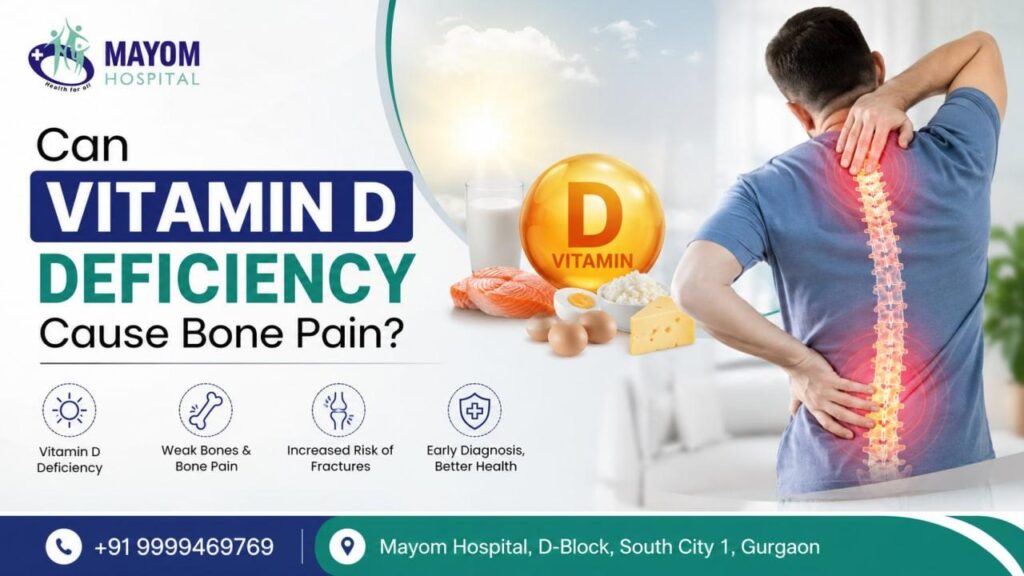
Bone pain is often dismissed as a normal part of aging, long working hours, or physical exertion. However, persistent bone pain can sometimes indicate an underlying nutritional deficiency—especially a lack of vitamin D. Since vitamin D plays a crucial role in calcium absorption and bone metabolism, low levels can weaken bones, increase the risk of fractures, and lead to chronic pain if left untreated.
If you experience ongoing bone pain, muscle weakness, or frequent fractures, consulting the Best Orthopaedic Hospital in Gurgaon can help identify the root cause and prevent long-term complications. This article explains how vitamin D deficiency affects your bones, the warning signs to watch for, who is at risk, diagnosis, treatment options, and when to seek expert care.
Why Is Vitamin D Important for Bone Health?
Vitamin D is a fat-soluble vitamin that helps the body absorb calcium and phosphorus—two minerals essential for maintaining strong bones and teeth. Without enough vitamin D, your body cannot absorb calcium efficiently, even if your diet contains enough of it.
This may lead to:
- Reduced bone mineral density
- Soft and weak bones
- Increased fracture risk
- Delayed healing after injuries
- Chronic bone and joint pain
Vitamin D also supports muscle strength, balance, and immune function, making it essential for overall musculoskeletal health.
Can Vitamin D Deficiency Really Cause Bone Pain?
Yes. Vitamin D deficiency is one of the common medical causes of persistent bone pain.
When vitamin D levels remain low for months or years, bones lose minerals and become weaker. This condition is known as osteomalacia in adults. Unlike joint pain caused by arthritis, bone pain from vitamin D deficiency is usually deep, dull, and widespread.
Many people mistakenly believe they have arthritis or muscle fatigue when the actual problem is a vitamin D deficiency.
If your symptoms continue despite rest or pain medications, visiting the Best Orthopaedic Hospital in Gurgaon for a detailed evaluation is a smart decision.
Also Read Best Hospital in Gurgaon
Common Symptoms of Vitamin D Deficiency
Vitamin D deficiency doesn’t always cause obvious symptoms initially. However, as the deficiency worsens, you may notice:
- Persistent bone pain
- Lower back pain
- Pain in hips, ribs, or legs
- Muscle weakness
- Difficulty climbing stairs
- Frequent muscle cramps
- Fatigue
- Walking difficulties
- Frequent falls in older adults
- Stress fractures
These symptoms often develop gradually, making them easy to ignore.
Which Bones Are Most Commonly Affected?
Bone pain caused by vitamin D deficiency commonly affects:
- Spine
- Pelvis
- Hip bones
- Ribs
- Legs
- Shin bones
- Feet
Pain usually worsens while standing for long periods or during physical activity.
Who Is at Higher Risk of Vitamin D Deficiency?
Certain individuals are more likely to develop vitamin D deficiency.
Risk factors include:
- Adults above 50 years
- Limited sunlight exposure
- Office workers
- Individuals with darker skin tones
- People with obesity
- Pregnant women
- Breastfeeding mothers
- People with kidney or liver disease
- Patients with digestive disorders affecting nutrient absorption
- Strict vegetarians with inadequate supplementation
Even healthy young adults can develop deficiency due to indoor lifestyles and excessive screen time.
How Is Vitamin D Deficiency Diagnosed?
Diagnosing vitamin D deficiency requires more than simply evaluating symptoms.
An orthopaedic specialist may recommend:
- Physical examination
- Medical history review
- Blood test for 25-hydroxy vitamin D levels
- Calcium and phosphorus tests
- Bone density scan (when osteoporosis is suspected)
- X-rays if fractures or weakened bones are suspected
An experienced Bone Specialist in Gurgaon can also rule out other conditions such as osteoporosis, arthritis, inflammatory disorders, or bone infections that may cause similar symptoms.
Can Vitamin D Deficiency Increase Fracture Risk?
Absolutely.
Vitamin D deficiency reduces bone strength over time, making even minor injuries more likely to cause fractures.
People with prolonged deficiency may experience:
- Hip fractures
- Wrist fractures
- Vertebral compression fractures
- Stress fractures in athletes
- Slow fracture healing
Patients requiring Bone Fracture Treatment in Gurgaon are often evaluated for nutritional deficiencies because correcting vitamin D levels can improve recovery outcomes.
Treatment for Vitamin D Deficiency
Treatment depends on your vitamin D level, age, overall health, and the severity of symptoms.
Doctors may recommend:
Vitamin D Supplements
Prescription or over-the-counter vitamin D supplements are commonly used to restore healthy levels.
Calcium Supplementation
Calcium is often prescribed alongside vitamin D for optimal bone mineralization.
Dietary Changes
Foods naturally rich in vitamin D include:
- Fatty fish
- Egg yolks
- Fortified milk
- Fortified cereals
- Mushrooms
- Cheese
Safe Sunlight Exposure
Morning sunlight exposure for approximately 15–30 minutes several days a week can help your body naturally produce vitamin D.
Weight-Bearing Exercise
Walking, resistance training, and balance exercises strengthen bones and reduce fracture risk.
A personalized treatment plan developed by the Best Orthopaedic Hospital in Gurgaon ensures that the underlying cause of bone pain is addressed rather than simply masking symptoms with painkillers.
When Should You See an Orthopaedic Specialist?
Consult an orthopaedic expert if you experience:
- Bone pain lasting more than three weeks
- Pain without any injury
- Frequent fractures
- Difficulty walking
- Bone tenderness
- Persistent lower back pain
- Muscle weakness affecting daily activities
- Repeated falls
- Slow recovery after fractures
Ignoring these symptoms may lead to worsening bone health and a higher risk of disability.
Can Vitamin D Deficiency Be Prevented?
Yes. Most cases are preventable through healthy lifestyle habits.
Prevention tips include:
- Get regular morning sunlight exposure.
- Eat a balanced diet rich in calcium and vitamin D.
- Exercise regularly.
- Maintain a healthy body weight.
- Avoid smoking.
- Limit excessive alcohol intake.
- Get vitamin D levels checked if you’re at risk.
- Follow medical advice regarding supplementation.
Preventive care is often more effective and affordable than treating advanced bone disease.
Why Early Diagnosis Matters
Many patients spend months treating pain without identifying its real cause. Early diagnosis allows doctors to correct vitamin D deficiency before it causes permanent bone damage or fractures.
A qualified Bone Specialist in Gurgaon can identify whether your symptoms are due to nutritional deficiency, arthritis, osteoporosis, injury, or another musculoskeletal condition.
Prompt treatment also improves mobility, reduces pain, and lowers the risk of future complications.
How Mayom Hospital Supports Bone Health
Managing bone pain requires identifying its underlying cause rather than simply controlling symptoms. At Mayom Hospital, orthopaedic specialists evaluate patients using clinical examination, imaging, and laboratory investigations to provide evidence-based treatment plans tailored to individual needs.
Whether someone is experiencing chronic bone pain, sports injuries, osteoporosis-related concerns, or requires Bone Fracture Treatment in Gurgaon, the focus remains on accurate diagnosis, rehabilitation, and long-term bone health. The multidisciplinary approach at Mayom Hospital helps patients receive comprehensive orthopaedic care while emphasizing prevention, recovery, and improved quality of life.
Conclusion
Vitamin D deficiency is one of the most overlooked causes of persistent bone pain, muscle weakness, and increased fracture risk. While symptoms may develop slowly, ignoring them can lead to weakened bones and long-term mobility problems.
If your bone pain continues despite rest or keeps returning, it is important to seek medical evaluation instead of relying solely on painkillers. An early assessment at the Best Orthopaedic Hospital in Gurgaon can help identify the exact cause and ensure timely treatment.
By maintaining healthy vitamin D levels, following a balanced diet, staying physically active, and consulting experienced specialists when needed, you can protect your bones and maintain an active, pain-free lifestyle. With expert orthopaedic care available at Mayom Hospital, patients can receive personalized guidance for diagnosis, treatment, and long-term bone health management.
Frequently Asked Questions (FAQs)
1. Can vitamin D deficiency cause bone pain without any injury?
Yes. Vitamin D deficiency can weaken bones and lead to dull, persistent bone pain even without trauma or physical injury.
2. Which vitamin deficiency causes bone pain the most?
Vitamin D deficiency is among the leading nutritional causes of bone pain because it affects calcium absorption and bone strength.
3. When should I visit the Best Orthopaedic Hospital in Gurgaon for bone pain?
If bone pain lasts longer than two to three weeks, keeps returning, or affects walking and daily activities, consult an orthopaedic specialist.
4. Can low vitamin D increase fracture risk?
Yes. Long-term deficiency weakens bones and significantly increases the chances of fractures.
5. Which doctor should I consult for vitamin D-related bone pain?
A qualified Bone Specialist in Gurgaon can diagnose the cause of bone pain and recommend appropriate investigations and treatment.
6. Can vitamin D deficiency delay fracture healing?
Yes. Low vitamin D levels may slow bone repair, making proper evaluation important during Bone Fracture Treatment in Gurgaon.
7. How long does it take to recover after starting vitamin D treatment?
Many patients notice improvement within several weeks, but complete recovery depends on the severity of the deficiency and following the prescribed treatment plan.
8. Does sunlight alone provide enough vitamin D?
Sunlight helps, but some individuals still require dietary changes or supplements due to age, lifestyle, or medical conditions.
9. Does Mayom Hospital treat patients with vitamin D-related bone disorders?
Yes. Mayom Hospital provides comprehensive orthopaedic evaluation, diagnosis, and treatment for bone pain, fractures, and other musculoskeletal conditions.
10. Can young adults develop vitamin D deficiency?
Yes. Indoor lifestyles, limited sunlight exposure, poor diet, and sedentary habits have made vitamin D deficiency increasingly common among younger adults as well.
For More Information Click Here:- https://mayomhospital.com/