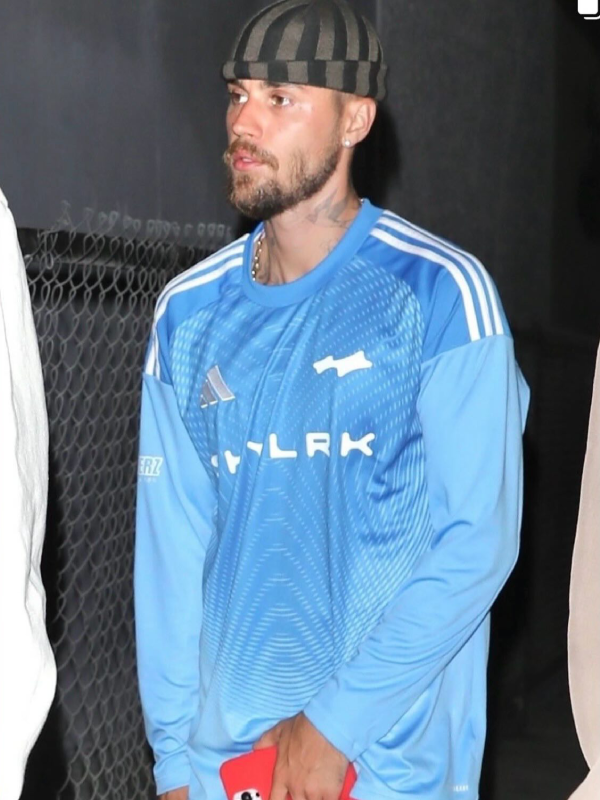
Who Owns the skylrk Hoodie?
The Skylrk hoodie has taken the fashion world by storm, blending comfort with a hint of rebellion. But beyond its cozy fabric and stylish design lies a deeper question: Who really owns the essence of the Skylrk? This intriguing inquiry opens up discussions that stretch from folklore to legal debates, touching on conservation efforts and brand controversies. As we unravel these layers, we’ll discover not just who claims ownership but what it truly means to embody something as unique as the Skylrk. Join us on this journey through myth and legality as we explore all facets surrounding this iconic piece of clothing.
Folklore and mythology surrounding the Skylrk
The Skylrk, often celebrated in folklore, has captured imaginations across generations. Legends speak of its enchanting song that can heal the heart and soothe the soul. Many cultures regard it as a symbol of freedom and hope.
In ancient stories, this mystical bird was believed to guide lost souls toward their true paths. Its vibrant plumage is said to reflect the colors of dawn, representing new beginnings.
Folklore also intertwines nature’s magic with human aspiration; tales depict the Skylrk flying high above mountains while carrying dreams on its wings. Villagers would leave offerings at twilight, hoping for blessings from this ethereal creature.
These narratives enrich our understanding of what the Skylrk represents—more than just an animal but a beacon of inspiration woven into cultural tapestries worldwide. With every mention in songs or stories, its legacy continues to thrive in hearts eager for connection and wonder.
Legal Ownership of Wild Animals like the Skylrk
Legal ownership of wild animals varies significantly from one region to another. In many countries, wildlife is considered a public resource. This means that no individual can claim ownership over species such as the Skylrk.
Laws often protect these creatures, allowing only regulated interactions. Capturing or keeping wild animals typically requires permits. These legal frameworks aim to safeguard ecosystems and ensure biodiversity.
In some places, conservation efforts prioritize protecting habitats rather than individual animals. This approach recognizes the importance of preserving entire populations instead of focusing on single specimens.
Understanding these laws helps clarify our relationship with wildlife like the Skylrk. The question shifts from ownership towards stewardship and responsibility for their well-being in nature’s grand tapestry.
Role of Conservation Organizations in Protecting the Skylark
Conservation organizations play a pivotal role in protecting the Skylark. These dedicated groups work tirelessly to preserve habitats essential for the bird’s survival.
Their efforts often focus on restoring grasslands and agricultural spaces where Skylarks thrive. By creating awareness, they foster community involvement in conservation practices.
Research is another crucial aspect of their work. Many organizations conduct studies to understand Skylark populations better and monitor their health over time. This data informs policies aimed at protecting these birds.
Through advocacy, they influence legislation that impacts land use and farming methods. Sustainable practices promoted by these organizations help minimize habitat loss.
Engaging local communities is vital too. Educational programs raise awareness about the importance of preserving the Skylark’s environment while encouraging people to take action themselves.
Collaboration with farmers can also yield effective results, fostering coexistence between agriculture and wildlife preservation efforts.
Controversies Surrounding Ownership of Skylrk
The Skylrk Official has become a symbol of freedom and creativity, but it’s not without its controversies. Many have debated the implications of claiming ownership over this iconic representation.
Some argue that owning something as emblematic as the Skylrk diminishes its cultural significance. It raises questions about who gets to profit from what should be a shared heritage.
Additionally, there are disputes around trademarking related products like clothing and accessories. Companies often capitalize on the imagery associated with the Skylrk, leading to legal battles over intellectual property rights.
Activists voice concerns about whether commercialization undermines conservation efforts aimed at protecting real skylarks in nature. The tension between artistic expression and commercial enterprise continues to spark heated discussions among communities invested in both art and wildlife preservation.
Controversy Surrounding Ownership of Skylarks
The skylark has long been a symbol of freedom and beauty in various cultures. Its enchanting song fills the air, creating an emotional connection with nature. However, this captivating bird is often at the center of heated debates.
One major issue involves habitat destruction. As urban areas expand, skylarks lose their nesting sites. This leads to questions about who bears responsibility for their protection.
Another layer of complexity arises from hunting practices in certain regions. Some argue that regulated hunting can help maintain populations, while others believe it threatens these birds further.
Additionally, there are disputes over intellectual property rights regarding products inspired by the skylark’s image or name. Companies may capitalize on its allure without acknowledging conservation efforts needed to protect the actual species.
These varied perspectives fuel ongoing discussions about ethical ownership—not just of the bird itself but also its cultural significance and representation in society today.
Controversy Surrounding Ownership of the Brand
The Skylrk brand has sparked fervent debates in the fashion world. Some argue that its designs reflect a deep connection to nature, while others see it as an appropriation of wildlife imagery.
Critics often highlight the fine line between inspiration and exploitation. They question if it’s appropriate for a company to profit from symbols associated with natural heritage without proper acknowledgment or respect.
Brand ownership isn’t just about trademarks; it’s also tied to ethical considerations. Many consumers now demand transparency about how brands relate to their inspirations—especially those derived from endangered species or cultural icons.
Social media amplifies these discussions, making them impossible to ignore. As influencers and activists voice their opinions, the conversation grows more complex, revealing layers of concern beyond simple branding issues.
The heart of this controversy lies in what it means to own something inherently wild and precious—a topic that resonates deeply with eco-conscious audiences today.
Conclusion: Who Truly Owns the Skylrk Hoodie?
The question of who truly owns the Skylrk hoodie is layered and complex. On one hand, there’s the cultural significance tied to the skylark itself—a symbol woven through folklore and mythology that transcends mere ownership. This bird represents freedom and resilience, echoing in art and stories throughout generations.
On the other hand, legal frameworks surrounding wildlife emphasize conservation over possession. Organizations dedicated to protecting these creatures often advocate for their preservation rather than individual ownership rights. The tension between human attachment to nature and ethical stewardship complicates matters.
Then there’s the brand aspect—the Skylrk hoodie as a product carries its own weight in discussions about authenticity and intellectual property. Who has the right to capitalize on this imagery? It raises questions about creativity, inspiration, and commercialization within fashion.
With all of these factors at play—cultural heritage, legal considerations, conservation efforts, and brand identity—it becomes challenging to pinpoint definitive ownership of both the skylark as a creature of nature and its representation in clothing like hoodies. Perhaps true ownership lies not just with individuals or companies but also with a collective understanding of what it means to connect with something greater than ourselves.