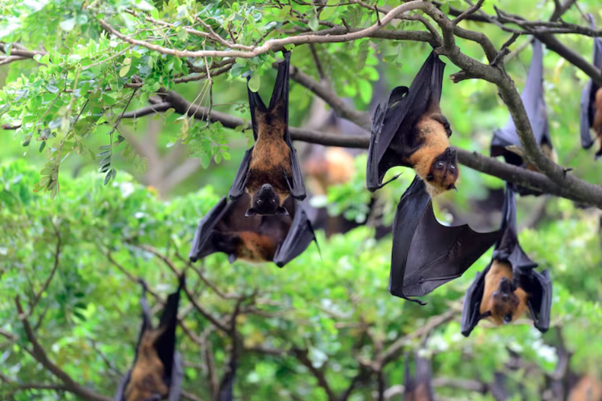
Many homeowners think bats are only a concern if they see one flying indoors. The real problem often begins long before that point. Small gaps along rooflines, vents, soffits, and attic openings can provide easy access to a structure. Once a colony settles inside, damage can build over time without obvious warning signs. Because bats are most active during quiet hours, many property owners may not realize there is an issue until signs become more noticeable.
This is why many property owners invest in professional bat exclusion services in Ann Arbor. Exclusion focuses on preventing entry, removing existing colonies through approved methods, and protecting a property from future activity. More importantly, it helps homeowners avoid repair expenses that can grow quickly if the issue is ignored. A well-planned exclusion process protects the home while reducing the chances of future wildlife concerns.
Your Attic May Be Losing Value Without You Knowing It
Attics are one of the most common locations for bat activity. These areas provide shelter, warmth, and limited disturbance. Since attics are not visited often, colonies can remain unnoticed for extended periods.
Over time, waste accumulation can affect insulation performance. Insulation that becomes contaminated may lose effectiveness, making temperature control more difficult throughout the home. This can lead to higher energy use and reduced comfort levels. In some situations, damaged insulation may need replacement, which can increase repair costs.
Professional exclusion services help identify affected areas before larger restoration costs become necessary. Early action can help preserve attic conditions and reduce the chance of more extensive repairs later.
Tiny Openings Can Lead to Major Repairs
Many homeowners are surprised by how little space bats need to enter a structure. Even a small opening near a roof edge can become an access point.
A gap near a roofline, chimney, vent, or utility opening may appear harmless. Yet it can become an active entry point for an entire colony. Once access is established, repeated use of the same opening can increase wear around vulnerable building materials. Small issues can become larger structural concerns if they are left unaddressed.
Exclusion specialists inspect exterior surfaces carefully and identify areas that require sealing. Addressing these weak points helps prevent future repair expenses and protects important sections of the home from further deterioration.
Hidden Waste Creates Problems Beyond the Attic
Bat waste does not remain confined to one location. Over time, it can affect nearby areas and create conditions that require professional cleanup.
As accumulation increases, odors can spread through wall cavities and ventilation pathways. Staining may appear on ceilings, siding, or exterior surfaces. Moisture linked to waste buildup can also affect nearby materials and create conditions that weaken certain parts of the structure.
Property owners often focus on bat removal alone. However, preventing future entry is equally important for protecting interior conditions and avoiding recurring cleanup costs. A complete exclusion strategy helps reduce both current and future concerns.
Roof Components Face More Stress Than Many Expect
Roof systems contain multiple access points. Ridge vents, flashing gaps, loose trim, and damaged screens can all create opportunities for wildlife activity. These areas are often overlooked during routine home maintenance.
Repeated movement around these locations may contribute to deterioration over time. Professional exclusion services evaluate vulnerable sections and recommend corrective measures that strengthen the structure against future intrusion. Protecting these areas can help extend the life of important roofing components.
This process supports long-term protection rather than temporary relief. It focuses on securing the home and reducing future risks.
The Cost of Delay Continues to Grow
Many homeowners postpone action because the problem seems minor. A faint noise or small sign of activity may not appear urgent at first.
Unfortunately, colonies often expand over time. More animals inside a structure typically means more contamination, larger cleanup projects, and increased restoration needs. Repair costs can rise significantly as activity continues.
Early intervention helps reduce the scope of repairs. It also allows specialists to address entry points before activity becomes widespread throughout the property. Acting sooner often saves both time and money.
Why Exclusion Delivers Better Results Than Removal Alone
Removing bats without securing access points often creates a cycle of recurring activity. The animals may return through the same openings if those areas remain accessible.
Exclusion takes a different approach. Specialists identify entry routes, install one-way devices where appropriate, monitor activity, and permanently seal vulnerable openings after the colony exits. This process addresses the root cause rather than only the visible problem.
This strategy focuses on long-term protection. The goal is to stop future access while preserving the integrity of the home and preventing repeated issues.
Final Note:
Bat activity can affect far more than attic space. It can impact insulation, create cleanup expenses, contribute to structural deterioration, and increase future repair costs. Professional exclusion services provide a proactive solution by identifying entry points, preventing reentry, and helping homeowners protect valuable areas of their property. Taking action early can reduce expenses and support the long-term condition of the home.
For lasting results, many homeowners combine exclusion strategies with professional wildlife management solutions, including bat relocation services in Novi, to maintain a secure and protected home environment. This approach helps ensure that properties remain safe, functional, and free from recurring wildlife concerns.