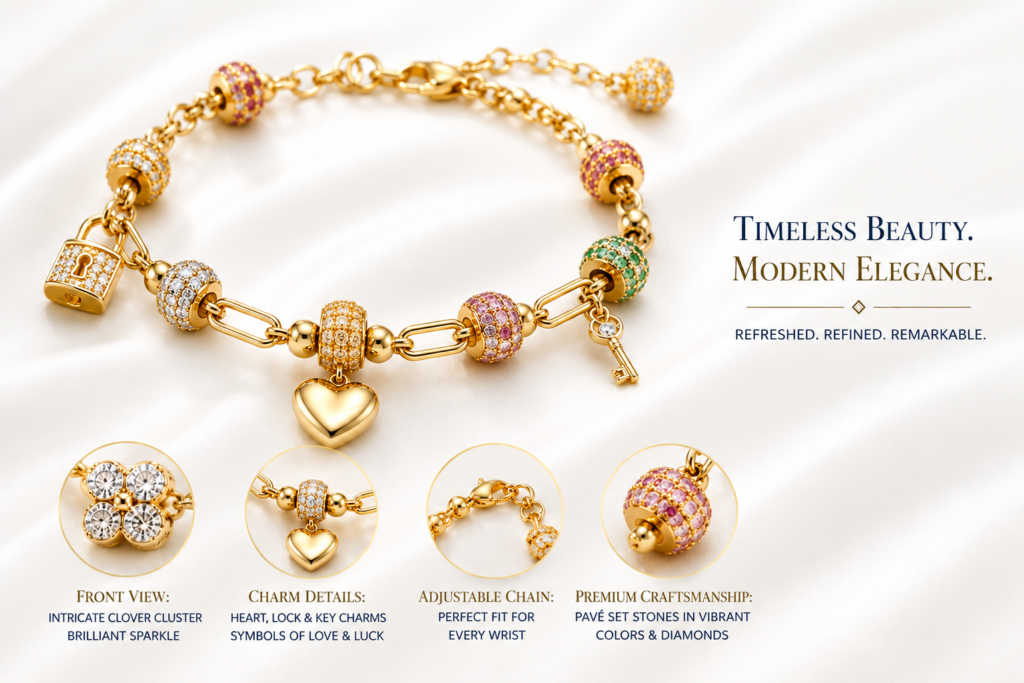
Diamond tennis bracelets have remained one of the most loved jewelry pieces for decades. Their simple design, comfortable fit, and luxurious appearance make them suitable for everyday wear as well as special occasions. Today, many buyers are choosing a lab grown diamond tennis bracelet because it offers exceptional beauty, ethical sourcing, and better value compared to traditionally mined diamonds.
Whether you’re shopping for yourself, searching for a meaningful gift, or investing in fine jewelry for the first time, understanding what to look for can help you make the right choice. This guide covers everything you need to know before purchasing a lab-created diamond tennis bracelet.
Why Are Tennis Bracelets So Popular?
A tennis bracelet is a flexible bracelet featuring a continuous line of diamonds set in precious metal. The term became widely recognized after professional tennis player Chris Evert famously stopped a match to search for her diamond bracelet after it fell off during play.
Since then, tennis bracelets have become a staple in fine jewelry collections. Their appeal comes from their versatility. They can be worn with casual outfits, business attire, and formal wear without looking out of place.
Today, buyers have more choices than ever, especially with the increasing popularity of lab grown diamond tennis bracelets.
What Is a Lab Grown Diamond Tennis Bracelet?
Explore lab grown diamond tennis bracelet features diamonds that are created in controlled laboratory environments using advanced technology. These diamonds possess the same physical, chemical, and optical characteristics as mined diamonds.
The primary difference lies in their origin. While natural diamonds form underground over millions of years, lab-grown diamonds are produced using scientific processes that replicate natural diamond formation.
Because of this, many buyers prefer lab created diamond tennis bracelet designs for their combination of quality, sustainability, and affordability.
Explore Lab Grown Diamond Tennis Bracelet Options
When shopping for a tennis bracelet, you’ll discover a wide range of styles, diamond sizes, and settings. Understanding these options can make your buying experience much easier.
Some popular choices include:
- Classic round diamond tennis bracelets
- Oval diamond tennis bracelets
- Emerald-cut diamond tennis bracelets
- Mixed-shape diamond bracelets
- East-west diamond settings
- Vintage-inspired bracelet designs
The right style ultimately depends on your personal preferences and how often you plan to wear the bracelet.
Benefits of Choosing Lab Grown Diamonds
There are several reasons why consumers are increasingly choosing lab grown diamonds tennis bracelet collections over traditional alternatives.
Better Value for Money
One of the biggest advantages is cost savings. Lab-grown diamonds generally cost less than comparable mined diamonds, allowing buyers to purchase larger stones or higher-quality diamonds within the same budget.
This makes finding an affordable lab grown diamond tennis bracelet much easier.
Ethical Sourcing
Many consumers appreciate knowing their diamonds were created without the environmental and social concerns sometimes associated with mining operations.
Exceptional Quality
Modern diamond-growing technology produces stones with remarkable clarity, brilliance, and durability. As a result, lab created diamonds tennis bracelet designs offer the same visual appeal as mined diamond jewelry.
Greater Design Flexibility
Jewelry designers can create more elaborate and customized pieces while maintaining reasonable pricing, giving buyers access to a wider variety of styles.
Understanding the Four Cs
Just like mined diamonds, lab-grown diamonds are graded according to the Four Cs:
Cut
Cut determines how effectively a diamond reflects light. Well-cut diamonds appear brighter and more attractive.
For tennis bracelets, excellent or very good cut grades are generally recommended.
Color
Diamond color grades range from D (colorless) to Z (light yellow or brown). Most buyers choose diamonds between D and H for tennis bracelets.
Clarity
Clarity measures internal inclusions and surface blemishes. VS1, VS2, SI1, and SI2 clarity grades often provide an excellent balance between appearance and value.
Carat Weight
Carat weight refers to the size of the diamonds. Tennis bracelets are available in a wide range of total carat weights, from delicate 1-carat styles to statement pieces exceeding 10 carats.
Choosing the Right Metal
The metal setting plays a major role in the bracelet’s appearance and durability.
White Gold
White gold remains one of the most popular choices because it complements diamonds beautifully and works well with nearly every outfit.
Yellow Gold
Yellow gold offers a warmer appearance and has experienced renewed popularity among jewelry enthusiasts.
Rose Gold
Rose gold provides a softer, more distinctive look that appeals to buyers seeking something different.
Platinum
Platinum is known for its strength, durability, and naturally white appearance. Although more expensive, it remains a premium choice for luxury jewelry.
Finding the Best Lab Grown Diamond Tennis Bracelet
Selecting the best lab grown diamond tennis bracelet depends on several personal factors.
Consider the following questions:
- How often will you wear the bracelet?
- What is your budget?
- Do you prefer larger diamonds or better quality stones?
- Which metal color do you wear most frequently?
- Do you want a classic or contemporary design?
A bracelet intended for daily wear may require a sturdier setting and secure clasp, while an occasional statement piece may prioritize larger stones.
Popular Tennis Bracelet Settings
The setting style affects both appearance and comfort.
Four-Prong Setting
This traditional style securely holds each diamond while maximizing visibility.
Bezel Setting
A metal rim surrounds each diamond, providing additional protection and a sleek appearance.
Shared-Prong Setting
Shared-prong settings minimize visible metal and create a seamless line of diamonds.
Channel Setting
Diamonds are positioned between metal channels, resulting in a smooth and secure finish.
Choosing the Right Size
Proper fit is essential when purchasing a tennis bracelet.
A bracelet that is too tight may feel uncomfortable, while one that is too loose could increase the risk of loss.
Most jewelers recommend adding approximately half an inch to your wrist measurement for a comfortable fit. Women’s tennis bracelets commonly range from 6.5 to 7.5 inches.
When purchasing a women’s lab grown diamond tennis bracelet, always confirm the sizing policy and available adjustments.
Certification Matters
High-quality lab-grown diamonds should be accompanied by certification from recognized grading laboratories.
Some of the most respected grading organizations include:
- IGI (International Gemological Institute)
- GIA (Gemological Institute of America)
- GCAL (Gem Certification & Assurance Lab)
Certification verifies the diamond’s quality characteristics and provides additional confidence in your purchase.
Are Lab Created Diamond Tennis Bracelets Durable?
Yes. Lab-grown diamonds possess the same hardness rating as mined diamonds, scoring 10 on the Mohs hardness scale.
This exceptional durability makes lab created diamond tennis bracelets suitable for frequent wear. However, like all fine jewelry, proper care remains important.
To maintain your bracelet:
- Store it separately from other jewelry
- Clean it regularly using mild soap and warm water
- Remove it during heavy physical activities
- Schedule professional inspections periodically
Current Design Trends
While classic round diamond designs remain popular, many buyers are exploring unique alternatives.
Current trends include:
- Graduated diamond tennis bracelets
- Mixed-cut diamond designs
- East-west settings
- Oval and emerald-cut diamonds
- Minimalist tennis bracelet styles
- Vintage-inspired craftsmanship
Some luxury jewelry enthusiasts are also exploring distinctive collections from brands such as Antiquecut for inspiration and design ideas.
How Much Should You Spend?
The cost of a tennis bracelet varies depending on several factors:
- Total carat weight
- Diamond quality
- Metal type
- Brand reputation
- Design complexity
Because lab-grown diamonds cost less than mined diamonds, buyers often obtain significantly better value.
An affordable lab grown diamond tennis bracelet may start around a few hundred dollars, while premium designs featuring larger diamonds can reach several thousand dollars.
The best approach is to establish your budget first and prioritize the features that matter most to you.
Where Should You Buy?
When purchasing a lab grown diamond tennis bracelet, consider retailers that provide:
- Diamond certification
- Detailed product specifications
- Clear return policies
- Warranty coverage
- Customer reviews
- Secure payment options
Online retailers often provide greater selection and competitive pricing, while local jewelers allow buyers to examine pieces in person.
Final Thoughts
A lab grown diamond tennis bracelet offers an outstanding combination of beauty, value, ethical sourcing, and lasting quality. Whether you’re purchasing your first tennis bracelet or adding to an existing jewelry collection, understanding diamond grading, metal options, bracelet sizing, and certification can help you make a confident decision.
With so many beautiful lab grown diamond tennis bracelets available today, finding the perfect piece has never been easier. By focusing on craftsmanship, certified diamonds, and personal style preferences, you can select a bracelet that you’ll enjoy wearing for years to come.