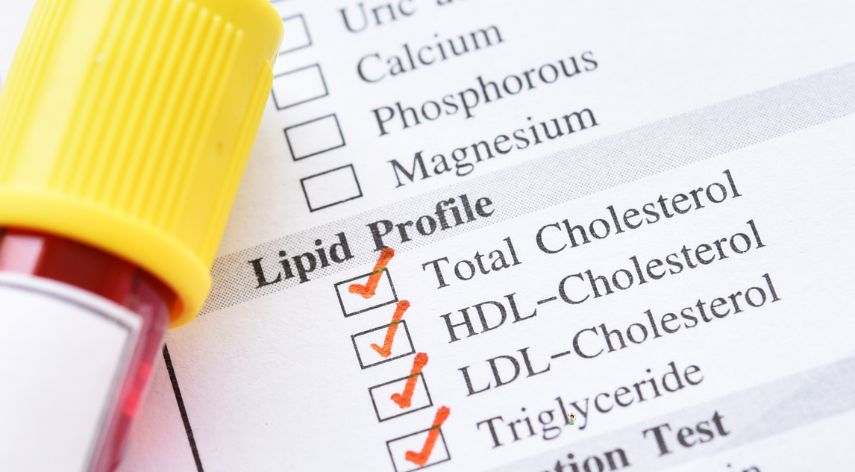
When it comes to proactive health management, few routine checks are as vital as a cholesterol test. Often referred to by healthcare professionals as a lipid panel or lipid profile, this simple blood test measures the fatty substances in your cardiovascular system. Understanding these numbers is one of the most effective ways to identify risks associated with heart health and take control of your long-term well-being.
In the UK, cardiovascular disease remains a significant public health focus. Because high cholesterol rarely presents any visible symptoms, a blood test is quite literally the only way to know where you stand.
Understanding the Components of a Lipid Profile
When you receive your results from a clinical laboratory, you will notice that your total cholesterol is broken down into several specific markers. Each plays a distinct role in your vascular health.
Non-HDL Cholesterol (The “Bad” Elements)
In modern UK clinical practice, doctors place a major emphasis on non-HDL cholesterol. This figure is calculated by subtracting your HDL (“good”) cholesterol from your total cholesterol score. It essentially represents all the harmful, atherogenic particles that can build up as plaque in your arteries, increasing the risk of narrowing or blockages.
LDL Cholesterol (Low-Density Lipoprotein)
Traditionally known as the primary “bad” cholesterol, LDL carries fat particles from your liver to the rest of your body via the bloodstream. If you have an excess of LDL, these particles can accumulate on your arterial walls, a process known as atherosclerosis. Over time, this can restrict blood flow and heighten the risk of cardiovascular events.
HDL Cholesterol (High-Density Lipoprotein)
Commonly referred to as “good” cholesterol, HDL acts as a natural clean-up crew for your cardiovascular system. It gathers surplus cholesterol from your tissues and blood vessels and transports it back to your liver, where it is broken down and safely excreted from the body. Maintaining higher levels of HDL is generally considered protective for heart health.
Triglycerides
Triglycerides are the most common type of fat found in the human body. When you consume calories that your body does not immediately need for energy, it converts them into triglycerides and stores them in your fat cells. Consistently elevated triglyceride levels, often linked to diet and lifestyle choices, can contribute to the thickening of artery walls.
Why Should You Get Tested?
Because high cholesterol does not cause physical pain or obvious warning signs, many individuals live with elevated levels for years without realising it. Having a cholesterol test as part of your regular health screening allows you to identify risks early, enabling straightforward lifestyle modifications or medical interventions before any structural damage occurs to your blood vessels.
If you are over the age of 40, routine cardiovascular screenings such as the NHS Health Check are actively encouraged every five years. However, younger adults or those with specific risk factors should consider monitoring their lipid levels more frequently.
Key Risk Factors That Warrant Early Screening
While routine testing is excellent for everyone, certain indicators mean you should prioritize a lipid check sooner rather than later:
-
Family History: A strong genetic link to early heart disease, strokes, or a diagnosed genetic condition like Familial Hypercholesterolaemia (FH).
-
Existing Medical Conditions: Diagnoses such as type 2 diabetes, high blood pressure (hypertension), or kidney disease, which are closely linked to vascular health.
-
Lifestyle Factors: A diet high in saturated fats, a sedentary routine, routine smoking, or high alcohol intake.
-
Weight Management: Carrying excess weight, particularly around the midsection, which can unfavourably alter your lipid balance.
Preparing for Your Cholesterol Test
The preparation required for a cholesterol check depends entirely on the specific type of test arranged by your clinician or private diagnostic service.
Fasting vs Non-Fasting Tests
Historically, all lipid profiles required a strict fasting period of 10 to 12 hours beforehand. Today, thanks to advancements in laboratory testing methods, many routine checks can be performed as non-fasting tests. This means you can eat and drink normally before your appointment.
However, if your clinician wants an exceptionally precise baseline of your triglycerides, they may explicitly request a fasting test. Always check your specific pre-appointment instructions carefully. If fasting is required, you should consume only water for the specified timeframe leading up to your blood draw.
Understanding Your Results: What Do the Numbers Mean?
In the UK, cholesterol levels are measured in millimoles per litre of blood (mmol/L). It is important to look at the complete picture rather than just the total cholesterol number alone.
As a general guideline for healthy UK adults, the NHS recommends aiming for a total cholesterol level of 5.0 mmol/L or below. Within that total, an ideal non-HDL level is typically considered to be 4.0 mmol/L or lower, while a healthy LDL level sits at 3.0 mmol/L or below. For the protective HDL cholesterol, an ideal level is ideally above 1.0 mmol/L for men and above 1.2 mmol/L for women.
Please note that these target ranges are general reference points. If you have existing health conditions like diabetes or a history of cardiovascular issues, your GP or specialist will likely set much lower, more stringent target levels for your bad cholesterol to ensure optimum protection.
Next Steps and Managing Your Cardiovascular Health
If your test reveals elevated cholesterol levels, there is no need to panic. Identifying this risk is the first step toward safeguarding your future health. For many individuals, making targeted, sustainable adjustments to daily habits is highly effective at improving a lipid profile.
Focusing on a diet rich in soluble fibre (such as oats, beans, and pulses), swapping saturated fats for healthier unsaturated options (like olive oil and nuts), and incorporating at least 150 minutes of moderate-intensity exercise per week can make a profound difference. Minimising alcohol intake and stopping smoking are also crucial steps in protecting your arterial walls from damage.
When lifestyle changes alone are not quite enough to bring your numbers into a safe range, a qualified healthcare professional can discuss medical support options, such as statins, to help manage your levels effectively.
Medical Disclaimer: This guide is for informational purposes only and does not constitute medical advice. Cholesterol target levels are highly individualised based on your overall clinical history. Always consult a qualified GP or healthcare professional to interpret your blood test results and determine the most appropriate management plan for your health.