There’s a Moment When People Start Treating You Differently
It happens between the third and fifth time wearing an Andrew tate suit to the same environment. Not because people consciously notice. But because visual consistency communicates something your words alone cannot.
Authority. Intentionality. Someone who knows what he’s doing.
The Andrew Tate aesthetic became influential partly because it visually demonstrates presence. Not arrogance. Not trying too hard. But the quiet authority that comes from dressing like you belong. Like you’ve already decided who you are and what that looks like.
This matters more than fashion theory suggests. How you’re treated in professional settings shifts subtly. Social dynamics change. People listen differently. Doors open easier. Conversations start from a different baseline.
That’s not shallow. That’s how human perception works.
Visual Authority: The Unspoken Language
Fashion exists in the space between intention and perception. You choose what to wear. Others interpret what that choice means. When the two align, something powerful happens.
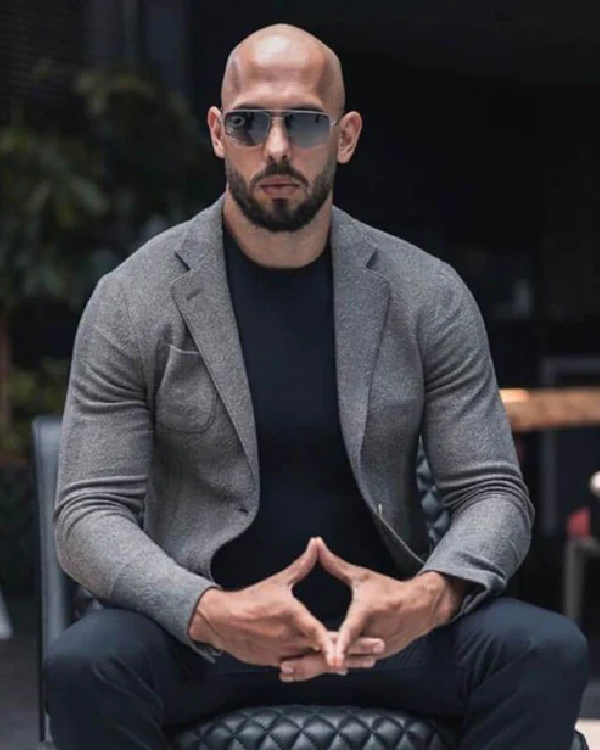
An andrew tate blazer jacket communicates before you speak. The fit says: I understand tailoring. The fabric says: I invest in quality. The coordination says: I think about how things work together. By the time you open your mouth, you’ve already established a certain credibility.
This is partly why the trend gained traction. People watched and noticed something occurring beneath the surface. Someone was getting treated differently. Responded to differently. That visible difference was intriguing enough to study.
Fashion historians would call this the “halo effect.” Looking intentional makes people assume you’re also competent, reliable, trustworthy. Not because those things are necessarily true. But because appearance influences perception instantaneously.
The Andrew Tate outfit formula weaponizes this principle systematically.
How the Tate Brothers Built Visual Hierarchy
Consistency creates recognition. Recognition creates authority.
Andrew Tate suit appearances followed patterns. The fit never wavered. The colors remained controlled. The overall composition communicated discipline. Over time, that consistency became synonymous with the person. You saw the outfit before you saw the face.
Tristan Tate leather jackets operated similarly. Distinct enough to be memorable. Consistent enough to be recognizable. That combination is rare. Most people vary their presentation constantly. The Tate brothers did the opposite.
That refusal to constantly shift created something visual media rarely sees: a signature. An aesthetic so consistent that it became part of their identity. People knew what to expect. They knew what the pieces meant.
That reliability is powerful.
The Specific Jacket Styles That Command Attention
Certain pieces carry inherent authority. They’re designed that way.
The structured blazer as presence amplifier. An andrew tate blazer jacket with proper shoulders and clean lines reads as business-formal. Wearing it casually says something specific: I’m not trying to look formal. I’m just dressed well. That distinction matters.
The python jacket as intentional scarcity. Few people own python leather. Owning one communicates knowledge. It says you understand material hierarchy. That knowledge precedes any conversation.
The Versace robe as confidence statement. Robes exist in uncomfortable territory for menswear. Wearing one requires comfort with standing out. That comfort reads as authority. Insecure people don’t wear robes in public.
The mink coat as maximum presence. Fur announces itself. There’s no quiet wearing a mink coat. That refusal to be invisible communicates something. That you occupy space deliberately. That your presence matters.
The white suit as ultimate confidence. White shows everything. Wrinkles. Dirt. Imperfection. Wearing white flawlessly requires meticulous attention. That attention demonstrates either resources or discipline. Both read as authority.
Professional Contexts: Where This Actually Matters
The Andrew Tate outfit formula works across professional environments precisely because it communicates competence through appearance.
In business meetings: The tailored suit puts you on equal footing with executives regardless of your actual position. You look like you belong. People treat you accordingly.
In social settings: The intentional aesthetic creates conversation entry points. People notice. They comment. You’re no longer ambient. You’re visible.
In creative fields: The specific pieces and designer knowledge communicate cultural literacy. You understand not just fashion but cultural signals. That matters in industries built on understanding signals.
In competitive environments: Visual confidence creates actual confidence. You’re already winning the psychological battle before competing. Your appearance has already done half the work.
That’s not unfair. That’s just how perception functions.
The Real-World Outcomes of Visual Intentionality
This is where fashion theory meets actual results.
People spend more time looking at you. They remember you better. They treat you with slightly more deference. Doors that were closed remain slightly more open. Negotiations start from better positions. Romantic prospects respond differently.
These aren’t massive shifts. They’re subtle. But across hundreds of interactions, they accumulate. A five percent improvement in how people treat you, compounded across a year, becomes meaningful.
That’s the practical promise of an Andrew Tate tuxedo or Tristan Tate suit. Not that they magically change your life. But that they shift baseline treatment slightly upward.
How to Leverage Visual Presence Without Appearing Performative
The key distinction is intention without performance.
Consistency matters more than expense. Wearing the same quality pieces repeatedly communicates more authority than rotating expensive items constantly. People recognize the repeat. That recognition becomes authority.
Context alignment is crucial. The andrew tate white suit works in specific contexts. Wearing it wrong undercuts everything. Knowing where pieces work is what separates intentional dressing from costume.
Subtlety beats boldness. The most powerful presence comes from pieces people don’t immediately notice but instinctively respect. A Tristan Tate burgundy suit gets attention. A perfectly tailored charcoal suit gets deference.
Quality shows immediately. You cannot fake expensive-looking fabric through styling alone. Quality reads instantly. That’s where budget matters. Not on brand names. On material that looks good from across the room.
Oversized Presence vs. Fitted Authority
Oversized clothing creates visual softness. It obscures form. It suggests comfort over intention. There’s nothing wrong with that. But it doesn’t communicate authority.
Fitted pieces do the opposite. They clarify form. They suggest intentionality. An Andrew Tate blazer jacket that fits properly creates visual authority regardless of what’s underneath.
This is why the aesthetic dominated. It provided a framework for creating presence through appearance alone.
Colors and Materials as Social Capital
The Andrew Tate trench coat exists in premium material that people recognize as expensive. That recognition is social capital. Before you’ve spoken, you’ve communicated resource access.
The Andrew Tate shearling jacket operates similarly. Shearling costs significantly more than standard leather. Owning it suggests either wealth or serious prioritization of quality. Both read as authority.
Color choice matters similarly. Someone wearing black consistently communicates intentionality. Someone wearing multiple colors weekly communicates indecision. That distinction shapes perception subtly.
Why This Aesthetic Dominates Professional Spaces in 2026
We’re in a moment where appearance still matters significantly despite all cultural shifts toward casual everything. The Andrew Tate outfit provides permission to dress deliberately without seeming corporate or out-of-touch.
It’s contemporary formality. Structured but not stiff. Intentional but not trying-too-hard. That balance is rare. That’s why it resonates.
Additionally, visual presence creates actual advantages. That’s not superficial. That’s human behavior. The person who looks most confident gets treated as most confident. That treatment creates actual confidence.
Building Your Own Visual Authority
You don’t need to copy his exact pieces. But understanding how his pieces create presence teaches you something useful: appearance shapes perception. That perception shapes treatment. That treatment shapes outcomes.
Your version might use different designers. Different colors. Different specific pieces. But the principle remains identical: intentional, consistent, quality appearance creates presence.
Jacket Craze exists partly because people understand that visual intention matters. That dressing well creates measurable advantages. That those advantages are worth investing in.
The Andrew Tate outfit trend isn’t about vanity. It’s about recognizing that appearance influences reality.
FAQ
Q: Will dressing like this actually change how people treat me? A: Measurably yes, though subtly. People respond differently to intentional appearance. That response compounds across interactions. You’ll notice differences in professional contexts particularly. Within weeks of consistent intentional dressing, you’ll experience slight shifts in how people engage with you.
Q: Does this only work for rich people? A: Quality matters more than expense. A two-hundred-dollar suit that fits perfectly creates more presence than a two-thousand-dollar suit that doesn’t. Tailoring is where the magic happens. That’s affordable. The presence isn’t about price. It’s about intention and fit.
Q: What if I’m naturally introverted? A: This actually helps introverted people. Your appearance communicates on your behalf. You don’t have to project confidence. Your clothes do it for you. That removes pressure. Introverted people often report feeling more comfortable once their appearance creates presence—they feel less need to perform verbally.