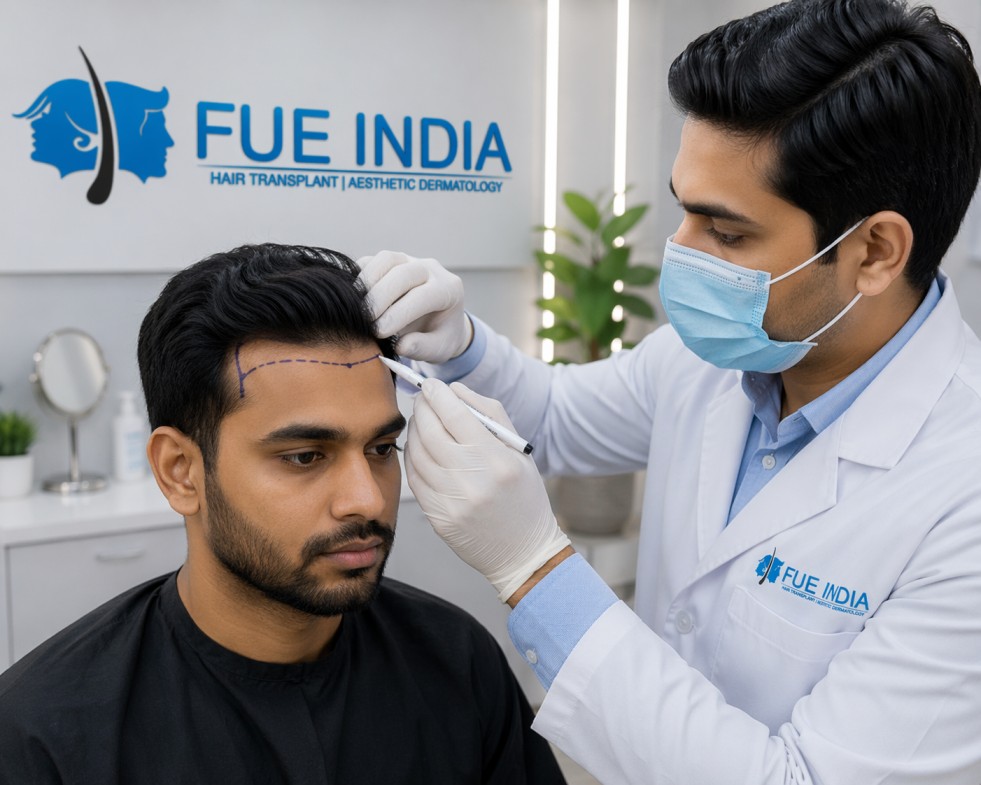
Choosing to undergo a hair transplant is a significant investment in your appearance and confidence. While many people search for the average hair transplant cost, the final price can vary considerably from one patient to another. Several factors determine the overall expense, including the number of grafts required, the stage of hair loss, the surgeon’s expertise, the technology used, and the quality of aftercare services.
Understanding these factors can help you make an informed decision and avoid choosing a clinic based solely on price. This guide explains the eight key elements that influence hair transplant cost and what you should consider before planning your treatment.
1. Number of Grafts Required
The most important factor affecting hair transplant cost is the number of grafts needed for the procedure.
A graft is a small group of hair follicles taken from the donor area and transplanted into thinning or bald regions. The larger the area requiring coverage, the more grafts will be necessary.
Typical graft requirements include:
- Mild hair loss: 1,000–1,500 grafts
- Moderate hair loss: 2,000–3,000 grafts
- Advanced hair loss: 3,500–5,000 grafts or more
Since many clinics calculate pricing on a per-graft basis, patients requiring a higher number of grafts can expect a higher overall treatment cost.
2. Stage of Hair Loss
Every patient’s hair loss pattern is unique, making the stage of baldness an important pricing factor.
Early-stage hair loss usually requires fewer grafts and a shorter procedure. In contrast, extensive baldness demands greater coverage, additional planning, and longer surgical sessions.
Patients with advanced hair loss may also need multiple procedures to achieve natural-looking density, increasing the total hair transplant cost over time.
Seeking treatment early often results in a lower overall investment while preserving existing hair.
3. Surgeon’s Experience and Expertise
The qualifications and experience of the surgeon play a major role in determining treatment costs.
Highly experienced hair transplant specialists often charge higher fees because they offer:
- Natural hairline design
- Better graft survival rates
- Consistent density
- Reduced risk of complications
- Long-lasting results
Choosing an experienced surgeon can minimize the need for corrective procedures and improve the overall success of the transplant.
4. Clinic Technology and Equipment
Modern technology has significantly improved hair transplant procedures, making them safer and more precise.
Many premium clinics invest in:
- Digital scalp analysis
- Advanced FUE extraction systems
- Sapphire blades
- High-powered microscopes
- Precision implantation devices
These technologies improve graft handling and placement while enhancing patient comfort and recovery.
Although clinics with advanced equipment may charge more, the improved accuracy and higher graft survival rates often justify the additional expense.
5. Donor Area Quality
The donor area is the section of the scalp where healthy hair follicles are extracted.
Its quality directly affects:
- Number of available grafts
- Ease of extraction
- Surgical complexity
- Overall treatment planning
Patients with thick, healthy donor hair typically achieve better coverage in a single session.
If the donor area has limited density or previous scarring, the surgeon may need a more customized approach, which can increase hair transplant cost.
Proper donor management is essential for achieving natural results while preserving hair for potential future procedures.
6. Hair Transplant Technique
The technique selected also influences pricing.
FUE (Follicular Unit Extraction)
- Individual follicle extraction
- Minimal scarring
- Faster recovery
- Widely preferred by patients
FUT (Follicular Unit Transplantation)
- Strip harvesting method
- Suitable for certain cases
- Usually lower procedural costs
DHI (Direct Hair Implantation)
- Specialized implantation tools
- Greater precision
- Higher density placement
- Generally more expensive
Each technique has different equipment requirements, surgical time, and expertise levels, which contribute to the final cost.
7. Clinic Location
Geographic location can significantly affect hair transplant cost.
Clinics located in major metropolitan cities often have higher operating expenses due to:
- Premium facilities
- Skilled medical staff
- Higher rent and infrastructure costs
- Advanced equipment maintenance
These expenses are reflected in treatment pricing.
Patients considering medical tourism should also include additional costs such as travel, accommodation, transportation, and follow-up appointments when calculating their overall budget.
Choosing a reputable clinic with experienced professionals is often more valuable than selecting the lowest-priced option.
8. Aftercare Services and Follow-Up Support
Many patients focus only on the procedure itself and overlook the importance of post-operative care.
Quality aftercare improves recovery and supports healthy graft growth.
Comprehensive aftercare may include:
- Follow-up consultations
- Scalp cleaning sessions
- Medication guidance
- Recovery monitoring
- Hair growth assessments
Some clinics also provide additional treatments such as PRP therapy or laser therapy to enhance results.
While these services may increase hair transplant cost, they contribute significantly to long-term success and patient satisfaction.
Additional Factors That May Influence Pricing
Besides the eight major factors, several other elements can affect the final treatment cost, including:
- Clinic reputation
- Hairline design complexity
- Number of surgical assistants
- Previous hair transplant corrections
- Customized treatment plans
- Additional medications and recovery products
Understanding exactly what is included in the treatment package helps avoid unexpected expenses later.
Tips for Choosing the Right Clinic
When comparing clinics, consider more than just price.
Look for:
- Experienced and qualified surgeons
- Transparent pricing structures
- Verified before-and-after results
- Modern technology
- Safe donor area management
- Comprehensive aftercare programs
- Positive patient reviews
A successful hair transplant is a long-term investment, and quality treatment often provides better value than choosing the cheapest available option.
Conclusion
Hair transplant cost is influenced by multiple factors rather than a single fixed price. The number of grafts required, stage of hair loss, surgeon experience, clinic technology, donor area quality, treatment technique, location, and aftercare services all contribute to the final expense.
By understanding these eight key factors, patients can plan their treatment budget more accurately and make informed decisions based on quality, safety, and long-term results. Instead of focusing only on the lowest price, choose a reputable clinic and experienced surgeon to maximize the chances of achieving natural-looking, permanent hair restoration.