sf map of neighborhoods
The blueprint of modern residential luxury in San Francisco is undergoing a radical structural transformation. For decades, the gold standard of real estate in the city was defined by horizontal sprawl—historic Victorian and Edwardian estates perched on the hills of Pacific Heights or nestled in the coastal fog of the west side. However, a major economic and architectural evolution has rewritten the rules of high-end homeownership. Driven by the massive artificial intelligence tech boom and an influx of capital from venture operators and founders, luxury has moved decisively into the sky.
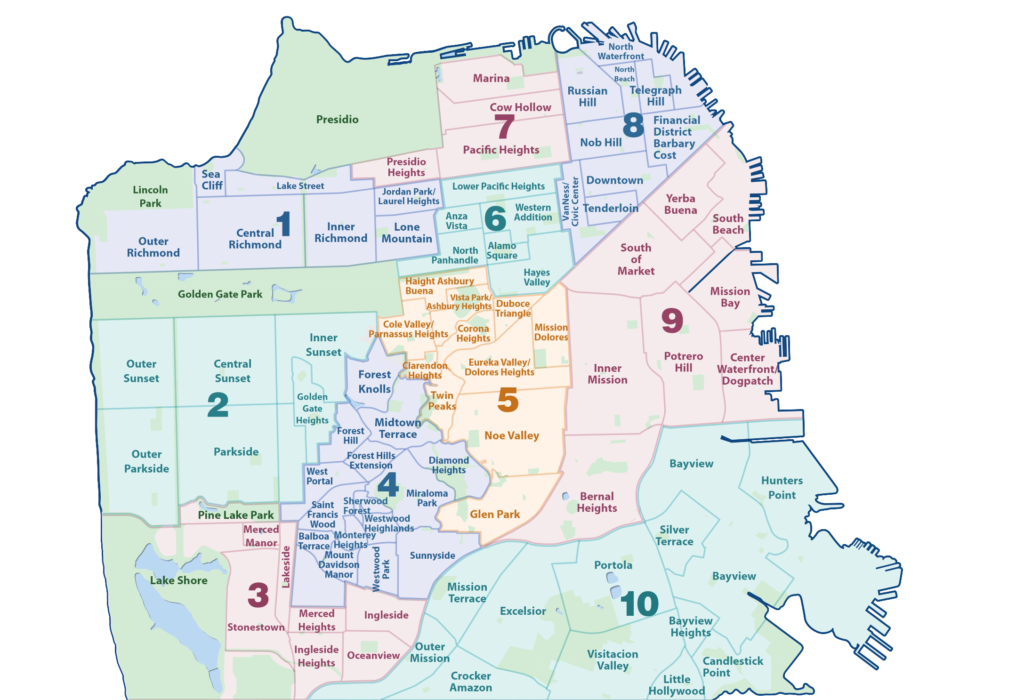
This shift is fundamentally altering the traditional sf map of neighborhoods. As urban professionals prioritize seamless logistics, advanced structural engineering, and integrated wellness ecosystems, the city’s eastern waterfront has become the epicenter of a vertical living revolution. Modern residential towers are no longer just places to hold real estate assets; they have transformed into fully self-contained, micro-urban communities that provide a level of amenity-rich convenience that traditional single-family homes simply cannot match.
The Geography of the Vertical Evolution
To understand how high-rise amenities are reshaping the city, one must look closely at where this development is concentrated on the sf map of neighborhoods. The historic core of San Francisco’s single-family wealth remains anchored in traditional, low-density districts. However, the modern luxury buyer is focusing heavily on transformed eastern and southern waterfront zones. Districts like South Beach, Rincon Hill, the Transbay tech corridor, and the newly developed Mission Rock waterfront are drawing the highest density of premium high-rise buyers.
This geographic concentration is highly intentional. These neighborhoods have been strategically redesigned around high-rise infrastructure, placing elite residential towers like The Avery, Lumina, and MIRA within arm’s reach of corporate headquarters, transit hubs, and cultural anchors. By clustering these advanced vertical communities along the sunshine-heavy eastern side of the city, developers have effectively created a new sub-market that appeals to a demographic that values walkability, sunshine, and immediate proximity to global tech centers.
Integrated Hospitality and Anticipatory Service Ecosystems
The defining characteristic of modern vertical luxury is the total elimination of daily logistical friction. In a traditional residential neighborhood, managing a premium property requires a significant commitment of time and mental energy, involving a constant stream of third-party contractors, security personnel, and maintenance teams. New high-rise towers solve this issue by integrating white-glove, anticipatory hospitality directly into the building’s operating system.
Step inside a premier tower along the Folsom Street corridor or South Beach, and you are met with a twenty-four-seven service standard modeled after the world’s finest boutique hotels. Dedicated residential directors and elite concierge networks handle everything from secure package decryption and temperature-controlled storage for private grocery deliveries to automated vehicle retrieval systems within secure underground motor courts. This level of service treats time as the ultimate non-renewable resource, allowing busy executives and tech founders to completely outsource the operational demands of homeownership.
The Wellness and Lifestyle Revolution Within the Sky
Traditional residential infrastructure typically limits wellness amenities to a standard, windowless basement fitness room. Modern high-rise towers have completely rejected this old model, allocating immense architectural footprints to highly advanced, light-filled wellness spaces. Buildings like Lumina have dedicated entire acres of indoor and outdoor square footage strictly to lifestyle enrichment, establishing a brand-new standard for what an urban home must provide.
These vertical health sanctuaries feature seventy-foot heated indoor lap pools, professional-grade indoor rock-climbing walls, private yoga and Pilates studios, and dedicated spa treatment facilities. Furthermore, the focus on lifestyle extends beyond physical fitness to include custom soundproof music practice rooms, private high-spec screening theaters, and automated pet grooming stations. By building these comprehensive facilities directly into the structure, residents can experience a premier, private-club lifestyle without ever needing to leave their secure building envelope.
Private Executive Co-Working and Capital Pods
The blending of professional and personal lives among elite tech founders and venture capitalists has led to another major shift in high-rise amenities: the introduction of high-spec corporate infrastructure. Working from a laptop on a kitchen island is no longer sufficient for modern operators who regularly host private board sessions, interface with international capital partners, or manage scaling artificial intelligence firms.
To meet this demand, premier high-rises now feature sophisticated, fully equipped business centers, private executive conference rooms, and sound-isolated work pods. These spaces are fully wired with enterprise-grade, high-speed networks and advanced secure technology. This allows residents to effortlessly transition from their private residences to a professional corporate setting within seconds, providing an unparalleled hybrid lifestyle that perfectly matches the operational realities of modern San Francisco business leaders.
Secure Urban Sanctuaries and Peace of Mind
For high-profile residents, personal privacy and structural security are critical pillars of any real estate investment. Modern high-rise communities provide a multi-layered security infrastructure that traditional historic districts cannot replicate. This security framework begins at the controlled-access private motor court, where automated valet systems and highly trained security personnel screen all incoming traffic away from public view.
Once inside, advanced biometric access control systems ensure that private elevator vestibules open only to verified residents, keeping the residential floors entirely closed to the outside world. Additionally, these modern towers offer a level of environmental peace of mind that is highly prized on the West Coast. Engineered with cutting-edge structural mechanics—including advanced viscous dampers and heavy steel exoskeletons anchored directly into solid subterranean bedrock—these buildings are designed to absorb environmental stress and allow for immediate re-occupancy, providing a level of physical stability and personal safety that sets a new benchmark for urban residential design.