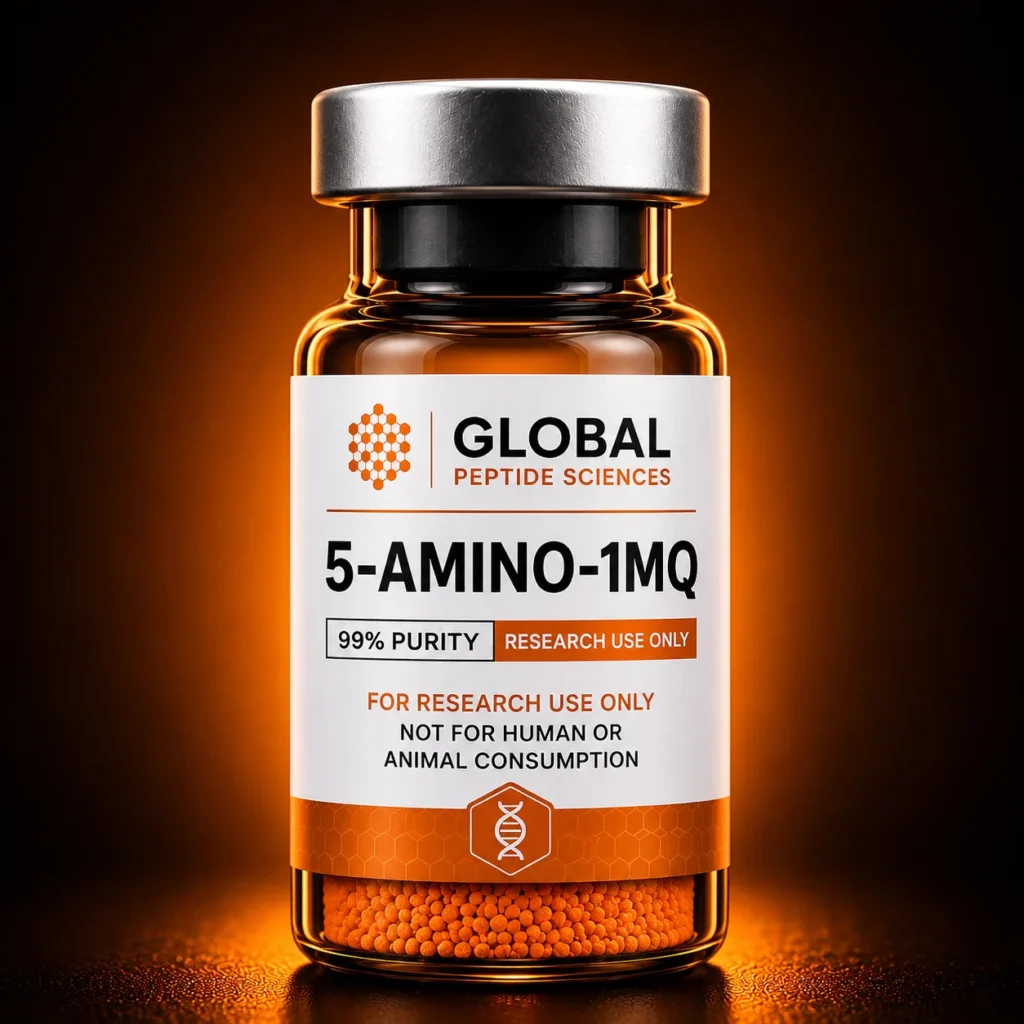
5 amino 1mq australia
Scientific research continues to advance at an impressive pace, with peptides playing an increasingly important role in laboratory investigations across numerous biomedical disciplines. Researchers studying molecular biology, regenerative science, endocrinology, immunology, and neuroscience rely on carefully synthesized peptides to support controlled experimental models. As demand grows, selecting dependable sources for Australian research peptides has become a crucial aspect of maintaining reliable scientific outcomes. Quality manufacturing, rigorous analytical testing, and consistent production standards all contribute to the integrity of research materials, making supplier evaluation an essential step for every laboratory.
The Expanding Role of Peptides in Scientific Research
Peptides are short chains of amino acids that serve as valuable research compounds due to their highly specific biological interactions. Scientists investigate peptides to better understand cellular communication, receptor signaling, protein expression, tissue biology, metabolic pathways, inflammatory mechanisms, and numerous physiological processes. Their versatility has made peptides indispensable in preclinical laboratory research.
As more institutions incorporate 5 amino 1mq australia into experimental workflows, the emphasis has shifted beyond simply obtaining peptide products. Researchers now focus on sourcing compounds manufactured according to high scientific standards that promote consistency, reproducibility, and confidence in laboratory findings.
Reliable peptide sourcing allows investigators to minimize unnecessary experimental variables while maintaining greater control over study design and data interpretation.
Why Manufacturing Quality Matters
Every research peptide undergoes multiple production stages before reaching a laboratory. These include raw material selection, peptide synthesis, purification, analytical verification, packaging, storage, and distribution. Each stage influences the overall quality of the finished product.
Premium manufacturers follow carefully controlled production protocols designed to reduce contamination, maintain molecular accuracy, and achieve consistent purity. High manufacturing standards help ensure every peptide batch closely matches its intended molecular sequence.
When laboratories purchase Australian research peptides, understanding the manufacturer’s commitment to quality provides valuable insight into the reliability of the research materials being introduced into experimental studies.
Batch Consistency Supports Reproducible Science
One of the cornerstones of scientific research is reproducibility. Experimental observations should remain consistent when studies are repeated under similar laboratory conditions. This principle depends heavily upon using research materials that demonstrate minimal variation between production batches.
Batch consistency refers to the ability of manufacturers to produce peptides with nearly identical purity profiles, molecular characteristics, and analytical results over multiple manufacturing cycles. Even slight differences in peptide composition can introduce unwanted variables that complicate data interpretation.
Researchers working with Australian research peptides benefit significantly when suppliers maintain rigorous batch-to-batch quality control. Consistent manufacturing enables long-term projects to proceed with greater confidence while supporting accurate comparisons across multiple experiments.
Analytical Testing Ensures Product Reliability
Modern peptide manufacturers utilize advanced analytical technologies to verify product quality before distribution. Two of the most widely accepted analytical techniques include High-Performance Liquid Chromatography (HPLC) and Mass Spectrometry (MS).
HPLC evaluates peptide purity by separating molecular components and identifying impurities, while Mass Spectrometry confirms molecular weight and sequence accuracy. Together, these techniques provide strong evidence that synthesized peptides meet expected specifications.
Laboratories purchasing Australian research peptides should prioritize suppliers that openly provide analytical documentation demonstrating comprehensive quality verification. Scientific transparency strengthens confidence in research materials and supports responsible laboratory practices.
Certificates of Analysis Improve Research Confidence
A Certificate of Analysis (COA) represents one of the most valuable documents accompanying research peptides. Rather than relying on marketing statements, researchers can examine objective analytical information before incorporating peptides into experimental protocols.
Comprehensive COAs commonly include:
- Product identification
- Batch or lot number
- Purity percentage
- Molecular weight confirmation
- Analytical testing methods
- Manufacturing date
- Storage recommendations
- Quality control verification
Access to detailed documentation enables laboratories using Australian research peptides to maintain stronger internal quality assurance procedures while supporting research reproducibility.
Storage Conditions Protect Peptide Integrity
Manufacturing quality alone cannot preserve peptide stability if storage conditions are neglected. Peptides are sensitive biological compounds that require appropriate environmental controls throughout transportation and laboratory storage.
Factors including excessive heat, moisture, oxygen exposure, repeated freeze-thaw cycles, and direct sunlight may gradually reduce peptide stability. Professional suppliers recognize these challenges by implementing protective packaging, temperature-conscious shipping practices, and detailed storage instructions.
Researchers handling Australian research peptides should carefully follow recommended storage procedures immediately upon receiving laboratory materials. Proper storage helps preserve peptide quality throughout the duration of scientific investigations.
Transparency Reflects Scientific Professionalism
Trustworthy peptide suppliers recognize that scientific researchers require evidence rather than promotional language. Transparent organizations openly discuss manufacturing standards, analytical testing procedures, quality control systems, research-use limitations, and product documentation.
Rather than making unsupported performance claims, reputable suppliers provide technical information that enables researchers to independently evaluate product quality. This scientific approach aligns closely with laboratory expectations and strengthens confidence throughout the purchasing process.
When selecting Australian research peptides, transparency serves as an important indicator of supplier credibility and long-term reliability.
Scientific Integrity Begins with Reliable Materials
Scientific integrity extends beyond research methodology. It begins with selecting dependable materials capable of supporting accurate, reproducible investigations. High-quality research peptides reduce unnecessary variability, allowing researchers to focus on meaningful scientific observations instead of questioning material consistency.
Reliable peptide sourcing contributes to:
- Improved experimental reproducibility
- Greater confidence in analytical data
- Reduced variability between studies
- Better long-term project consistency
- Enhanced laboratory quality assurance
- Stronger scientific documentation
Every stage of peptide production contributes to maintaining the integrity expected within professional research environments.
Choosing Suppliers That Prioritize Quality
With an increasing number of peptide suppliers entering the market, laboratories should evaluate providers based on measurable quality indicators rather than pricing alone. Premium suppliers distinguish themselves through consistent manufacturing practices, comprehensive analytical verification, transparent documentation, secure packaging, responsive technical support, and strict research-use policies.
Organizations specializing in Australian research peptides should demonstrate a clear commitment to scientific excellence by maintaining standardized quality systems throughout manufacturing and distribution.
Researchers benefit from partnering with suppliers whose priorities align with laboratory expectations for accuracy, consistency, and accountability.
Supporting Long-Term Biomedical Innovation
Australia continues to contribute significantly to global biomedical research through ongoing scientific innovation. High-quality peptide materials support investigations into complex biological mechanisms while enabling researchers to explore new therapeutic concepts, molecular pathways, and physiological interactions within controlled laboratory settings.
As peptide technologies continue evolving, maintaining rigorous manufacturing standards will remain essential for supporting future scientific discoveries. Reliable research materials strengthen collaborative investigations, improve reproducibility across institutions, and contribute to the overall advancement of biomedical science.
By selecting dependable Australian research peptides, laboratories establish a strong foundation for producing trustworthy research outcomes that can support future scientific progress.
Conclusion
The growing importance of peptides in biomedical research highlights the need for exceptional manufacturing quality, consistent production practices, and unwavering scientific integrity. Researchers sourcing Australian research peptides should prioritize suppliers that demonstrate transparent quality control, advanced analytical testing, comprehensive documentation, and reliable batch consistency. These factors collectively support reproducible laboratory investigations while reducing unnecessary experimental variability. As Australia’s research community continues expanding, responsible peptide sourcing will remain a key element in advancing high-quality scientific discovery and maintaining the rigorous standards expected throughout modern biomedical research.