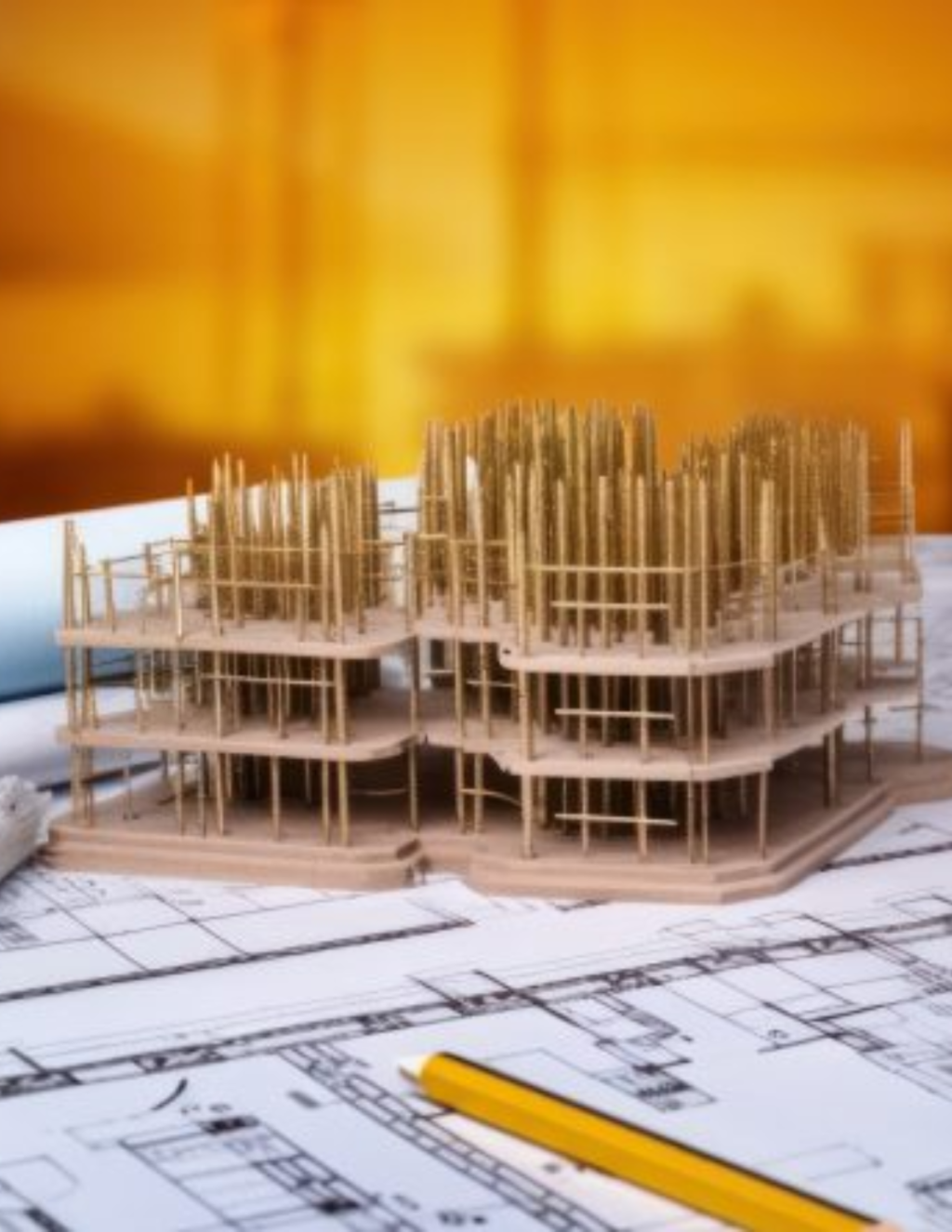
Nowadays, in the quick world of building and design, architectural 3d rendering services play a key role for designers, contractors, investors, and homeowners alike. Rather than sticking only to flat plans and sketches, teams show lifelike images of what structures will appear like when built. Through these visuals, people get a clear sense of spaces – how rooms feel, facades stand out, or neighborhoods take shape – even while still on paper.
Reality begins where ideas take shape on screen. Pictures built from plans help teams see clearly, act sooner, move forward without second-guessing. Homes, offices, entire neighborhoods – each benefits when shapes appear real before breaking ground. Seeing it first means fewer surprises later. Clarity comes early, stays through every phase.
What Is 3D Rendering in Architecture
Understanding 3D Rendering?
From nothing, a building appears – crafted not with bricks but code, shaped by programs that turn lines into lifelike scenes. Out pops every surface, each shadow placed just so, showing how light slips across stone or glass at noon. Furniture settles into rooms like it belongs there, while trees rise outside, rooted in pixel soil. The world around the structure breathes too, sidewalks stretching, skies shifting. Materials feel real – not guessed, but built layer by layer until you could swear you’d touched them.
How This Is Different From Old Style Drawings
Most folks struggle to read standard blueprints – they’re built for experts. Yet a three dimensional image shows the exact look of a building without needing training. Visuals skip confusion by turning floor plans into something familiar at first glance.
Improved Design Visualization
Visualizing the Build Prior to Groundbreaking
Before any construction begins, seeing a lifelike version helps people grasp how things will look. Walking through each part digitally lets clients feel sure about what they’re getting.
Imagine flipping through a photo album before attending the event. A clear snapshot shows up early, giving room to shift gears when things feel off track.
Better Client Understanding
Most people find it hard to understand complex blueprints. Because they show spaces so realistically, realistic images fix this problem – layouts of rooms, outside shapes of structures, how light falls, along with materials and finishes become instantly clear.
Improved communication among stakeholders
Clear Project Presentation
Seeing things differently? That happens when builders, designers, planners, or those paying for it look at one job. Yet pictures shaped like real life help each person grasp what others mean.
When everyone sees things the same way, working together gets simpler. A shared understanding means team members move in step, not at cross purposes.
Reducing Misunderstandings
Picture it clearly, then errors tend to drop. With a lifelike view of the plan laid out, guesses about size, texture, look, or materials fade fast because seeing leaves little unsaid.
Faster Decision-Making Process
Easier Design Revisions
Later on, altering things while building takes more effort compared to adjusting them early. Because of rendering tools, picking new shades, rearranging spaces, switching finishes, or tweaking details happens fast.
Quick Approval Cycles
With visuals showing how things will look when done, clients tend to decide more quickly. As a result, sign-offs happen sooner, helping work stay on track without getting stuck.
Lower Costs Fewer Mistakes
Spot design problems early
Before any building starts, a thoughtful image might show where plans could clash. Where things fit, how light falls, what looks right, or whether it works – these issues often appear sooner through careful visuals. Fixing them happens faster when spotted ahead of time.
Minimizing Construction Changes
Fixing things late costs more. Spotting problems early helps teams skip expensive fixes, wasted supplies, leftover materials pile up less often when timing stays on track.
Before building begins, a close look at specific parts like roof trusses helps spot how well they fit within the whole frame. A visual check catches mismatches early, smoothing out assembly later on.
Marketing and project presentation benefits
Attractive Visual Content
Before a building rises, images shape how people see it. Through brochures or online pages, creators share visions that feel real. These visuals appear where first impressions matter most. Instead of waiting, teams show what will be through detailed scenes. What you see isn’t built yet – but looks like it is.
A sharp image pulls viewers in, letting future owners or funders feel something real about the space. While clear pictures build that first spark, emotion often follows through what they see.
Getting More Clients and Investors
Pictures that show exactly what’s coming make people pay attention. When ideas take shape on paper, doubts shrink. Seeing every part laid out leaves less room for confusion. A clear image often speaks before words get the chance.
California drafting firms use 3D rendering
Out here, plenty of drafting companies in California turned to 3D visuals just to speed things up while keeping customers happier. Since building and property scenes stay so tight on competition, fresh approaches help push permits through faster – on top of making pitches sharper.
With rendering added to how they work, drafters give clients easier-to-understand plans because visuals bridge gaps in understanding while shaping smarter design results.
Connecting With Today’s Building Plans
Supporting BIM and digital workflows
From the first sketch, clarity grows when visuals meet data-rich models. One feeds into the next, building precision through shared details across platforms.
Better Project Coordination
Start with one shared digital plan, then watch how teams like builders and designers sync up fast. Mistakes that once slipped through now pop into view early because timing clicks better when everyone pulls from the same source. Work flows cleaner once overlaps fade and momentum builds naturally across tasks.
The Role of a Professional 3D Design Firm
Out of nowhere, working alongside a skilled 3D design team might shift how well your project turns out. Since they know their way around light, textures, angles, and ways to show visuals clearly – designs stop being flat ideas but start feeling real.
With their know-how, complex ideas turn into clear visuals without losing precision. Because of this, what clients get is useful stuff that also looks good.
Future of Architectural Visualization
Right now, tools like AI shape how buildings come to life on screen. Virtual spaces let people step inside designs before they exist. Instead of static images, viewers explore moving scenes as if walking through walls. Augmented layers add digital pieces onto real environments using tablets or glasses. Real-time updates shift lighting or materials while clients watch. Each leap pulls presentation work further from old sketches into living models.
Faster software changes how buildings look before they are built. With sharper images, plans feel real long before breaking ground. Because of better visuals, choices happen quicker among teams. Since clients see clearly, decisions come easier during talks. When models move like film, ideas catch on fast without explaining much.
Conclusion
Seeing designs in 3D changes how teams share plans. Because visuals become clearer, mistakes happen less often. Approval times shrink since everyone grasps details faster. Marketing gains strength when images show exactly what’s coming. With lifelike previews, choices get made with confidence. Work moves smoother when all parts connect early. Outcomes improve because thinking stays ahead of building. Even as tools evolve, showing spaces in depth keeps mattering deeply. Architects rely on it. So do contractors, investors, people who own buildings – anyone needing precision without guesswork. Efficiency grows where imagination meets structure. Projects gain clarity before ground breaks.
FAQs
1. What are architectural 3D rendering services used for?
Built before brick meets mortar, 3D visuals show how a structure will look once complete, giving everyone involved a clearer picture of the plan through lifelike previews shaped by digital modeling instead of guesswork.
2. How do 3D renderings improve project planning?
Early on, problems in design can show up thanks to them. Revisions happen faster because of how they work. Project members talk more clearly when using these tools.
3. Are 3D renderings useful for marketing real estate projects?
True. Sharp visuals let builders show off plans to interested parties long before ground breaks. Sometimes a clear image speaks louder than blueprints ever could.
4. Is it possible that 3D rendering cuts down expenses in building projects?
True. Spotting problems early means fewer changes later, which keeps spending down. When visuals reveal clashes before construction, money stays saved.
5. Why is 3D rendering important in modern architecture?
Because visuals get clearer, choices become easier to make. Teamwork gets a boost when everyone sees the same picture. Working alongside today’s building tech feels natural, almost like it was meant that way. Things just line up without forcing them.