Out front, safety matters just as much as ease of access these days – homes and businesses feel that truth every day. Think about places like offices, storage yards, neighborhoods behind walls, or factories; knowing who comes and goes keeps things running smooth. Step into the scene: Automated Gate Operator handle entry without fuss, doing quiet work most never notice.
Rather than using hand-operated gates, automation brings a sharper approach to controlling who comes and goes. Property managers gain stronger protection, smoother vehicle movement, a tidier entrance routine. What makes these setups better at handling everyday entry? Time to find out.
Automated Gate Operator Basics?
Definition and Purpose
A gate moves on its own when a machine handles the job. This system wakes up with codes tapped into pads, signals sent from handheld units, cards waved nearby, voices heard through call boxes, or taps made inside phone software. Each trigger brings motion without hands needing to push.
Just one clear aim sits at the center – keeping entry safe and managed without constant human oversight. Fewer hands needed when systems handle access smoothly on their own.
How It Works
Open comes the gate when someone approved asks to enter. Following confirmation, movement begins through motorized parts that swing it wide. Then time passes before closing happens on its own. Always watching, safety stays strong throughout each step.
Access Control Matters Daily
Security issues in today’s buildings
Security threats show up at every building sooner or later. Strangers walking in unannounced, cars slipping through behind others – these open doors to trouble. When entry points stay loose, keeping track of people coming and going gets messy fast.
Controlled Access Required
Imagine access control like a sieve. Much like how guards check IDs at an entrance, a gate setup lets through only those who should be there. That keeps things safe without letting in unnecessary visitors.
How automated gates manage entry every day
Enhanced Security
Most people choose automatic gates because they keep places safer. Closed until someone allowed shows up. A solid wall stops strangers walking in without permission. Property stays shielded by something you can see and touch.
Easy Access In And Out
Opening a gate by hand after stepping out of your car feels like wasted time. That hassle vanishes when automation takes over. With remotes, keycards, or phone-based entry, people who are allowed move through fast. Access becomes smooth, quiet, done before you notice it started.
When storms roll in, showing up after dark, or when roads get crowded – this ease really shows its worth.
Reduced Human Error
Open gates sometimes happen when people handle entries by hand. Mistakes creep in because checks get skipped now and then. Unauthorized guests slip through when oversight fades. Someone forgets a step, confusion follows. Every gap grows risk without clear steps followed each time.
Following set rules without fail, automation cuts down on errors every single time it runs.
Better Visitor Management
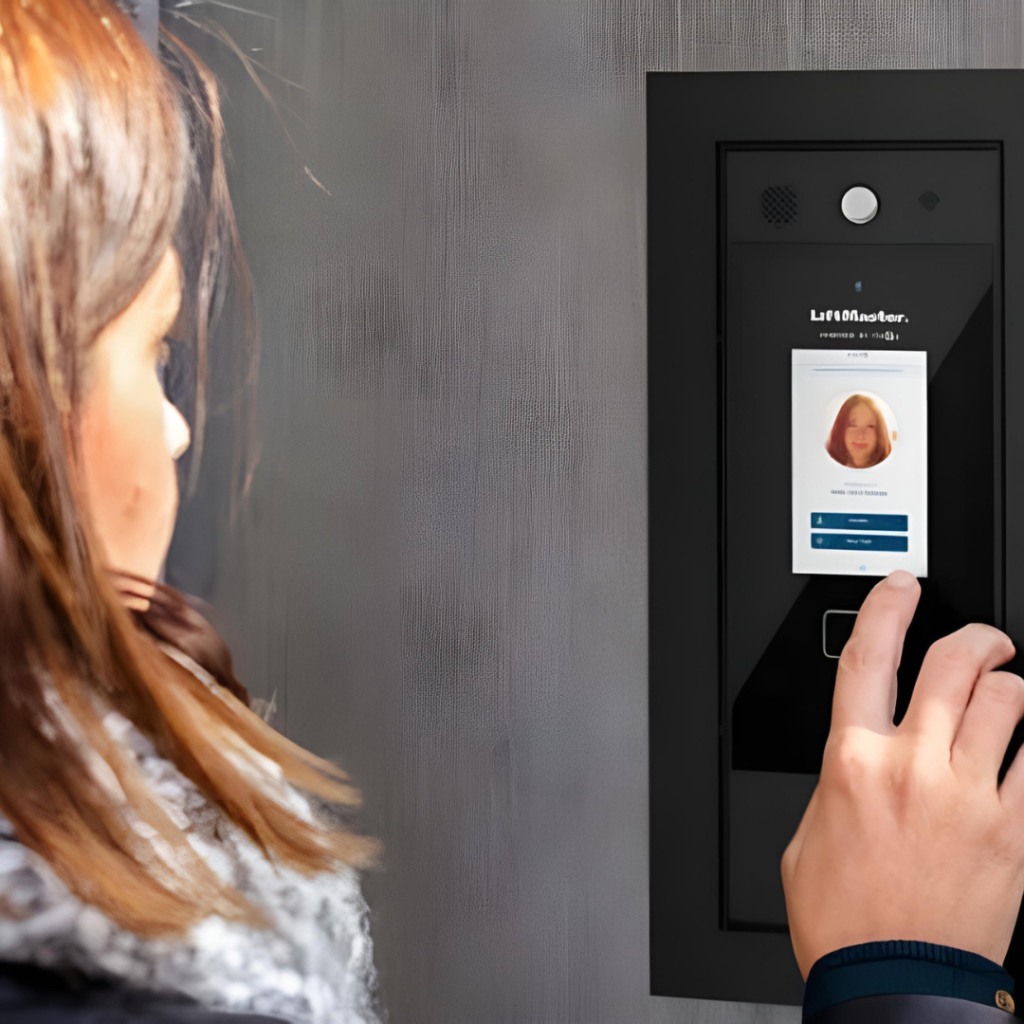
From the front step, guests might press a button to speak with someone inside. Once they do, their voice travels through a small screen near the door. Some buildings let people watch who is calling before saying yes. After permission comes through, gates unlock just enough to allow passage. Each check along the way leaves a quiet record behind.
Increase Efficiency for Property Owners
Faster Vehicle Movement
Stuck traffic often feels endless. Yet smart barriers cut wait times, letting approved cars pass checkpoints fast without hassle.
This kind of setup works well for places like offices, rental buildings, or factories where cars come and go often – especially when there’s a steady flow throughout the day. What matters most is how it handles constant movement without slowing things down.
Reduced Need for Hands On Oversight
Now it is different at gates because machines take care of who comes and goes. Staff do not have to watch every entry since smart setups manage these jobs alone. This shift means people can turn their attention elsewhere when duties call.
Connecting With Today’s Access Technologies
Keycards and Keypads
Out here, today’s gate openers link up neatly with keypad setups and card readers. A person types in their number or shows an ID tag to get through.
Built-in adaptability holds tight safeguards steady. While.
Mobile Access Solutions
Folks tap phones instead of keys these days when coming through gates. Some gadgets hook up wirelessly so entry happens without touching anything.
Remote Gate Operation
From a coffee shop downtown or a vacation halfway across the world, gate controls stay within reach. When someone needs entry just once – like a plumber, courier, or visitor – the ability to respond without being on-site makes things move. It simply removes the need to be present.
Real-Time Access Monitoring
Managers get alerts right away, so they can check who entered when. Because of these updates, oversight becomes easier throughout the building.
Quality Access Control System Support
Improved Accountability
From the moment someone approaches, a quality access control system begins noting movements. What makes it work well is how precisely permissions are managed. Entry logs grow clearer when gates open by themselves. Who comes in, who leaves – each move gets stored without gaps. Reliability shows up in every recorded detail.
When problems show up, knowing who did what makes it easier to look into things. It also helps keep systems safer by making actions traceable.
Better Access Tracking
Each day, what happens at a property shows up clearly in access logs. When something stands out, those details help spot irregularities. Reviewing who entered when becomes part of smarter choices around safety. Decisions gain clarity because evidence comes straight from recorded entries.
Starting at the gate, movement flows smoother once linked to a solid entry check setup. A dependable path forms when timing meets oversight without gaps. Entry points behave better if logic guides their response, not just force. Smooth operation shows up where machines sync with clear rules. Security gains strength through steady coordination, not extra layers.
Advantages for Home Neighborhoods
Safer Neighborhood Access
Security matters most when people walk home after dark. A gate that opens only for certain people keeps strangers out, which means fewer cars passing through where they do not belong. Fewer unknown faces tend to mean quieter streets, a small change that shifts how safe a place feels.
More Convenient Living for People
Sliding through the entrance feels effortless, no waiting around. Each trip home flows better because gates move on their own.
Advantages for Business and Factory Sites
Controlled Employee Access
Most companies must watch who gets into which spots. These entry gates run by themselves, so just the right people get through. Sometimes doors open only when they should – machines handle it without a second thought.
Enhanced Property Protection
Out in the open, commercial sites keep pricey tools, stockpiles, and machines. Because break-ins happen, automatic gates step in – slowing down trespassers before they get close.
Long-Term Cost Savings
Lower Labor Costs
Fewer staff needed when machines handle entry tasks, so expenses drop as days go by.
Reduced Security Risks
Costs add up fast when security breaches happen. Stopping intruders lowers chances of stolen items, broken things, or fires – saving money later on.
How to Pick an Automatic Gate System
Factors to Consider
Start by thinking about what kind of gate you have – sliding, swinging, or cantilever – affects which opener works best. Heavy daily use means picking a model built for constant movement, not occasional openings. Entry patterns matter too; timed deliveries need different controls than random visitor arrivals. Compatibility with existing systems, like keypads or sensors, helps avoid mismatched parts later on. Choose something that handles today’s demands but also adapts when new tools come along.
Future Expansion Possibilities
When needs shift, a flexible setup lets property owners bring in fresh access methods, tracking options, or upgraded safeguards. One step at a time, each addition fits without overhaul. Growth happens piece by piece, yet everything stays connected. Over months or years, changes stack – quietly, steadily. What begins small adapts without breaking stride.
Conclusion
A gate operator that runs on its own does way more than save effort. Security gets stronger because access becomes predictable, not left to chance. Efficiency climbs when people move through without delays caused by outdated methods. Managing who enters a site turns smoother, especially across big properties where oversight matters. Homes tucked inside neighborhoods gain just as much as office buildings do. Control stays tight since only approved entries go through. Mistakes drop when human handling fades out of the process. Pairing this setup with solid verification tech sharpens results even further. Safety grows without extra manpower watching every door. Smarter flow shapes how spaces operate day to day. Everyone using the place benefits quietly – no fanfare needed.
FAQs
1. Automated Gate Operator Basics?
A gate moves on its own when it gets a signal from something you carry – like a remote, card, keypad code, or phone. This movement comes from a built-in motor that responds only to approved inputs. Instead of pushing or pulling by hand, the machine handles the opening and shutting whenever permission is granted through one of these tools.
2. How does an automated gate improve security?
Access stays limited to just those granted permission, blocking outsiders automatically. A solid layer of protection forms around the site without relying on constant supervision.
3. Can automated gate operators work with mobile devices?
Most up-to-date setups work with phone apps, so you can check status or open the gate from afar – using Wi-Fi or data connections makes it happen smoothly. Remote functions respond quickly when signals are strong enough nearby.
4. Are automated gate systems suitable for businesses?
For sure. Firms rely on these tools so staff permissions stay controlled, valuable items remain protected, one layer of building safety gets stronger.
5. Why is a quality access control system important?
Entry logs stay clear when a solid security setup watches who comes and goes. Protection tightens because just approved people get through secured doors. Oversight grows stronger without extra effort involved.