home health care services
When a loved one experiences a serious illness, injury, surgery, or age-related health challenge, families often face difficult decisions about ongoing care. Many people want their family members to remain in the comfort of their own homes, but they may not know how to provide the support needed for recovery or long-term health management. This uncertainty can create stress for everyone involved, especially when balancing work, personal responsibilities, and caregiving duties. Families frequently worry about safety, medication management, and whether their loved one is receiving proper medical attention. Understanding available care options becomes essential for making informed decisions that benefit both patients and caregivers.
The demand for home-based healthcare has increased significantly across the United States in recent years. According to the U.S. Census Bureau, the number of Americans aged 65 and older continues to grow rapidly, creating a greater need for healthcare solutions that allow individuals to age in place. Many patients prefer receiving treatment in familiar surroundings rather than spending extended periods in hospitals or care facilities. This preference has encouraged healthcare providers to expand services that can be delivered directly in the home. As a result, more families are exploring home health care services as a practical and effective option for supporting recovery and maintaining independence.
Understanding the Challenges Families Face
One of the biggest problems families encounter is the gap between hospital discharge and full recovery. Hospitals are designed to provide acute care, but many patients require ongoing support after returning home. Without proper assistance, individuals may struggle with medication schedules, mobility limitations, wound care needs, or chronic disease management. Family members often step into caregiving roles without formal training, which can lead to confusion and emotional strain. These challenges can affect both the patient’s health outcomes and the well-being of the caregiver.
The situation becomes even more difficult when multiple health conditions are involved. Older adults frequently manage illnesses such as diabetes, heart disease, arthritis, or respiratory conditions that require regular monitoring. Missing medications, skipping therapy sessions, or failing to recognize warning signs can result in complications and hospital readmissions. According to the Centers for Medicare & Medicaid Services, preventable readmissions cost the healthcare system billions of dollars each year. Families often feel overwhelmed trying to coordinate appointments, transportation, and medical instructions while maintaining their normal routines. The pressure can quickly become exhausting without professional support.
What In-Home Healthcare Services Include
The solution for many families is professional healthcare delivered directly at home. These programs are designed to help patients recover, manage medical conditions, and maintain independence while remaining in familiar surroundings. Services are typically provided by licensed nurses, therapists, and healthcare professionals working under a physician’s direction. Care plans are customized to meet individual needs and goals. This personalized approach allows patients to receive appropriate support without leaving their homes.
One of the most common components of home health care services is skilled nursing care. Registered nurses can monitor health conditions, manage medications, assess symptoms, provide wound care, and educate patients about their treatment plans. These services are particularly valuable after surgery, hospitalization, or the diagnosis of a chronic illness. Nurses also communicate with physicians to ensure that treatment plans remain effective and appropriate. Their involvement helps identify potential problems before they become serious medical issues.
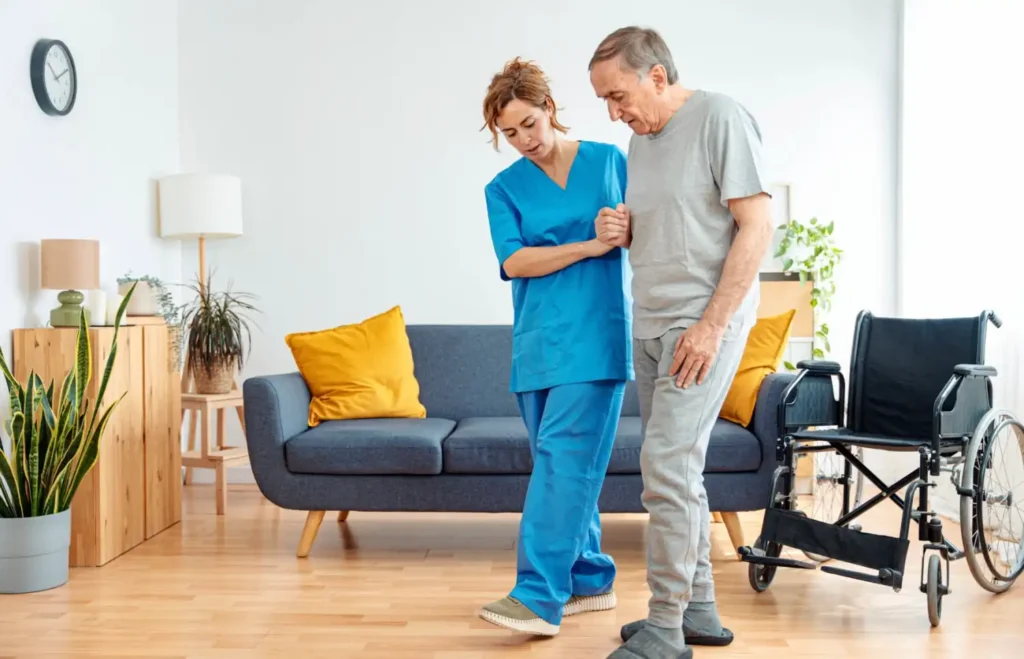
Physical therapy is another essential service frequently provided in the home setting. Patients recovering from surgery, injury, or illness often need help rebuilding strength, balance, and mobility. Therapists create individualized exercise programs and monitor progress over time. By receiving therapy at home, patients can practice movements in their actual living environment, making rehabilitation more practical and effective. This approach often improves confidence and supports a faster return to daily activities.
Occupational therapy focuses on helping individuals perform everyday tasks safely and independently. Therapists may recommend adaptive equipment, teach new techniques, or modify living spaces to reduce risks. Activities such as dressing, bathing, cooking, and household management can become easier with professional guidance. Speech therapy may also be included for patients experiencing communication or swallowing difficulties following strokes, neurological conditions, or other health events. Together, these services contribute to a more complete recovery process.
Real-World Impact on Patients and Families
The benefits of receiving care at home are supported by both research and real-world experiences. A study published in JAMA Internal Medicine found that patients receiving coordinated home-based healthcare often experienced fewer hospital readmissions and improved satisfaction with their care. These outcomes are important because they contribute to better health while reducing healthcare costs. Families also report feeling more confident when professionals are involved in managing complex medical needs. The combination of expert care and familiar surroundings creates a supportive recovery environment.
Consider the example of a Michigan resident recovering from knee replacement surgery. After being discharged from the hospital, the patient struggled with mobility and pain management. Through a structured home-based care program, a nurse monitored recovery progress while a physical therapist provided regular rehabilitation sessions. Within several weeks, the patient regained mobility and avoided complications that could have resulted in another hospital visit. Stories like this demonstrate how professional support can significantly improve outcomes during recovery.
Another example involves an older adult managing congestive heart failure. Family members were concerned about medication schedules and symptom monitoring because the patient lived alone. A nurse visited regularly to assess health status, educate the patient, and communicate with the physician when changes occurred. This proactive approach helped prevent emergency situations and provided reassurance to family members. Such cases highlight the practical value of skilled healthcare delivered directly in the home.
Who Qualifies for Home-Based Healthcare?
Eligibility depends on several factors, including medical needs, physician recommendations, and insurance requirements. Many patients qualify following hospitalization, surgery, illness, or injury. Individuals with chronic conditions that require regular monitoring may also be eligible. Physicians typically evaluate whether professional care is medically necessary and develop a plan tailored to the patient’s condition. This assessment helps ensure that services address specific healthcare goals.
Medicare covers many forms of home health care services when eligibility requirements are met. Patients generally must be under a physician’s care and require intermittent skilled nursing or therapy services. Private insurance plans and Medicaid programs may also provide coverage, although benefits vary depending on the policy and state regulations. Families should review coverage details carefully and discuss options with healthcare providers before starting services. Understanding financial responsibilities helps avoid unexpected expenses.
In many communities, providers work closely with hospitals, physicians, and rehabilitation centers to coordinate care transitions. This collaboration helps ensure continuity of care and reduces the likelihood of communication gaps. Patients benefit when all healthcare professionals share information and work toward common treatment objectives. Effective coordination is one of the key reasons why home-based healthcare programs continue to grow in popularity across the country.
Choosing the Right Healthcare Provider
Selecting a provider requires careful research and thoughtful consideration. Families should evaluate licensing, accreditation, staff qualifications, and the range of services offered. Reading reviews and asking for references can provide valuable insights into the quality of care. It is also helpful to discuss communication practices, scheduling flexibility, and emergency response procedures. A provider that maintains open communication can make the entire caregiving experience more manageable.
For families seeking home health care Michigan providers, understanding local resources is particularly important. Different organizations may specialize in specific services such as skilled nursing, rehabilitation, or chronic disease management. Comparing available options allows families to find a provider that aligns with their loved one’s needs. Asking detailed questions during consultations can help identify strengths and potential concerns before services begin. Taking time to evaluate providers often leads to better long-term outcomes.
Experience has shown that personal connections matter as much as professional qualifications. Patients are more likely to engage with treatment plans when they trust their caregivers. Families should look for providers that prioritize compassionate communication and individualized care. A positive relationship between patients and healthcare professionals can improve cooperation, satisfaction, and overall results. Trust remains a critical factor in successful healthcare delivery.
The Future of Healthcare at Home
Healthcare technology continues to transform the way services are delivered. Remote monitoring devices, telehealth consultations, and digital health records allow providers to track patient progress more efficiently than ever before. These innovations support faster communication between patients, caregivers, and medical professionals. As technology advances, home-based healthcare is becoming increasingly effective and accessible. Families now have more tools available to support loved ones outside traditional healthcare settings.
The growth of home health care Michigan programs reflects broader national trends toward patient-centered care. Healthcare systems increasingly recognize that recovery often happens best in familiar environments where individuals feel comfortable and supported. By combining professional expertise with personalized attention, providers can address both medical and emotional needs. This balanced approach contributes to stronger patient outcomes and greater family satisfaction. Continued investment in home-based care is expected to expand opportunities for patients throughout the coming years.
Industry analysts project significant growth in home healthcare over the next decade due to demographic changes and patient preferences. As more people seek alternatives to institutional care, providers will continue expanding services and improving care delivery models. Families can expect greater flexibility, improved technology integration, and enhanced coordination between healthcare professionals. These developments will make home-based healthcare an increasingly important part of the American healthcare system.
Conclusion
Navigating healthcare decisions for a loved one can be challenging, especially when recovery or long-term medical management is involved. Families often face uncertainty about how to provide adequate support while maintaining quality of life and independence. Without professional assistance, caregiving responsibilities can become overwhelming and increase the risk of complications. Understanding available options allows families to make informed decisions with greater confidence. Knowledge remains one of the most valuable tools when planning ongoing care.
Professional home health care services offer a practical solution by bringing skilled medical support directly into the home. Through nursing care, therapy, patient education, and coordinated treatment plans, patients receive the assistance they need while remaining in familiar surroundings. Families benefit from expert guidance, reduced stress, and improved peace of mind throughout the care journey. For those exploring home health care Michigan options or similar services elsewhere in the country, careful research and provider selection are essential. By choosing the right support system, families can help their loved ones achieve better health outcomes, greater comfort, and a higher quality of life.