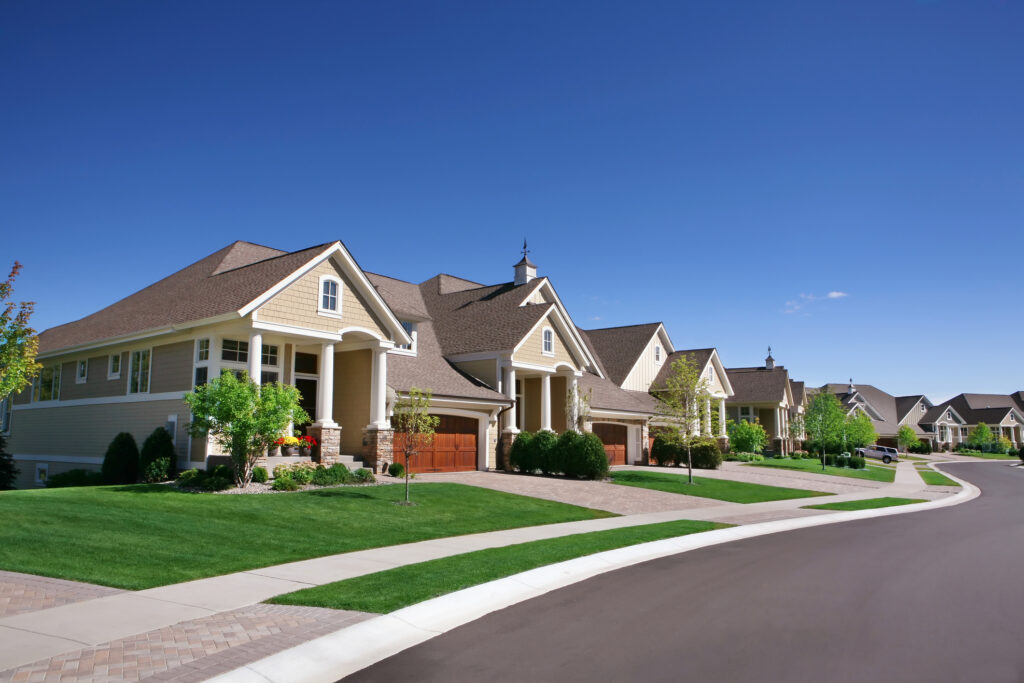
Perfectly manicured suburban street on a beautiful clear September day.
Most folks face few money choices bigger than purchasing property. Yet what really matters is figuring out if that home keeps worth – or grows – down the road.
Home prices shift now and then, yet some spots hold worth better than others. If picking your initial place, growing wealth through real estate, or just scanning houses for sale baton rouge la, knowing what lasts matters. Beauty grabs attention at first sight – true – but staying power comes from less obvious traits. Markets rise, dip, repeat; homes that climb back each time share quiet strengths beneath the surface.
Picture this: certain signs reveal whether a place truly holds worth over time. Look beyond surface appeal, focus shifts toward lasting traits instead. Hidden strengths often show up quietly at first glance. Factors like location stability matter more than flashy updates inside. What seems minor today might shape tomorrow’s outcome greatly. Consider how surroundings evolve slowly across years passing by. Solid foundations whisper potential louder than bold designs ever could.
Long Term Property Value Explained
A home’s future price depends on how well it holds up over time. Picture dropping seeds into soil. With deep roots, growth happens even when weather shifts. What matters most grows beneath the surface.
Stability often sticks around when property values grow slowly but surely. Future interest tends to build where people actually want to live, not just invest. Rather than follow quick trends, smart choices lean into lasting appeal. Growth shows up most where needs meet limited supply.
Location Determines Property Worth
Truth sticks around for a good cause when it comes to property: spot matters most, again and again. Because where something sits shapes everything else that follows after.
Neighborhood Growth Potential
Over time, places gaining jobs and shops tend to draw more interest. Watch spots where city budgets meet construction crews busy at work.
When neighborhoods are expanding, home values usually climb faster than in places that aren’t changing much.
Access to Amenities and Services
Easy access counts. Properties close to stores, clinics, green spaces, eateries, or theaters tend to draw greater interest from those looking to buy.
Most folks like having daily essentials nearby. When a place is easier to reach, it tends to stay popular over time.
Economic Signs Pointing to Later Expansion
Out here, property scenes never stand alone. Tied tightly to how the nearby economy moves and breathes.
Employment Opportunities
People move where jobs are steady, pushing up the need for homes. When a place has many kinds of work, it tends to hold firm through tough times.
Start by looking into big companies nearby plus what new businesses might be coming soon before you decide to purchase.
Population Growth Trends
More folks settling in a place usually means homes are wanted more. As numbers climb, those looking to buy start outnumbering available houses. This squeeze often lifts how much properties are worth.
Start by checking population numbers along with predictions for area expansion when looking for strong spots. Where people are moving matters just as much as where they already live.
Evaluating Construction Quality
Beneath a pretty exterior, trouble might be waiting inside. A home that seems perfect could carry hidden expenses within.
Building Materials
When buildings use tough materials, they tend to need less fixing over time. Roofs that last make a big difference, while strong bases help too. Plumbing you can count on adds stability, not just comfort. Long-term worth sticks around when these pieces hold up.
Spending extra at the start makes sense when walls hold strong for years. A house built right? It sticks around – just like a car you can count on.
Structural Integrity
Paying for expert checks makes sense every time. When the base has problems, or there is moisture harm, or parts of the building are weak, what buyers will pay later drops fast.
Standing tall through years of change, a solid frame keeps any building safe and stable. What holds up walls today must also handle tomorrow’s shifts without failing. Without it, everything else risks coming apart under pressure or time.
School Districts and Educational Facilities
A family-free shopper might still find value in strong schools. Schools matter beyond just kids. For some, it’s about future resale more than report cards. Think long term – education ties into neighborhood appeal. A top-rated district can lift any property. Even childless owners gain when test scores rise.
Effect on Home Value Growth
Most families look first at schools when picking a neighborhood. That push shows up clearly in homebuyer choices – better ratings tend to draw more interest.
Beside good schools, homes often hold their worth when prices shift across the area.
Infrastructure and future development plans
A town’s coming years might tell you more than price tags ever could. What grows there shapes what wallets pay later.
Transportation Improvements
Highways built today might just open doors tomorrow. When buses run faster, people tend to want to move closer. Roads stretching further pull neighborhoods into sharper focus. Faster commutes sometimes lift what homes are worth. Expansion projects change how places feel overnight.
Start by checking what new roads or transit lines might pop up nearby. Look into planned upgrades – these shape how convenient a spot really is. Sometimes a quiet area gets busier fast when construction kicks off down the street. Future access matters just as much as what’s there now.
Commercial Expansion
Out of nowhere, shops, workspaces, and places to unwind begin reshaping a neighborhood. With time, employment rises while more people settle in, lifting what was once just a quiet stretch of town.
Still, things need to match up. Too much shop space might make homes less attractive by comparison.
market trends and past performance
Back then isn’t a promise of what comes next, yet it sometimes points the way.
Looking at How Values Changed Over Time
Over the past decade, look at whether home prices went up steadily. When numbers rise without big drops, that often means the local real estate scene is stable.
Out of nowhere jumps can seem nice, yet slow growth usually hints at better staying power down the road.
A houses for sale in prairieville la might lead someone to check past price shifts first. Noticing how values changed over time can shape what feels like a smart move later.
Rental Demand and Investment Potential
Should you stay in the home yourself, renter interest still matters just the same.
Steady Income Chances
Beside a college campus or tucked into a bustling work hub, homes tend to pull interest year after year. Growth nearby means people keep looking for places to stay. Close to jobs or expanding offices, these spots rarely sit empty for long.
When life shifts, a steady stream of renters can keep options open. Should plans shift later, earning from tenants becomes possible even as value grows slowly over time.
Features That Keep Property Valuable
Some property characteristics never go out of style.
Functional Layouts
Spacious layouts pull in people of all ages. Storage that actually works matters just as much. Room flow makes a difference when living day to day.
Too much personal flair can turn off potential buyers later on.
energy efficiency meets modern upgrades
Homeowners now want houses that use less power. Updated heating and cooling setups help cut costs over time. Smart tech inside makes daily tasks easier without wasting energy. Good insulation keeps temperatures steady year-round. Appliances designed to save electricity also boost a property’s worth.
Better features cut expenses at the same time they draw more interest from shoppers.
Property buying mistakes to avoid
Looks grab attention, yet key details often slip through the cracks.
Some common mistakes include:
- Ignoring neighborhood trends.
- Skipping professional inspections.
- Burning extra cash when prices scream high.
- Failing to pay attention to what comes next. Not looking ahead at possible steps forward.
- Failing because local economies weren’t studied. Not checking how money moves nearby caused problems. Overlooking neighborhood trends led to poor outcomes. Skipping that step brought avoidable trouble.
- Buying based solely on emotional attachment.
A space where you cook might get a fresh look anytime. But if it sits in a bad spot, changing that won’t happen so easily.
Conclusion
A house might seem right at first glance – yet what matters most hides underneath. Great spots sit where jobs grow, roads connect well, buildings stand solid, lives feel comfortable, also plans point ahead. Location pulls weight just as much as bricks, while progress whispers louder than price tags ever do.
Start by thinking through each detail carefully when eyeing homes for families or rental income. Those looking at listings in prairieville la, along with similar rising areas, do better paying attention to lasting basics instead of quick spikes. What makes real estate pay off over time? It is less about snagging an ideal house right now. More about picking one that holds worth – years ahead, even generations down the road.
FAQs
1. Location shapes how well a house holds its worth over time.
Most of the time, where something sits matters more than anything else – shapes who wants it, how much it might grow in value, even how easily it can be sold later. What spot it holds quietly drives a lot of outcomes behind the scenes.
2. Do school districts really affect property values?
Besides location, what matters most is how schools nearby are ranked – places near top-rated ones tend to draw more interest over time. Growth in value usually follows where education quality stands high.
3. How can I research future development plans in an area?
Start by looking into what the town planners have posted lately. City hall often shares updates about work moving forward soon. Reports on growth in the area usually list construction plans ahead.
4. Older houses sometimes hold value just as well.
Older houses might still win. When cared for properly, they often beat new builds if placed right – location matters more than age. A fresh facade won’t fix a poor neighborhood.
5. Why is rental demand important if I plan to live in the property?
Rentals in high demand often mean more options for owners. A steady stream of tenants usually points to a solid neighborhood market. That strength tends to help home values rise steadily over time.