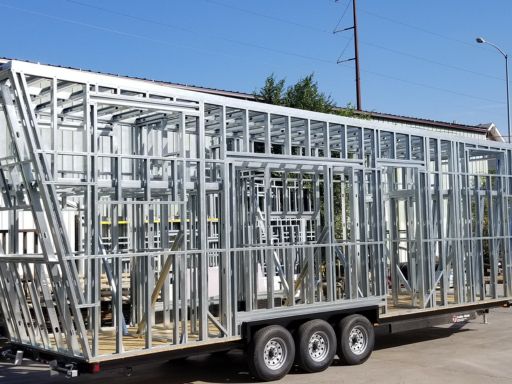
You’ve seen the shows. The perfect little home on wheels, fairy lights strung up, and someone smiling while making coffee in a closet-sized kitchen. Cute, right? But here’s the part they leave out. Most of those setups aren’t actually legal. You can build the most gorgeous tiny home trailer you’ve ever seen, park it on your buddy’s land, and still get a nastygram from the county telling you to move it within thirty days. I’ve seen it happen. It’s not fun. That’s why chasing a legal tiny house should be your first move, not an afterthought. Otherwise you’re just building a very expensive shed on wheels that you can’t live in.
What “Legal” Even Means for a Small Home
People throw around the word legal like it’s simple. It’s not. Every city, every county, sometimes even different neighborhoods have their own tiny house code rules. Some places follow Appendix Q of the residential code. Others treat any home under 400 square feet like an RV. And RVs have different laws. You need a structure that meets the International Residential Code, or you need to park it in a place that specifically allows alternative housing. I’m not trying to scare you. I’m trying to save you money. A legal tiny house follows local zoning, building, and safety codes. That means real windows for egress, proper ceiling height, stairs that won’t kill you, and a foundation if the city demands it.
Why the ADU Builder Changes Everything
Here’s where it gets interesting. Instead of fighting city hall alone, you bring in someone who knows how to win. A good ADU builder doesn’t just slap together a backyard cottage. They understand permits, setbacks, utility tie-ins, and the weird local amendments that trip up DIYers. I talked to one ADU builder last month who said half his job is just translating what the planning department wants into plain English. The other half is convincing homeowners that a legal tiny house isn’t impossible, it just requires patience. These builders already work with accessory dwelling units, which means they know how to make small spaces livable and legit. Same skills, smaller footprint.
Spotting the Difference Between an ADU and a Trailer
Let me clear up something that confuses a lot of people. A tiny home trailer is built on wheels. An ADU is built on a permanent foundation. That one difference changes everything legally. Wheels mean you might dodge property taxes, but you also dodge legal protection. Foundations mean you’re a real dwelling. Now, I’m not anti-trailer. I’ve seen stunning tiny homes on trailers that feel better than most apartments. But if you want something that appreciates in value and doesn’t get flagged by code enforcement, talk to an ADU builder about putting it on the ground permanently. You can still make it small. You can still make it beautiful. But now it’s real property.
Finding an ADU for Sale Without Getting Scammed
Online listings for an adu for sale are everywhere. Some are legit. Some are nightmares waiting to happen. I saw one ad last week for a “legal tiny house” that turned out to be a refurbished shipping container with no insulation rating and wiring that would make an electrician cry. The seller disappeared when asked for permits. So here’s my blunt advice. Never buy an ADU for sale unless you see the stamped plans and the certificate of occupancy. If the seller hesitates, walk away. A real ADU builder will have paperwork ready. They’ll know the difference between a dwelling unit and a glorified shed. Don’t let cute photos fool you. Ask for proof.
The Permitting Headache Is Worth It
People ask me all the time if they can just skip the permits and hope nobody notices. You can try. But neighbors notice. Delivery drivers notice. That one guy on the block with too much time on his hands definitely notices. The fine for an unpermitted legal tiny house can run into the thousands, plus you might have to tear the whole thing down. I’ve watched it happen to good people who just wanted affordable housing. The smarter path? Hire tiny house experts who handle the paperwork. They know which forms to file, which inspectors to call, and how to fix small issues before they become big ones. It costs more up front. It saves everything later.
What a Real Build Looks Like With an ADU Builder
When you finally hire an ADU builder, here’s what a smooth process looks like. First, they check your property’s zoning. Second, they draft plans that fit within local tiny house code. Third, they pull permits while you pick out finishes. Fourth, they pour a small foundation or pier system. Fifth, they frame, insulate, wire, and plumb to full residential standards. Sixth, they call for inspections at every major step. Seventh, you get a certificate of occupancy. That’s the golden ticket. That paper means you can sleep soundly without worrying about a knock on the door. The whole process might take six months. But at the end, you own a legal tiny house that adds value to your land.
Conclusion: Stop Dreaming and Start Planning
Look, I get the appeal of the off-grid fantasy. Who doesn’t want to unplug from the rent machine and live small? But fantasy doesn’t protect you from fines, forced moves, or wasting your savings on something you can’t use. Focus on the legal path first. Find an ADU builder who’s done this before. Ask for references. Check their past projects. And don’t be afraid to walk away from a deal that feels too loose. A real legal tiny house isn’t the cheapest or fastest option. But it’s the only one that lets you stay put. And staying put? That’s the whole point.