Urinary tract infections (UTIs) are among the most common bacterial infections affecting millions of people each year. While many UTIs can be treated successfully with antibiotics, delays in diagnosis or the use of inappropriate medications can lead to prolonged symptoms, recurrent infections, and serious complications. As healthcare continues to embrace precision medicine, rapid diagnostic testing has emerged as a valuable tool in improving infection management. In the context of UTI Treatment Highland, rapid diagnostic technologies are helping healthcare providers identify infections more quickly, select appropriate therapies, and improve patient outcomes.
The traditional approach to diagnosing UTIs often relies on symptom evaluation, urinalysis, and urine cultures. While these methods remain important, some can take several days to produce complete results. Rapid diagnostic testing aims to shorten this timeline, allowing clinicians to make informed treatment decisions much sooner.
Understanding Urinary Tract Infections
A urinary tract infection occurs when bacteria enter and multiply within the urinary system. The infection may affect the bladder, urethra, ureters, or kidneys. Common symptoms include:
- Frequent urination
- Burning during urination
- Cloudy or foul-smelling urine
- Pelvic discomfort
- Lower abdominal pain
- Fever in more severe cases
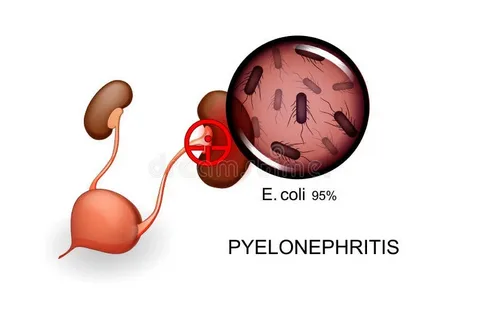
Most uncomplicated UTIs are caused by Escherichia coli (E. coli), although other bacteria may also be responsible. Effective treatment depends on identifying the infecting organism and determining which antibiotics are likely to work.
Traditional Diagnostic Methods
For decades, clinicians have relied on a combination of patient history, physical examination, and laboratory testing to diagnose UTIs.
Urinalysis
Urinalysis is often the first diagnostic step. It evaluates urine for signs of infection such as:
- White blood cells
- Nitrites
- Red blood cells
- Bacteria
Although urinalysis can suggest the presence of a UTI, it does not always identify the specific bacterial species involved.
Urine Culture
Urine culture remains the gold standard for confirming urinary tract infections. The test allows laboratories to grow bacteria from a urine sample and determine antibiotic susceptibility.
However, urine cultures typically require 24 to 72 hours to produce results. During this waiting period, patients are often treated empirically with antibiotics based on likely pathogens.
This delay can be problematic when resistant bacteria are present.
What Is Rapid Diagnostic Testing?
Rapid diagnostic testing refers to technologies that provide faster identification of infectious organisms and resistance patterns. These tests can significantly reduce the time needed to diagnose infections and guide treatment decisions.
In UTI Treatment Highland, rapid diagnostics are becoming increasingly valuable for improving clinical efficiency and enhancing patient care.
The primary goals of rapid testing include:
- Faster diagnosis
- Earlier treatment initiation
- Improved antibiotic selection
- Reduced treatment failure
- Better antimicrobial stewardship
Types of Rapid Diagnostic Tests
Several rapid diagnostic technologies are currently being used or studied in UTI management.
Point-of-Care Urine Testing
Point-of-care testing allows healthcare providers to analyze urine samples directly in clinics or urgent care settings.
Results are often available within minutes and can detect:
- Leukocytes
- Nitrites
- Blood
- Protein abnormalities
These tests provide immediate information that helps clinicians determine whether further evaluation is necessary.
Molecular Diagnostic Testing
Molecular tests use advanced techniques to detect bacterial DNA or RNA directly from urine samples.
Advantages include:
- Faster pathogen identification
- High sensitivity
- Ability to detect difficult-to-culture organisms
- Improved accuracy in complex cases
Some molecular platforms can identify bacterial species within a few hours rather than several days.
Polymerase Chain Reaction (PCR) Testing
PCR testing amplifies genetic material from bacteria, allowing extremely sensitive detection.
PCR-based diagnostics can identify multiple pathogens simultaneously and may detect infections even when bacterial counts are low.
This technology is increasingly being incorporated into UTI Treatment Highland protocols for patients with recurrent or complicated infections.
Benefits of Rapid Diagnostic Testing
Rapid diagnostics offer several important advantages over traditional testing methods.
Faster Treatment Decisions
The sooner a clinician identifies the cause of an infection, the sooner appropriate treatment can begin.
Early intervention often leads to:
- Faster symptom relief
- Reduced infection progression
- Lower complication rates
Patients benefit from receiving targeted therapies rather than broad-spectrum antibiotics whenever possible.
Improved Antibiotic Selection
Antibiotic resistance is a growing concern worldwide. Selecting the wrong antibiotic can lead to treatment failure and prolonged illness.
Rapid diagnostic tests help healthcare providers:
- Identify resistant organisms
- Avoid ineffective medications
- Optimize antibiotic use
This targeted approach improves treatment success rates and supports antibiotic stewardship initiatives.
Reduced Healthcare Costs
Faster diagnosis can decrease healthcare expenses by reducing:
- Repeat clinic visits
- Emergency department utilization
- Hospital admissions
- Additional diagnostic procedures
Effective early treatment often prevents infections from becoming more severe and costly to manage.
Managing Complicated UTIs
Rapid diagnostic testing is particularly valuable for complicated urinary tract infections.
Complicated UTIs may occur in patients with:
- Diabetes
- Kidney disease
- Catheters
- Structural urinary abnormalities
- Immunosuppression
These patients often face a greater risk of antibiotic resistance and treatment failure.
Rapid diagnostics allow healthcare providers involved in UTI Treatment Highland to identify high-risk infections quickly and adjust treatment plans accordingly.
Supporting Antibiotic Stewardship
Antibiotic stewardship focuses on using antibiotics responsibly to slow the development of resistance.
Rapid diagnostics play a major role in these efforts by helping clinicians:
- Avoid unnecessary antibiotic prescriptions
- Reduce broad-spectrum antibiotic use
- Select narrow-spectrum agents when appropriate
- Minimize resistance development
As antibiotic-resistant bacteria become more common, stewardship programs are becoming increasingly important in healthcare settings.
Challenges and Limitations
Despite their benefits, rapid diagnostic tests are not without limitations.
Some challenges include:
Cost
Advanced molecular testing can be more expensive than traditional methods.
Availability
Not all healthcare facilities have access to the latest diagnostic technologies.
Interpretation Requirements
Certain rapid test results require careful interpretation by trained healthcare professionals.
Continued Need for Cultures
Although rapid diagnostics provide valuable information, urine cultures often remain necessary for comprehensive susceptibility testing.
Therefore, rapid testing is generally viewed as a complement to traditional methods rather than a complete replacement.
The Future of UTI Diagnostics
Research continues to advance the field of urinary tract infection diagnostics.
Emerging innovations include:
- Artificial intelligence-assisted interpretation
- Next-generation sequencing
- Portable molecular testing devices
- Automated resistance prediction systems
- Biomarker-based diagnostics
These technologies may further improve the speed and accuracy of infection detection.
As diagnostic tools become more sophisticated, UTI Treatment Highland is likely to become increasingly personalized, enabling clinicians to tailor therapies based on each patient’s unique infection profile.
Conclusion
Rapid diagnostic testing is transforming urinary tract infection management by providing faster and more accurate identification of infectious organisms. Through technologies such as point-of-care testing, molecular diagnostics, and PCR analysis, healthcare providers can make informed treatment decisions much sooner than with traditional methods alone.
For patients seeking UTI Treatment Highland, rapid diagnostics offer the potential for earlier symptom relief, more effective antibiotic selection, reduced complications, and improved overall outcomes. As healthcare continues to evolve, these technologies will play an increasingly important role in delivering efficient, personalized, and evidence-based infection care.
FAQs
1. What is rapid diagnostic testing for UTIs?
Rapid diagnostic testing uses advanced technologies to identify infection-causing bacteria and sometimes antibiotic resistance patterns much faster than traditional urine cultures.
2. Can rapid testing replace urine cultures?
Not completely. Rapid testing provides valuable early information, but urine cultures are often still needed to confirm bacterial identification and determine full antibiotic susceptibility profiles.
3. How does rapid diagnostic testing improve UTI treatment?
Rapid diagnostics allow healthcare providers to identify infections sooner, choose more effective antibiotics, reduce treatment delays, and improve overall patient outcomes.