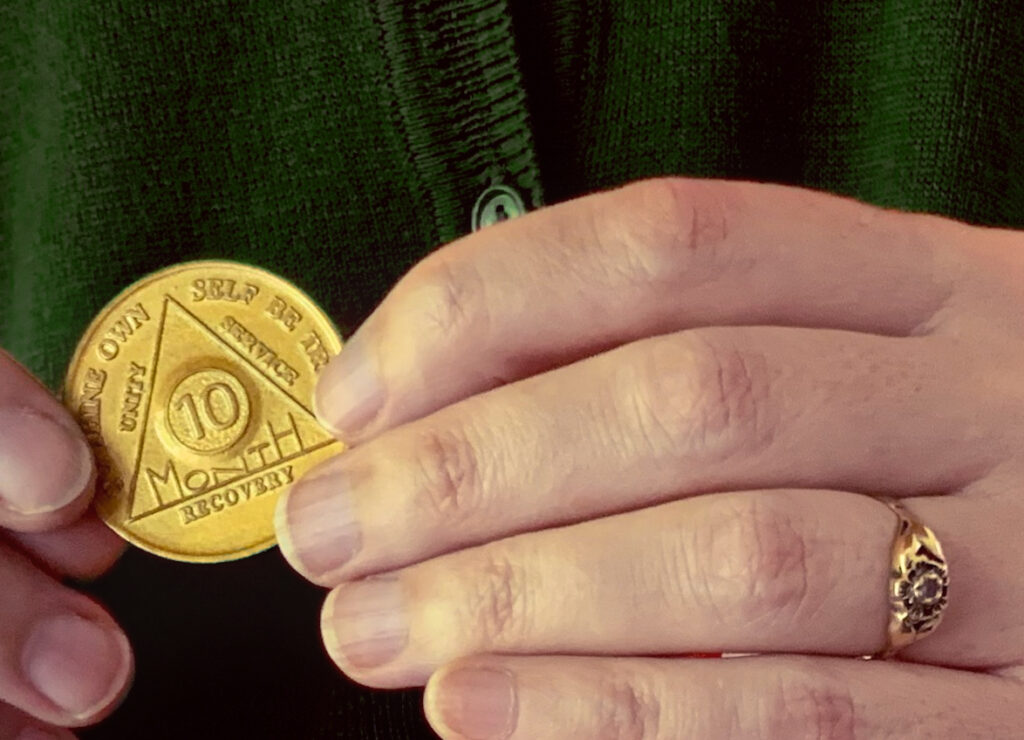
AA coins
People in recovery often receive tokens that mark their sobriety milestones and personal progress. These items hold emotional value because they represent commitment, support, and accountability. Many people use the terms “coins” and “medallions” interchangeably, although they have a few important differences. Understanding how these recovery tokens differ can help individuals choose the right option for personal use, gifting, or milestone celebrations.
What Are AA Coins?
AA coins are small recovery tokens that celebrate sobriety milestones in Alcoholics Anonymous programs. Members often receive them during meetings to recognize progress and encourage consistency in recovery. Many groups distribute coins for early milestones, including:
- 24 hours sober
- 30 days sober
- 60 days sober
- 90 days sober
These coins usually feature lightweight materials such as aluminum or plastic. Most designs include recovery slogans, the AA triangle symbol, or motivational phrases. Some members carry their coins daily because the tokens serve as reminders of their recovery goals. Sponsors also give AA coins to encourage accountability and continued participation in meetings.
What Are AA Medallions?
AA medallions also recognize sobriety milestones, though they often celebrate yearly anniversaries rather than shorter milestones. Many people choose medallions for long-term achievements because they feel more permanent and collectible. Medallions usually include:
- Bronze or brass materials
- Detailed engravings
- Roman numerals
- Anniversary dates
- Recovery prayers or symbols
The heavier design gives medallions a premium feel compared to standard coins. Many individuals keep these items for years because they reflect significant personal achievements in recovery.
Friends, sponsors, and family members also gift medallions during sobriety anniversaries because the tokens carry emotional meaning and long-term value.
Main Differences Between AA Coins and Medallions
Although both items represent milestones in sobriety, several features distinguish them.
Material and Design
AA coins often use lightweight materials and simpler designs. Medallions typically use brass or bronze with detailed artwork and engravings.
Purpose
Coins usually recognize early sobriety milestones, while medallions commonly celebrate yearly anniversaries and long-term progress.
Size and Weight
Medallions generally feel heavier and larger than coins. Many people value the stronger, more durable design.
Emotional Value
Both items carry personal meaning because they represent effort, discipline, and support for recovery from the AA community.
Why Do Sobriety Tokens Matter?
Recovery programs often rely on encouragement, routine, and community support. Sobriety tokens help reinforce those elements by providing visible reminders of progress.
Many people use these tokens to stay motivated during difficult periods. Holding a coin or medallion can remind individuals how far they have come and why consistency matters.
Sponsors also use tokens to recognize effort and celebrate milestones within the recovery community. This recognition can strengthen confidence and encourage long-term commitment to sobriety.
Conclusion
Both AA coins and medallions represent important recovery milestones, although they differ in design, purpose, and material. Coins often support early recovery goals, while medallions usually celebrate long-term sobriety anniversaries. Regardless of the format, these tokens remind individuals of their commitment, progress, and support system. For many people, the meaning behind the token matters more than its size or material.