Why IPL Playoff Cricket Is Strategically Different From League Matches
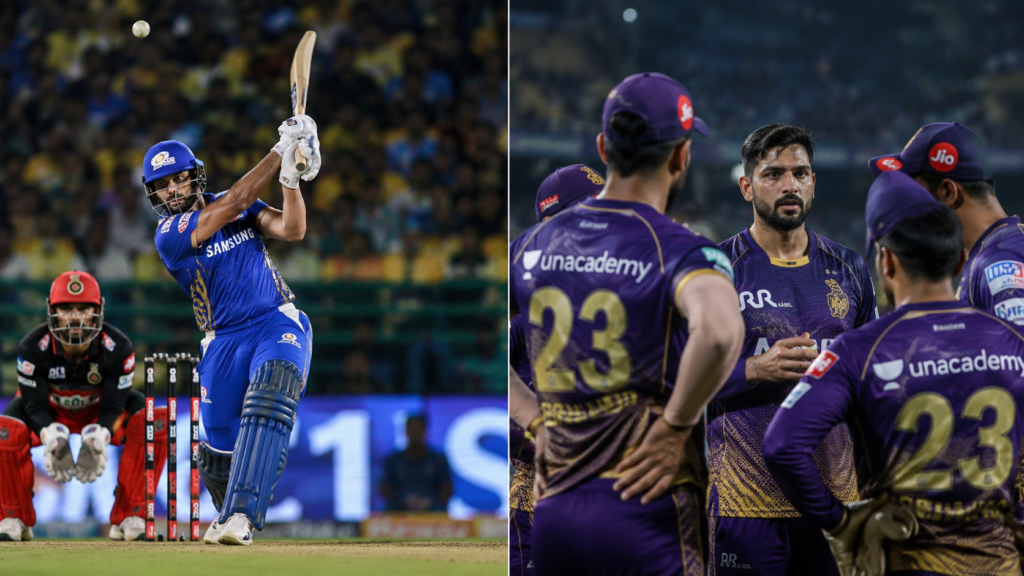
The Indian Premier League is one of the most competitive T20 tournaments in the world, but there is a massive difference between league-stage cricket and playoff cricket. During the league phase, teams have room for experimentation, recovery, and tactical adjustments across multiple matches. In the playoffs, however, every ball becomes more valuable because one mistake can end an entire season.
This pressure changes how teams think, how captains make decisions, how bowlers are used, and even how batters approach risk. IPL playoff matches are not just about talent; they are about tactical discipline, adaptability, and handling pressure better than the opposition.
The Pressure Factor Changes Everything
The biggest difference between league games and playoff matches is psychological pressure. In league matches, teams can afford an off day because there are still opportunities to recover in later games. A playoff match, especially an Eliminator or Final, offers no such luxury.
This pressure forces teams to play smarter rather than simply playing aggressively. Captains become more cautious with risky decisions, batters value wickets more carefully, and bowlers focus heavily on execution instead of experimentation.
A batter who normally attacks from ball one during the league stage may spend extra time settling in during a playoff game. Similarly, bowlers often prioritize disciplined lines and slower variations instead of trying overly ambitious deliveries.
The mental battle becomes just as important as technical skill.
Teams Study Opponents More Deeply
League-stage cricket involves constant travel and quick turnarounds, leaving limited time for detailed opponent analysis. In playoffs, teams spend far more time preparing for specific opponents.
Analysts break down:
- Batters’ weaknesses against spin or pace
- Preferred scoring areas
- Matchups against certain bowlers
- Strike-rate patterns under pressure
- Boundary percentages in specific overs
For example, if a batter struggles against left-arm pace in the powerplay, teams may redesign their bowling plans entirely around exploiting that weakness early.
Franchises now use advanced data analytics extensively during knockout matches. Matchups become central to strategy. Teams are no longer bowling according to fixed plans; they are bowling according to batter-specific weaknesses.
Captains Become More Conservative
During league matches, captains sometimes take experimental risks because the tournament is long. In playoff cricket, captains usually prefer stability over unpredictability.
This can be seen in:
- Safer field placements early in innings
- Reliance on experienced bowlers
- Reduced experimentation with batting orders
- More calculated use of all-rounders
Captains also become more reactive to momentum shifts. A single over can decide a playoff match, so tactical timeouts and bowling changes are managed with far greater precision.
Experienced leaders like MS Dhoni and Rohit Sharma have often succeeded in playoff cricket because of their calm decision-making under pressure rather than purely aggressive tactics.
Bowling Strategies Become More Defensive
In league matches, bowlers often attack aggressively for wickets because teams can recover later if plans fail. In playoff matches, containment becomes equally important.
Teams focus heavily on:
- Wide yorkers
- Slower bouncers
- Hard lengths into the pitch
- Boundary protection fields
- Matchup-based bowling rotations
Death-over specialists become even more valuable during playoffs because preventing boundaries matters more than taking risks for wickets.
Spinners are also used differently. Instead of merely attacking middle overs, they are strategically introduced against particular batters. Teams may even hold back a key spinner specifically for a dangerous left-hander.
Bowling plans become less predictable but more calculated.
Batting Approaches Become Situational
League-stage batting is often fearless and high-risk because teams want strong net run rates and explosive starts. In playoff matches, batting becomes more situational.
Instead of aiming for 220-plus totals, teams often focus on:
- Preserving wickets
- Building partnerships
- Timing acceleration correctly
- Avoiding collapses
Batters understand that scoreboard pressure in knockout matches can create panic. A controlled innings of 165 may become more dangerous than an ultra-aggressive 210 attempt that risks collapse.
This is why playoff cricket frequently produces slower starts but stronger finishing phases.
Middle-order batters also become more important because playoff matches often test recovery skills after early wickets.
Toss Decisions Carry Greater Importance
In knockout cricket, captains analyze pitch conditions more carefully than ever. Dew, pitch wear, weather, and pressure chasing all become major tactical considerations.
Many playoff matches are influenced by:
- Dew affecting spinners in second innings
- Slowing pitches favoring batting first
- Pressure of scoreboard chases
- Boundary dimensions
Captains may choose batting or bowling not because of their usual style but because of venue-specific playoff conditions.
At venues like Narendra Modi Stadium or MA Chidambaram Stadium, pitch behavior often shapes playoff strategies completely differently.
Experience Matters More in Playoffs
Young players often dominate league matches with fearless cricket, but playoff matches frequently reward experience.
Senior players understand:
- How to absorb pressure
- When to slow the game down
- How to manage momentum swings
- How to handle crowd intensity
This is why franchises heavily value players with knockout experience in international cricket or previous IPL playoffs.
Teams often trust experienced bowlers in crucial overs even if younger bowlers performed better statistically during the league phase.
Pressure handling becomes a tactical asset.
Teams Shorten Their Tactical Flexibility
League-stage cricket allows experimentation with combinations and impact substitutes. Playoff cricket reduces experimentation significantly.
Most teams settle on:
- Their best opening pair
- Trusted death bowlers
- Fixed finishing roles
- Stable batting order
Coaches avoid unnecessary tactical surprises unless conditions absolutely demand them.
The focus shifts from discovering combinations to maximizing reliability.
Fielding Intensity Increases Dramatically
One dropped catch or missed run-out can end a playoff campaign. Because of this, fielding intensity rises sharply in knockout matches.
Teams prepare extensively for:
- Boundary catching positions
- Relay throws
- Inner-ring pressure
- Saving twos
- Direct-hit opportunities
Fielding becomes a strategic weapon rather than just a supporting skill.
Playoff cricket often produces exceptional fielding efforts because players understand the cost of mistakes.
Tactical Timeouts Become Critical
During league matches, tactical timeouts are often routine discussions. In playoff matches, they become game-changing strategic moments.
Coaches and analysts use timeouts to:
- Reset player mindset
- Change batting plans
- Identify bowling matchups
- Slow opposition momentum
- Recalculate chase equations
These short breaks can completely alter the direction of a knockout game.
Momentum Becomes More Valuable Than Statistics
League matches are heavily influenced by long-term numbers and season trends. Playoff cricket is more emotional and momentum-driven.
A team entering playoffs with confidence often performs better than a statistically superior team carrying poor recent form.
Momentum shifts also become more dramatic within matches. One wicket, one catch, or one explosive over can transform the psychological balance instantly.
This is why playoff cricket often produces unexpected heroes and surprising outcomes.
Read More Latest Blogs
Conclusion
IPL playoff cricket is strategically different because the stakes transform every tactical decision. Teams become more analytical, captains become more calculated, and players adapt their natural styles to handle pressure.
Unlike league matches, where recovery is possible, playoff cricket demands near-perfect execution in every department. Batting becomes smarter, bowling becomes more disciplined, and fielding becomes sharper.
Ultimately, playoff success in the IPL is not just about talent or star power. It is about handling pressure, making better tactical decisions, and staying calm when the entire season depends on a few crucial moments.