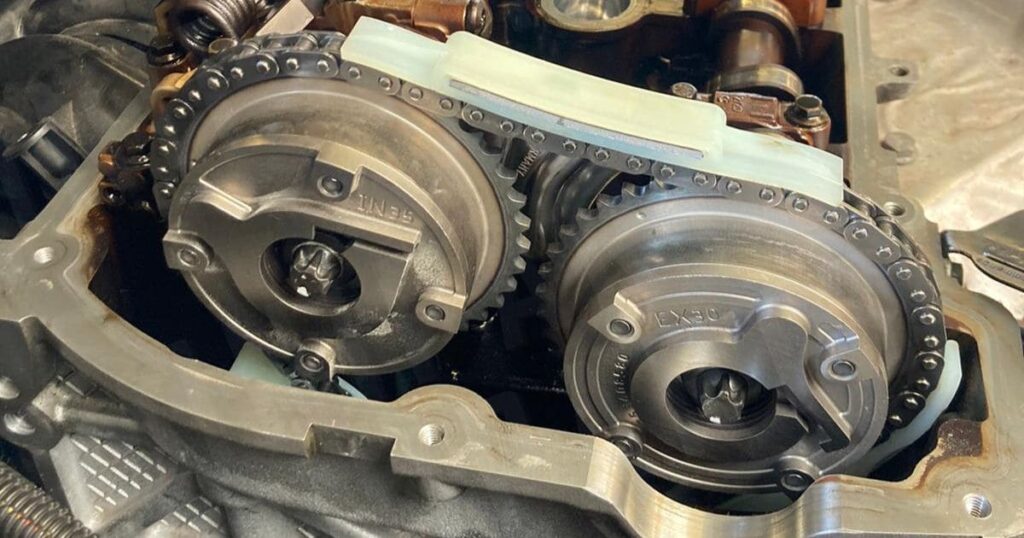
For many MINI owners, engine reliability becomes a concern once unusual rattling sounds, rough idling, or warning lights begin to appear. One of the most discussed maintenance topics among UK drivers is mini timing chain replacement, particularly in certain MINI Cooper and MINI Cooper S models known for timing chain wear. Understanding what a timing chain does, when it may need attention, and what replacement involves can help drivers avoid unexpected breakdowns and expensive engine damage.
A timing chain is responsible for keeping the engine’s internal components working in sync. When problems develop, early intervention often prevents larger mechanical failures. While timing chains are generally designed to last longer than timing belts, they are not immune to wear, especially in vehicles with inconsistent servicing histories.
Why Timing Chains Matter in MINI Vehicles
The mini cooper s timing chain replacement plays a critical role in engine timing by synchronising the crankshaft and camshaft. This ensures valves open and close at the right moment during combustion. If the chain stretches or loses tension, engine performance can suffer.
In several MINI models, particularly turbocharged variants, premature chain wear has been widely discussed among mechanics and owners alike. The issue is more noticeable in some older MINI Cooper and performance-focused versions where maintenance schedules may not always have been followed consistently.
A failing timing chain rarely breaks without warning. Instead, drivers may notice signs gradually appearing over time. Recognising these early symptoms can reduce the risk of major repairs.
Common warning signs include:
- A rattling noise during cold starts
- Reduced engine performance
- Misfiring or rough idling
- Engine warning lights
- Difficulty starting the car
Ignoring these symptoms could eventually result in internal engine damage if the chain slips or timing becomes misaligned.
Understanding Mini Timing Chain Replacement
A mini timing chain replacement usually becomes necessary when the chain has stretched, the tensioner has weakened, or associated components such as guides begin wearing out.
Unlike simpler maintenance jobs, replacing a timing chain is a labour-intensive process. Mechanics often need to access deep engine components, making precision essential. In many cases, the repair includes replacing not only the chain itself but also tensioners, guides, and seals to ensure long-term reliability.
For UK motorists, timing chain concerns often arise between 60,000 and 100,000 miles, although actual timing depends heavily on servicing habits, oil quality, and driving conditions.
Cars used mainly for short urban journeys may experience wear sooner because repeated cold starts can place extra stress on engine components.
Mini Cooper S Timing Chain Replacement: Why Performance Models Need Attention
The topic of mini cooper s timing chain replacement comes up frequently because performance-focused engines typically experience greater mechanical stress.
Turbocharged MINI Cooper S models often operate at higher temperatures and engine loads compared to standard variants. Over time, this added strain may contribute to faster wear on timing chain components.
For example, a driver regularly travelling on motorways at higher speeds may not notice early warning signs until fuel efficiency drops or engine noise becomes more obvious. In urban stop-start traffic, symptoms can appear differently, such as hesitation during acceleration or rough running.
Experienced independent garages often recommend checking timing chain health during routine servicing, especially if the vehicle belongs to an age range historically associated with chain issues.
In the UK automotive repair industry, workshops such as S&M Auto Service occasionally encounter MINI models where minor rattling noises turn out to be early timing chain tension problems rather than major engine faults. Early diagnosis often reduces overall repair complexity.
What Happens During a Mini Cooper Timing Chain Replacement?
A mini cooper timing chain replacement is far more detailed than many drivers expect. The process involves careful dismantling to access internal engine components while ensuring precise alignment during installation.
Typically, mechanics will:
- Remove engine covers and related components
- Inspect the chain, guides, and tensioner system
- Replace worn timing parts
- Reset engine timing precisely
- Reassemble and test engine performance
Even slight alignment errors can affect engine operation, which is why timing chain repairs are considered specialist mechanical work.
After replacement, many drivers notice smoother performance, quieter cold starts, and improved engine responsiveness.
Routine maintenance after replacement also matters. High-quality oil changes at recommended intervals can significantly extend timing chain life.
Timing Chain Replacement Cost in the UK
One of the most common questions drivers ask concerns timing chain replacement cost.
Costs vary depending on the MINI model, engine type, labour rates, and whether additional components require replacement. In the UK, repairs are often more expensive than expected because accessing the timing chain can require extensive dismantling.
Several factors influence cost:
- Engine complexity
- Labour hours required
- Replacement of tensioners and guides
- Oil system cleaning if contamination exists
- Regional garage pricing differences
Although replacement may seem costly initially, postponing repairs can lead to more expensive consequences if engine timing fails completely.
For example, if a stretched timing chain slips while driving, valves and pistons may collide internally, leading to severe engine damage that costs substantially more to repair.
This is one reason mechanics often stress preventative maintenance over reactive repairs.
Replacing Timing Chain Problems Before They Escalate
When it comes to replacing timing chain components, timing matters just as much as the repair itself.
Drivers sometimes ignore unusual engine noises because the car still appears to drive normally. However, timing chain wear can progress quietly before symptoms become obvious.
Consider a MINI owner hearing occasional rattling during morning starts. Because the sound disappears after a few minutes, they may assume it is harmless. Months later, engine performance worsens and diagnostic tests reveal stretched timing components requiring urgent repair.
This gradual pattern is common.
Preventative inspections can help identify early wear before complete replacement becomes urgent. Mechanics may check oil condition, chain tension, engine timing readings, and fault codes to evaluate overall system health.
Maintaining proper oil levels is also important. Since timing chains rely heavily on engine lubrication, neglected oil changes can increase friction and accelerate wear.
For used MINI buyers in the UK, service history should always be reviewed carefully. Evidence of consistent oil servicing may indicate lower timing chain risk.
Conclusion
For UK drivers, understanding mini timing chain replacement helps make sense of one of the more complex maintenance concerns associated with some MINI models. Timing chains are designed for durability, but wear can still develop over time due to mileage, servicing habits, or engine stress.
Whether discussing mini cooper s timing chain replacement, assessing mini cooper timing chain replacement, or simply understanding timing chain replacement cost, early awareness remains valuable. Small warning signs such as rattling noises or rough running should not be overlooked.
Viewed from a long-term ownership perspective, informed maintenance decisions often protect engine reliability and reduce the chance of unexpected mechanical problems later on.