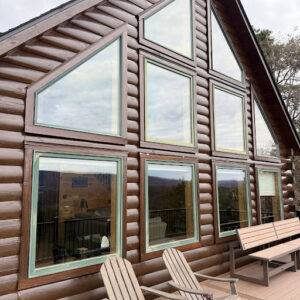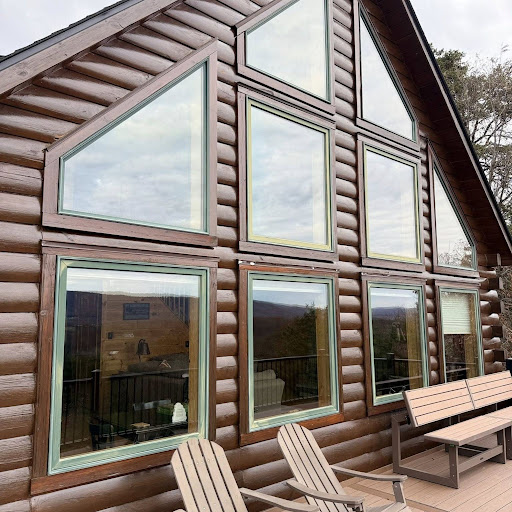
Log cabins look tough. And they are, to a point. But wood is still wood. Leave moisture sitting too long, ignore a leak, skip maintenance for a couple years, and things start going bad fast. That’s usually when homeowners realize they need to repair log cabin rot before the damage spreads deeper into the structure. The tricky part is, rot doesn’t always show itself right away. Sometimes the outside looks fine while the inside is soft as bread.
Truth is, a lot of people wait too long. They notice a little discoloration or a soft spot near the base logs and think it’s no big deal. Then one rainy season later, entire sections are crumbling apart. Seen it happen more times than I can count. The good news though, most rot problems can be fixed if you catch them early enough and use the right approach. Not shortcuts. Actual repair methods that hold up.
Understanding What Causes Log Cabin Rot
Rot usually starts with moisture. Simple as that. Water gets trapped somewhere it shouldn’t. Maybe gutters overflow. Maybe splashback from the ground keeps soaking the lower logs. Sometimes it’s poor chinking or caulking. Other times the stain failed years ago and nobody noticed.
Wood-decay fungi thrive in damp conditions. Once moisture content stays high for long enough, the fungi spread through the fibers and start breaking down the wood itself. That’s why rotted logs feel spongy or weak. It’s not surface damage anymore at that point. The structure starts losing strength.
And here’s the thing people forget. Sun damage makes it worse too. UV rays dry out protective finishes, causing cracks. Those cracks let water sneak in. Small problem becomes a big one. Happens slowly. Then suddenly.
Signs Your Log Home Needs Immediate Attention
Some warning signs are obvious. Others aren’t. Soft wood is a dead giveaway. Same with dark staining, crumbling corners, or logs that hold moisture long after rain. But there are sneakier clues too.
If you tap a log with a hammer and hear hollow spots, pay attention. Insect activity near damp wood is another red flag. Carpenter ants and beetles love weakened timber. You might also notice drafts around damaged sections because rot can open gaps in the structure.
Let’s be real, if you can push a screwdriver deep into a log with almost no pressure, you’ve got a problem. And waiting won’t save money. It usually doubles the repair bill later.
Cutting Out and Replacing Rotted Logs
For severe damage, full log replacement is often the best route. Not glamorous, but necessary sometimes. Contractors usually remove the rotted section completely and install a matching replacement log. The key word there is matching. Species, size, profile, moisture level — all of it matters.
A sloppy replacement sticks out visually and structurally. You don’t want that.
The damaged wood has to go entirely. Leaving partially rotted fibers behind is asking for future decay. Once the area is cleaned out, the new section gets secured, sealed, and blended into the wall system. Good repairs should almost disappear visually when finished right.
This method costs more upfront, yeah. But if structural integrity is compromised, patch jobs won’t cut it.
Using Epoxy Wood Restoration for Smaller Areas
Now, not every rotten spot means replacing an entire log. Smaller sections can often be repaired using epoxy systems designed for wood restoration. This works especially well on checks, corners, window edges, or isolated decay areas.
The process is pretty straightforward. Remove the soft material first. Dry the area fully. Then apply wood hardener followed by structural epoxy filler. Once cured, it can be sanded and shaped to match the original log profile.
But here’s where people mess up. They rush drying time. If moisture stays trapped underneath, the repair eventually fails. Epoxy isn’t magic. It needs stable, dry wood to bond properly.
Still, for moderate damage, this method works surprisingly well and saves original material.
Protecting Log Structures from Future Moisture Damage
Repairing rot is only half the battle. If moisture problems stay unresolved, the decay just comes back. That’s why prevention matters more than people think.
Start with drainage. Water should move away from the cabin, not toward it. Gutters need proper extensions. Landscaping should slope outward. Ground contact with logs is a huge mistake too. Lower logs need breathing room.
Overhangs matter more than folks realize. A cabin with deep roof overhangs usually lasts longer because rain stays off the walls. It’s simple physics really.
Then there’s sealing and staining. Good stain systems repel water while still allowing logs to breathe. Cheap coatings tend to trap moisture inside. That’s bad news. Maintenance coats every few years can literally add decades to a cabin’s lifespan.
Why Regular Inspections Save Thousands
Most major rot repairs could’ve been prevented with routine inspections. That’s the frustrating part. People spend hundreds of thousands building a log home, then ignore maintenance until there’s visible damage everywhere.
Walk around the cabin twice a year. Spring and fall. Check the lower logs carefully. Inspect around windows, doors, decks, and roof intersections. Those spots fail first most of the time.
Look for cracking sealant, peeling stain, water streaks, or fungal growth. Catching problems early changes everything. A small repair today might cost a few hundred bucks. Ignore it for five years and suddenly walls are being rebuilt.
The short answer is this — maintenance is cheaper than restoration. Every time.
Professional Repairs vs DIY Log Restoration
Some homeowners can handle minor fixes themselves. Cleaning, sealing, maybe basic epoxy work. Sure. But structural repairs are different. They require experience, proper lifting equipment sometimes, and an understanding of how log systems carry weight.
I’ve seen DIY repairs actually trap more moisture inside the wall because the wrong products got used. Happens constantly.
When it comes to repairing rotted logs log home owners really need to know their limits. There’s no shame in hiring professionals for complex damage. In fact, it usually protects the investment better long term. A poorly repaired log can fail again within a couple seasons if the root issue wasn’t handled correctly.
And honestly, some repairs look easy online until you’re halfway into the wall realizing the damage runs deeper than expected.
Conclusion
Log cabins are built to last, but they’re not maintenance-free. Water, sun, insects, and time all work against exposed wood structures. The good part is, rot problems are manageable when addressed properly and early enough.
Whether it’s replacing damaged logs, using epoxy restoration methods, or improving drainage around the property, the goal stays the same — stop moisture and protect the wood before structural damage spreads. That’s really what long-lasting log home care comes down to.
A well-maintained cabin can stand strong for generations. But ignoring small warning signs? That’s usually where expensive trouble starts.