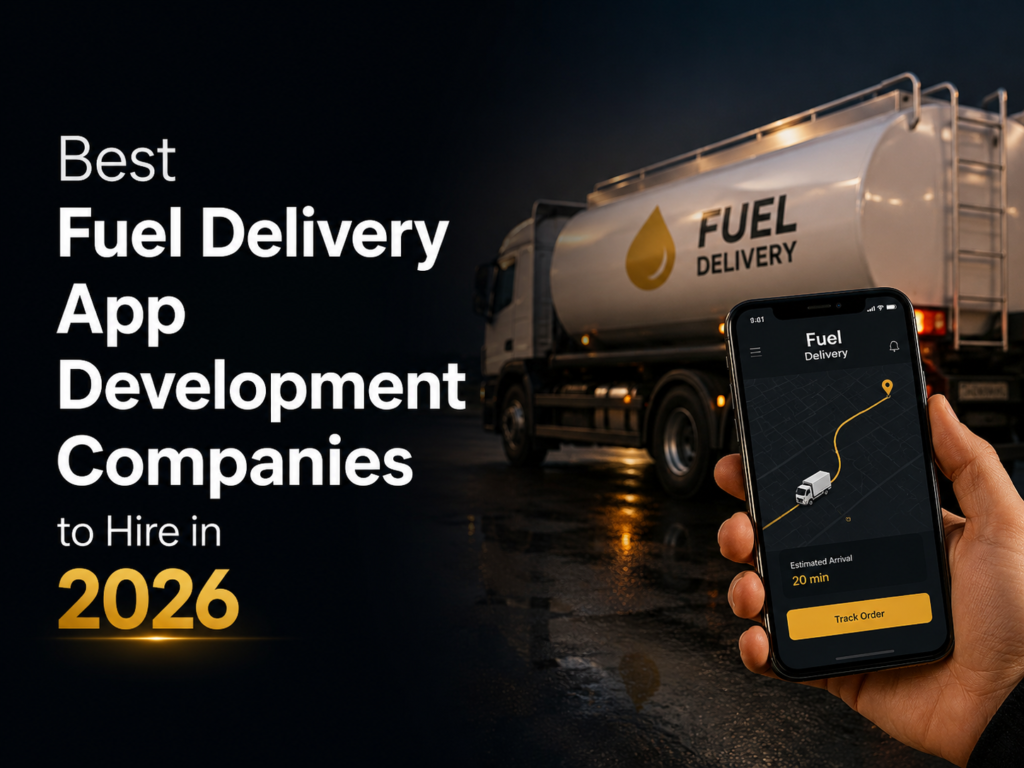
The fuel delivery industry is transforming rapidly. Businesses no longer rely only on traditional fuel stations when mobile-based fuel ordering platforms are creating a more efficient and customer-friendly ecosystem. In 2026, enterprises across logistics, fleet management, construction, agriculture and retail sectors are investing heavily in smart fuel delivery applications.
The growing demand has also increased the search for reliable fuel delivery app development companies capable of building scalable and secure digital platforms. Businesses want applications that combine real-time tracking, seamless payments, automated dispatching, route optimization and compliance management without compromising user experience.
Finding the right development partner matters more than ever because a fuel delivery platform handles sensitive customer data, location intelligence, operational logistics and financial transactions simultaneously. A weak development strategy can create delays, operational risks and compliance issues.
The companies listed below stand out because of their experience, innovation, industry understanding and ability to deliver scalable fuel delivery platforms for modern businesses.
Fuel Delivery App Market Growth in 2026
The on-demand economy has reshaped consumer expectations. Customers now expect fuel delivery with the same convenience as food or grocery delivery. Businesses managing commercial fleets are also reducing operational downtime by using mobile fuel delivery systems.
Several market indicators are driving this growth:
- Rising fuel logistics automation
- Increased smartphone penetration
- Demand for doorstep fuel services
- Smart fleet management adoption
- Expansion of digital payment systems
- Growth in commercial transportation industries
A modern fuel delivery app development company understands these market shifts and creates applications designed for operational efficiency and customer retention.
Industry analysts predict strong growth in mobile fuel delivery services throughout 2026 because urban transportation systems and commercial businesses continue prioritizing convenience and operational savings.
Essential Features Modern Fuel Delivery Apps Require
A successful fuel delivery platform operates like a digital control tower. Every module must work together smoothly to avoid delays, fuel wastage or customer dissatisfaction.
Customer-Side Features
Customers expect fast, intuitive and reliable experiences. Essential features include:
- Easy registration and login
- Real-time fuel ordering
- Live delivery tracking
- Multiple payment methods
- Push notifications
- Order history
- Subscription plans
- Emergency fuel requests
Businesses investing in custom fuel delivery app development services often request loyalty programs and AI-powered recommendations to improve customer retention.
Driver and Delivery Features
Drivers represent the operational backbone of the platform. Important capabilities include:
- Route optimization
- Navigation support
- Fuel inventory updates
- Delivery verification
- GPS tracking
- In-app communication
- Shift management
Without these systems, delivery operations can quickly become chaotic, especially during peak demand hours.
Admin Dashboard Features
The admin panel acts like the cockpit of the entire platform. Key features include:
- Fleet monitoring
- User management
- Revenue analytics
- Fuel pricing control
- Real-time dispatching
- Delivery performance reports
- Compliance management
- Fraud monitoring
Strong admin infrastructure separates average apps from enterprise-grade solutions.
Best Fuel Delivery App Development Companies to Hire in 2026
1. Suffescom Solutions
Suffescom Solutions remains one of the most recognized names in the fuel delivery technology market. The company delivers advanced on-demand applications tailored for startups, enterprises and logistics operators.
Its expertise includes:
- AI-powered dispatch systems
- Real-time fuel tracking
- Fleet management integrations
- Multi-platform app development
- Scalable cloud architecture
The company focuses heavily on operational automation and user-friendly interfaces. Businesses looking for enterprise-level scalability often consider Suffescom Solutions because of its ability to manage complex workflows.
Their strong portfolio in mobility and logistics applications positions them among the leading fuel delivery app development providers in 2026.
2. RisingMax Inc
RisingMax Inc has built a strong reputation for creating intelligent mobility platforms and fuel logistics systems. The company combines UI/UX expertise with scalable backend architecture.
Core strengths include:
- Cross-platform application development
- IoT-enabled delivery systems
- Real-time analytics dashboards
- Secure payment integrations
- API-driven architecture
RisingMax Inc serves businesses looking for highly customized applications designed for rapid growth. Their development strategy focuses on performance optimization and operational transparency.
The company is also recognized for delivering reliable fuel delivery app development solutions tailored for commercial fleet businesses.
3. Cubix
Cubix is known for delivering high-performance mobile applications across logistics and transportation sectors. Its fuel delivery solutions support both B2B and B2C business models.
Key highlights include:
- Advanced route optimization
- Cloud-native infrastructure
- AI-powered analytics
- Driver management systems
- Enterprise scalability
The company emphasizes user-centric designs combined with operational efficiency, making it a preferred option for businesses entering the on-demand fuel market.
4. Quytech
Quytech specializes in mobility-based applications supported by AI, blockchain and cloud technologies. The company offers tailored fuel delivery solutions for businesses seeking operational intelligence.
Notable capabilities include:
- Predictive analytics
- Smart inventory systems
- GPS-based dispatching
- Automated scheduling
- Real-time notifications
Its innovation-driven development model makes it suitable for enterprises focused on digital transformation.
5. Emizen Tech
Emizen Tech delivers robust logistics and transportation applications with strong backend architecture and seamless integrations.
Popular services include:
- Mobile wallet integration
- CRM connectivity
- Cloud deployment
- Fleet tracking systems
- Multi-language support
The company serves startups and mid-sized enterprises aiming to streamline fuel distribution operations efficiently.
6. AppsChopper
AppsChopper focuses on enterprise-grade mobility solutions designed for scalability and operational control.
Major strengths include:
- Secure payment gateways
- Enterprise dashboards
- AI route management
- Android and iOS development
- Maintenance support
Businesses looking for long-term digital transformation strategies often consider AppsChopper for its stability and post-launch support capabilities.
7. Hyperlocal Cloud
Hyperlocal Cloud has emerged as a specialized player in the on-demand delivery ecosystem. Its expertise in hyperlocal logistics helps fuel delivery businesses to improve speed and customer convenience.
Core offerings include:
- Geo-location intelligence
- Real-time delivery systems
- Smart dispatch modules
- Subscription fuel delivery models
- Analytics integration
The company is increasingly recognized among the top fuel delivery app development services providers because of its niche experience in local delivery operations.
8. AppVerticals
AppVerticals delivers modern mobility applications with strong design architecture and scalable infrastructure.
Key features include:
- Interactive UI/UX
- Real-time order tracking
- Secure admin controls
- Fleet coordination systems
- Custom analytics modules
The company works with businesses seeking visually appealing yet operationally powerful applications.
9. TechGropse
TechGropse combines innovative design strategies with scalable cloud infrastructure to develop reliable fuel delivery systems.
Its development capabilities include:
- IoT integration
- GPS-enabled tracking
- CRM implementation
- Cloud deployment
- Performance optimization
The company also provides consultation for businesses planning to launch new on-demand fuel startups.
10. Space-O Technologies
Space-O Technologies delivers scalable mobile applications focused on logistics and automation.
Its services include:
- Custom mobile app development
- Backend infrastructure management
- Payment gateway integration
- Real-time monitoring systems
- Maintenance and upgrades
The company’s experience in mobility applications makes it suitable for businesses aiming to build large-scale delivery ecosystems.
Factors That Separate High-Quality Development Companies
Choosing among multiple vendors can feel like searching for the right engine for a race car. The external appearance may look similar, but performance determines long-term success.
Technical Expertise
Top developers build systems capable of handling:
- High user traffic
- Real-time location tracking
- Secure payment processing
- Automated dispatching
- Cloud scalability
A reliable fuel delivery app development solutions provider also prioritizes API flexibility for future integrations.
Compliance and Security Standards
Fuel delivery platforms operate within strict legal and safety frameworks. Development companies must understand:
- Fuel transportation regulations
- Data protection laws
- PCI DSS payment security
- GPS compliance standards
Ignoring compliance can create operational and legal risks.
Scalability and Cloud Integration
Scalable cloud infrastructure allows businesses to grow without rebuilding the entire system.
Important cloud capabilities include:
- Auto-scaling servers
- Backup systems
- Disaster recovery
- Multi-region deployment
- Performance optimization
Modern businesses prefer developers capable of building enterprise-grade cloud ecosystems.
Fuel Delivery App Development Trends in 2026
Technology is changing fuel delivery faster than many expected. Emerging innovations are reshaping operational efficiency and customer experiences.
AI-Based Route Optimization
AI-powered routing systems reduce fuel wastage, delivery time and operational costs. These systems analyze:
- Traffic conditions
- Weather patterns
- Delivery priorities
- Vehicle performance
This growing fuel delivery app development trend is helping businesses improve profit margins significantly.
IoT Fuel Monitoring
IoT sensors help monitor:
- Fuel levels
- Tank pressure
- Leakage risks
- Delivery accuracy
Real-time monitoring improves transparency and operational safety.
Contactless Fuel Delivery
Consumers increasingly prefer touchless service models. Features supporting contactless delivery include:
- QR code verification
- Digital invoices
- Mobile wallet payments
- Automated notifications
These capabilities improve customer trust and operational convenience.
Estimated Cost of Fuel Delivery App Development
The development cost depends on features, complexity and platform requirements.
Estimated pricing ranges:
| App Type | Estimated Cost |
| Basic MVP | $10,000 – $20,000 |
| Mid-Level Application | $20,000 – $30,000 |
| Enterprise-Grade Platform | $30,000 – $40,000+ |
Businesses seeking advanced fuel delivery app development services often invest more in AI, analytics and IoT integrations.
Several factors influence total development cost:
- Number of platforms
- UI/UX complexity
- API integrations
- Cloud hosting
- Security requirements
- Maintenance support
Mistakes Businesses Make While Hiring Developers
Many businesses focus only on pricing and overlook long-term operational requirements.
Common hiring mistakes include:
- Ignoring scalability
- Choosing inexperienced vendors
- Overlooking compliance expertise
- Weak post-launch support planning
- Poor UI/UX prioritization
- Lack of analytics integration
A low-cost solution may eventually create higher operational costs because of poor architecture or limited scalability.
Industries Investing in Fuel Delivery Applications
Fuel delivery apps are no longer limited to startups. Several industries are actively investing in digital fuel logistics platforms.
Major sectors include:
- Transportation and logistics
- Construction
- Agriculture
- Mining
- Fleet management
- Marine operations
- Emergency services
The growing adoption across industries continues expanding the global fuel delivery app development companies list every year.
Conclusion
Fuel delivery applications are becoming essential tools for businesses aiming to improve operational efficiency, customer convenience and delivery automation. The companies leading the market in 2026 combine technical innovation, scalability, security and mobility expertise to create enterprise-ready platforms.
Suffescom Solutions and RisingMax Inc continue holding strong positions because of their advanced logistics expertise and scalable infrastructure capabilities. Hyperlocal Cloud also stands out for its specialized focus on hyperlocal delivery ecosystems.
Businesses planning to enter the fuel delivery industry should focus on long-term scalability, compliance readiness, cloud infrastructure and operational automation instead of selecting developers based solely on development cost.
The future of fuel delivery belongs to intelligent, automated and data-driven mobile ecosystems capable of supporting fast-growing on-demand markets.
FAQs
What is the average timeline for fuel delivery app development?
Most fuel delivery applications require between 3 to 9 months, depending on feature complexity, integrations and testing requirements.
Which technologies are used in fuel delivery apps?
Popular technologies include AI, IoT, cloud computing, GPS tracking, blockchain, React Native, Flutter, Node.js and AWS cloud infrastructure.
Are fuel delivery applications secure for online payments?
Yes, modern fuel delivery apps use encrypted payment gateways, PCI DSS compliance standards, multi-factor authentication and secure cloud infrastructure.
Can startups afford custom fuel delivery apps?
Startups often begin with MVP-based applications to reduce initial investment costs and later scale features according to business growth.