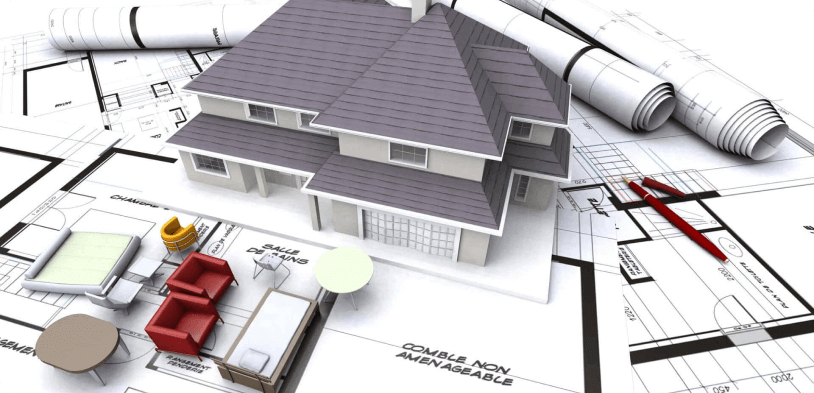
Putting together buildings often feels like solving a massive jigsaw. If even one part sits wrong, schedules slip, mix-ups grow, costs climb. Expert drafters help steady the process. Architects rely on them. So do builders, engineers, even people fixing up their homes. Clear blueprints emerge. Ideas take shape through precise diagrams made by skilled hands.
Most folks head online now, typing “drafting companies near me” when they need someone skilled at making precise, buildable plans. Whether it’s a small house or a sprawling office complex, these drawing experts quietly shape how structures come together. Start off wrong here, and big dreams might fall apart long before any foundation goes down.
Professional Drafting Companies Explained
Out there, some firms focus only on making detailed plans. Not just sketches – these are precise guides for buildings, machines, or systems. Each line has meaning. Imagine blueprints that speak without words. They show exactly how things fit together. Instead of guessing, workers follow these maps. From first idea to finished product – they stay in step. A model appears on screen before anything gets built. Mistakes get caught early. Time saves itself. Accuracy becomes normal. Projects move smoother because someone planned every angle.
Starting out, these businesses team up with builders, property creators, design planners, along with material makers. Clear intent guides them – shaping vague ideas into precise blueprints anyone can follow.
Architectural Drafting Services
Floor Plan Drafting
Starting at the base, every build relies on a floor plan. Instead of guessing, specialists draw exact outlines that include sizes of rooms, where walls go, door positions, window spots, plus how furnishings fit. Seeing it first lets future users picture life inside once built.
Elevation and Section Drawings
From various angles, elevation drawings capture how a building looks on the outside. Meanwhile, sections cut through to expose what hides within. One shapes visual impact, the other clarifies construction logic. Together they guide design and build decisions without confusion.
3D Architectural Visualization
Some today’s design firms offer lifelike 3D visuals along with plans. Rather than guessing how a structure looks from paper drawings, customers view detailed virtual versions. Almost as if peering ahead at what’s still being built.
Structural Drafting Services
Steel Detailing
From beams to connections, steel detailing creates precise plans for each part. Construction moves smoothly when every piece lines up just right. Accurate drawings guide how components come together on site.
Concrete Detailing
Starting off, concrete detailing deals with how steel bars are placed, their bend patterns, also what parts make up the structure. When done right, it boosts durability while lowering risks on site.
Roof Truss Design
Starting at the top, roof truss design stands out among services provided by drafting companies. These frameworks carry the entire roof, spreading pressure steadily through walls below. When drawn correctly, they hold up well over time, managing stress without weak points forming later on. Precision in planning means even weight sharing, fewer risks down the road.
CAD Drafting and Design Services
2D CAD Drafting
Out of ink? No problem – digital lines stay sharp forever. Mistakes vanish with a click instead of messy erasing.
3D CAD Modeling
Out in the open, 3D shapes give designs a fuller look. Because they can see flaws early, builders rely on them before breaking ground. Fixing something inside software costs far less once walls go up.
CAD Conversion Services
Old sketches on paper? Some firms turn those, along with PDFs, into digital CAD versions. Outdated blueprints get a second life – easier to tweak, simpler to track during work.
Mechanical and Electrical Drafting
HVAC Drafting
From sketching out heating setups to mapping how fresh air moves through a space – drafting covers it all. When done right, these blueprints help rooms breathe better while using less power.
Electrical Layout Drafting
From sketching circuits to mapping out lights – plans shape how wires travel through walls. When details are clear, those who install them move without delay. Placing switches here or there follows a logic drawn ahead of time. Power flows right when paths are defined on paper first.
Plumbing Drafting
Pipes for water flow, waste removal, and layout plans form the core of plumbing design work. Mistakes during setup or upkeep drop sharply when sketches are easy to follow.
Shop Drawings and Construction Documentation
Construction teams rely on shop drawings to see exactly how parts come together. From start to finish, these plans spell out sizes, what stuff is made of, steps for putting pieces in place, also how things link up. Precision matters because workers follow them right where building happens.
Starting off, pro drafters put together full sets of build plans needed to get official approvals. These papers make certain everything follows area rules for structures. When missing, work might stall or run into legal trouble instead.
BIM Modeling Services
Clash Detection
Picture this: a ventilation duct cutting right through a steel support, spotted only once everything is already built – total chaos. Teams can catch these conflicts early when they use Building Information Modeling. Instead of waiting until walls are up, problems show themselves during planning. Mechanical, structural, and electrical parts get checked together, long before ground is broken. That means fewer expensive fixes later on.
Coordination Between Teams
Starting fresh each time, BIM links architects, engineers, contractors through one shared digital version. Because all see identical details, mix-ups drop off along with late-stage hiccups.
Drafting Services for Renovation and Remodeling
Starting a renovation means thinking ahead, much like building something fresh. Instead of guessing, firms that specialize in design work out floor plans, show where walls come down, and map how rooms will shift – whether it is for living areas, workplaces, or stores.
Homeowners exploring changes to living spaces find sketches make it easier to picture extended rooms, updated kitchens, or finished basements. When updating business properties, detailed layouts become essential – rules around access and emergency exits shape how designs unfold.
Why Businesses Use Outside Drafting Services
Accuracy and Precision
When drawings are done carefully, small mistakes happen less often. Better precision shows up as cleaner results on site.
Faster Project Completion
When plans are clear, jobs move faster. Knowing every step helps builders plus designers stay on track without delays.
Cost Savings
Costly errors pop up often during building work. When problems get spotted sooner by drafters, delays shrink alongside expenses. Spending on solid drafting now blocks big money troubles down the road.
Choosing a Drafting Company
Start by looking at how clearly they communicate their process. A good fit often shows in the first conversation – notice if it feels smooth or forced. Their portfolio might tell you more than words; examine past work like clues. Price matters, but so does timing – slowness now could cost later. Trust builds slowly, yet vanishes fast when promises aren’t kept. Experience counts, though sometimes fresh eyes spot what others miss. Feedback from old clients? That’s gold, if real. Matching vision is quiet magic – not loud, just there
- Review their portfolio and past projects
- Look into past work within your field
- Ask about software and technology they use
- Evaluate communication and turnaround time
- Look for companies with strong client reviews
Working well together matters most when picking a team to draw up plans. What you want is someone who acts like they’re in it with you, not just doing a job.
Conclusion
Out of nowhere, precise drawings shape how buildings come together. When plans shift from idea to blueprint, it is skilled drafters who make things clear. Instead of guesswork, there are detailed visuals guiding every beam and wall. With accuracy in focus, models emerge that match real world needs. Construction moves forward because documents already mapped the path.
Out here in the world of quick-build sites, getting things right down to the millimeter counts. Clear drawings mean fewer mix-ups between teams, less waste from errors, fewer delays – projects flow better when plans speak clearly. When it comes to erecting something fresh, fixing up old structures, or tackling large-scale industrial work, teaming up with pros who know drafting inside out often trims hours off schedules, cuts budget leaks, eases pressure across the board.
FAQs
1. What industries use drafting services?
From blueprints to floor plans, drafting shows up in how buildings go up, machines get built, spaces take shape. Architects lean on it. So do engineers shaping infrastructure or factories tuning production lines. Real estate projects rely on precise drawings before ground breaks. Inside homes and offices, layout ideas turn into measurable designs. Even product makers use detailed sketches to guide creation.
2. Importance of CAD Drafting Services?
With CAD drafting, mistakes drop off fast because precision comes built in. Revisions happen quicker than before since changes snap into place without starting over. Digital plans look sharp, clean, ready – shared across teams like messages. Editing feels smooth, almost effortless, file after file.
3. What is included in structural drafting?
Starting off with steel work, structural drafting covers how beams are placed across a building. Moving into materials, concrete gets its own set of rebar sketches showing placement inside slabs. You will find layout maps that guide where each support beam goes on site. Foundation designs appear next, drawn out so workers know footing shapes and sizes. Lastly come the joints – how pieces link together – with exact specs shown clearly.
4. How do drafting companies help construction projects?
With precise technical drawings in place, teamwork flows better because missteps drop off sharply while projects move forward without constant hiccups. What stands out is how clarity spreads across groups when details align correctly from the start. Mistakes fade into background noise once everyone works from the same clear blueprint. Progress feels steady, almost quiet, when nothing derails momentum unexpectedly.
5. What software do professional drafting companies use?
Software such as AutoCAD helps most drafting firms handle design tasks. Revit appears often in workflows focused on building models. Drafters rely on SolidWorks when precision matters. SketchUp shows up where quick visual ideas are needed. BIM platforms link data across teams during development.