Why Grocery Store Greens Often Go To Waste
A lot of healthy eating plans die quietly inside the refrigerator drawer.
People buy spinach with good intentions. Kale too. Maybe arugula if they’re feeling ambitious that week. Then work piles up, schedules shift, exhaustion kicks in, and suddenly those greens turn soggy before anybody touches them. Happens constantly.
That’s one reason dried microgreens powder started catching attention. It removes the whole spoilage problem. No washing. No chopping. No guilt from throwing out another bag of forgotten vegetables four days later.
The convenience feels almost boring honestly, but boring routines usually last longer than complicated ones.
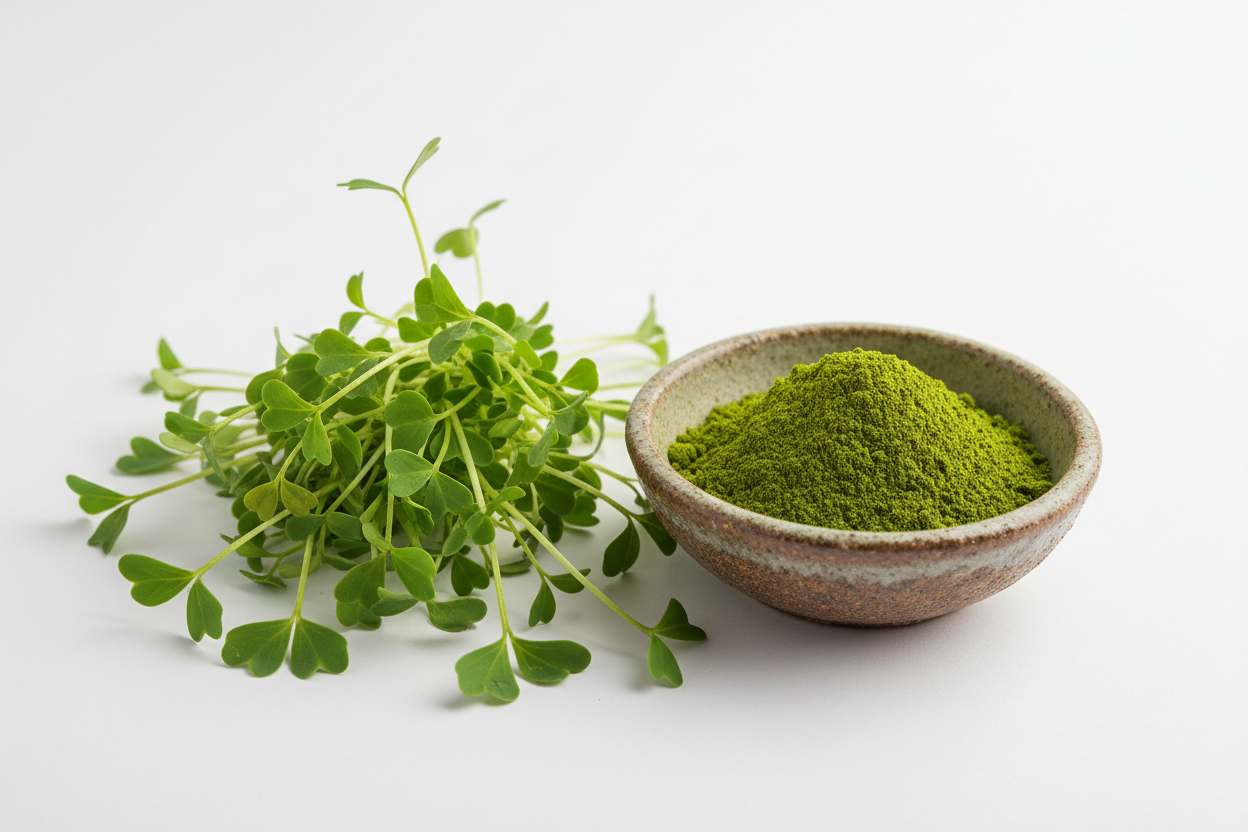
What Makes Microgreens Different From Mature Vegetables
Microgreens aren’t just tiny vegetables for fancy restaurant plates. They’re harvested during the early growth stage when the plant is still young and concentrated.
That early phase matters.
The flavor tends to be sharper, sometimes peppery depending on the plant. Nutrient levels can also be surprisingly dense compared to fully grown vegetables. Red cabbage microgreens feel different from sunflower shoots. Broccoli sprouts bring their own profile entirely.
When these greens get turned into microgreens powder, the goal is preserving those nutrients while making them easier to consume daily. Some companies handle that process carefully. Others don’t. Big difference there.
Cheap powders usually show up in the taste first.
Why Dried Microgreens Powder Appeals To Busy Parents
Parents are exhausted. That’s basically the entire section.
Trying to feed kids properly every single day turns into chaos fast. One child refuses anything green. Another suddenly hates textures they loved last week. Dinner becomes negotiations instead of meals.
So some parents quietly mix dried microgreens powder into smoothies, pancake batter, soups, even pasta sauces. Not to trick kids exactly. More like damage control for picky eating phases.
And honestly, most adults don’t eat enough vegetables either. Parents included.
That’s why these powders keep sticking around in family kitchens. They solve small everyday problems instead of pretending to create perfect health overnight.
The Drying Process Changes More Than People Realize
Not all drying methods work the same way. That part matters a lot.
High heat can reduce nutrient quality pretty aggressively. Better dried microgreens powder brands usually use freeze drying or low-temperature processing to protect vitamins and plant compounds better. It costs more, which is why cheaper products cut corners there.
Texture changes too depending on processing. Some powders dissolve smoothly. Others clump like wet grass clippings floating in a glass. Nobody talks about that enough.
Freshness matters as well. Once oxygen and moisture get inside the container too often, quality drops. That’s why packaging isn’t just marketing fluff in this category.
Sometimes the boring details actually matter most.
How Office Workers Started Adding Microgreens Powder Into Daily Routines
Long office hours quietly wreck eating habits.
People sit through meetings fueled by caffeine and vending machine snacks, then wonder why their energy crashes halfway through the afternoon. Heavy lunches make it worse. Skipping meals completely also backfires eventually.
Microgreens powder became popular partly because it fits into rushed mornings without creating more work. One scoop in a shaker bottle takes less time than stopping for fast food later.
Some workers keep containers at their desks now. Others throw it into post-gym protein shakes after commuting home. There’s no perfect method really. People just make it fit wherever life feels least chaotic.
That flexibility is probably the biggest selling point.
Taste Is The Biggest Reason People Quit Green Powders
Health products fail constantly because companies ignore taste.
If dried microgreens powder tastes like lawn clippings blended with dirt, most people stop using it after three days. Doesn’t matter how nutritious it claims to be.
Better blends usually balance stronger greens with milder ingredients. Mint helps sometimes. Lemon too. Some powders stay earthy no matter what though. That’s just part of dealing with concentrated plants.
Smoothies hide flavor best. Cold fruit especially. Mango works well. Pineapple too. Straight water mixes are tougher unless you already enjoy grassy flavors naturally.
And honestly some people just chug it quickly without caring. That method exists too.
Why Athletes Use Microgreens Powder During Recovery
Training hard without supporting nutrition catches up eventually.
Athletes figured that out years ago. Recovery isn’t just protein shakes and calories. Greens matter too because the body needs broader nutrient support once physical stress keeps increasing.
That doesn’t mean microgreens powder suddenly turns someone into an elite athlete overnight. Obviously not. But steady nutrition support helps consistency over time, especially during demanding schedules where cooking balanced meals daily becomes unrealistic.
Traveling athletes use dried microgreens powder a lot for that reason. Easier packing. Easier routines. Less dependence on finding decent vegetables at airports or hotels.
Professional schedules leave very little room for complicated nutrition systems.
Common Mistakes People Make With Dried Microgreens Powder
A lot of people buy one container, use it twice, then expect dramatic results immediately. Doesn’t work like that.
Consistency matters more than intensity here.
Another mistake is assuming every product contains actual microgreens in meaningful amounts. Some blends throw tiny percentages into mostly filler ingredients while the label makes it sound premium. Reading ingredient order matters.
Storage mistakes happen too. Leaving the container open near humidity ruins powders faster than people think. Same with scooping using wet spoons. Moisture destroys texture pretty quickly.
And honestly, some people overcomplicate usage. It doesn’t need to become a whole wellness ceremony every morning. Mix it. Drink it. Move on with life.
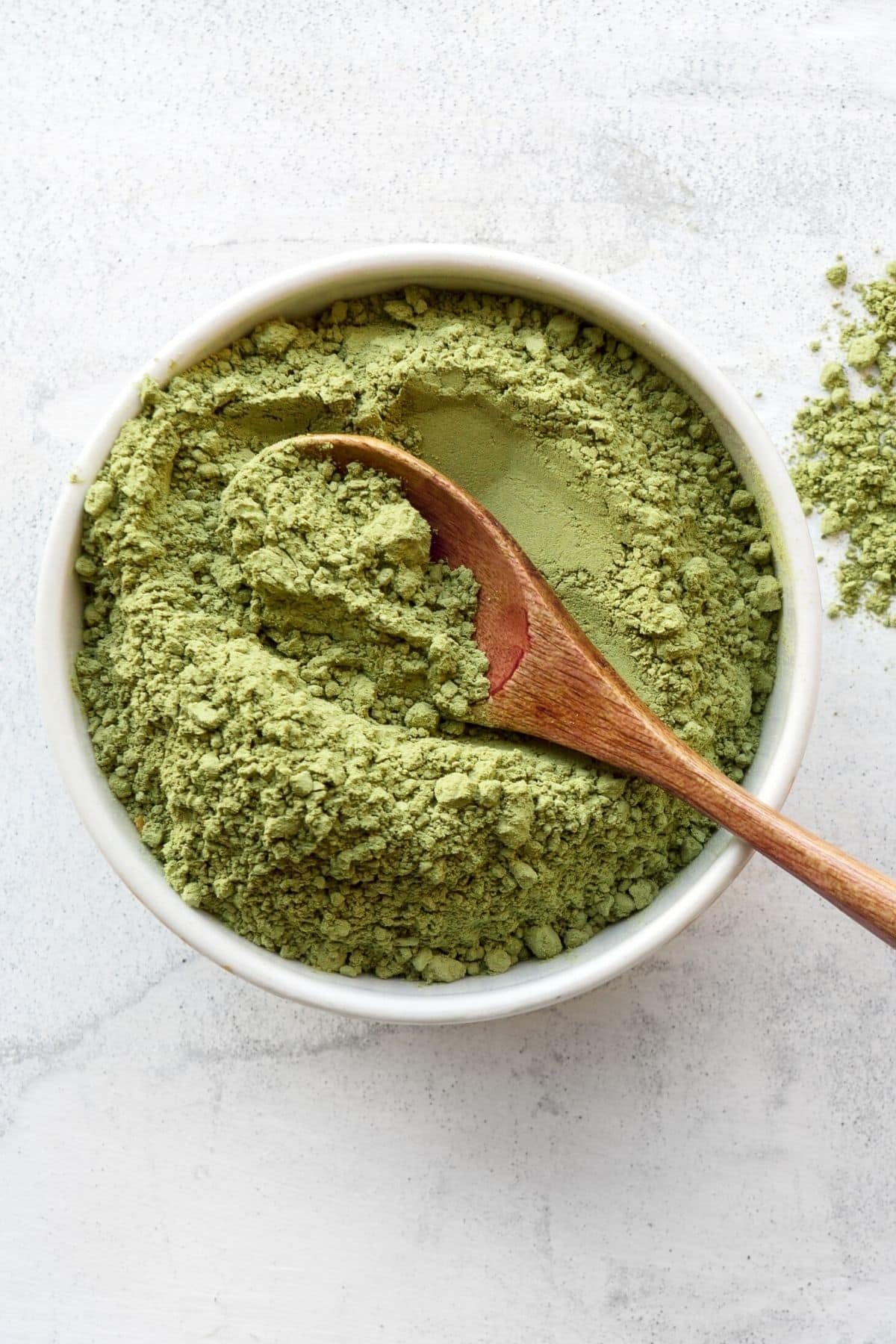
Why Dried Microgreens Powder Keeps Growing Beyond Fitness Culture
At first, green powders mostly lived inside fitness communities. Gym people. Wellness circles. Supplement stores.
Now it’s broader.
Older adults use microgreens powder because chewing raw vegetables becomes less appealing sometimes. Travelers keep it because hotel food gets repetitive fast. College students buy it because dorm eating habits are usually terrible if we’re being honest.
Even people who never cared about nutrition before are starting to pay attention because energy, digestion, and basic health feel harder to maintain with modern schedules.
Dried microgreens powder fits that shift because it lowers effort. That’s really the key underneath everything else. Lower friction usually creates better habits long term.
Conclusion
Dried microgreens powder works because real life is messy.
People miss meals. Vegetables spoil. Work drains energy. Kids refuse greens. Travel interrupts routines. Somewhere inside all that chaos, nutrition slips through the cracks pretty easily.
That’s why microgreens powder keeps gaining traction. Not because it’s trendy wellness magic, but because it gives people a simple backup plan when healthy eating gets inconsistent.
No product replaces real food completely. That part still matters. But having an easy way to add concentrated greens into daily routines makes practical sense for a lot of busy people now.
And practical solutions tend to survive longer than flashy health trends anyway.
FAQs About Dried Microgreens Powder
Can dried microgreens powder support daily nutrition?
Yes, many people use dried microgreens powder to help fill nutritional gaps when vegetable intake is inconsistent.
Is microgreens powder easy to mix into food?
Usually yes. People commonly add it into smoothies, yogurt, soups, or protein shakes without much trouble.
Does dried microgreens powder contain fiber?
Some products contain natural plant fiber, though amounts vary depending on ingredients and processing methods.