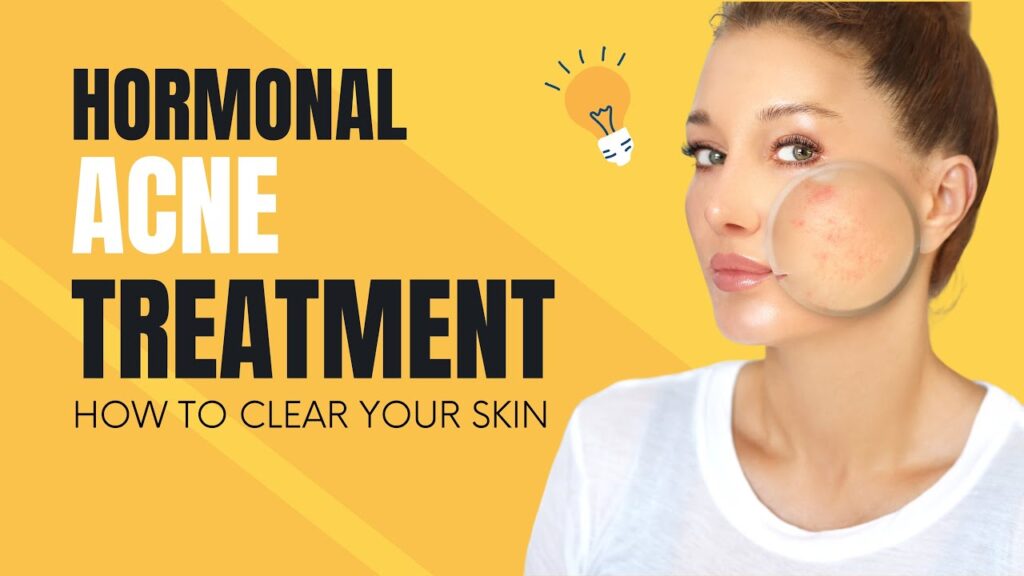
Skin ageing is often thought of as something driven mainly by sunlight, genetics, or lifestyle choices. While these factors are important, there is another powerful influence that often gets less attention: hormones.
Hormones regulate many of the skin’s essential functions, including hydration, elasticity, oil production, and cell renewal. As hormone levels shift throughout life, the skin naturally changes too.
Understanding how hormones affect the skin can help you take better care of it and make more informed choices about treatments, skincare routines, and lifestyle habits.
The Role of Hormones in Skin Health
Hormones are chemical messengers that travel through the bloodstream and control many processes in the body. When it comes to the skin, several hormones play especially important roles:
- Estrogen helps maintain collagen, moisture, and skin thickness
- Progesterone influences oil production and skin texture
- Testosterone affects sebum production and can contribute to acne
- Cortisol (the stress hormone) breaks down collagen when elevated for long periods
When these hormones are balanced, the skin tends to look smooth, firm, and hydrated. However, when they fluctuate—especially with age—visible signs of ageing begin to appear.
How Hormonal Changes Accelerate Skin Ageing
1. Decline in Estrogen Levels
One of the most significant hormonal shifts happens during perimenopause and menopause in women. Estrogen levels drop sharply, leading to reduced collagen production and slower skin cell turnover.
This results in:
- Thinner skin
- Loss of elasticity
- Increased dryness
- More visible wrinkles
Many people begin exploring Hormonal skin ageing treatment during this stage because traditional skincare alone may not be enough to restore lost firmness and hydration.
2. Increased Cortisol from Stress
Modern lifestyles often lead to chronic stress, which keeps cortisol levels elevated. High cortisol breaks down collagen and elastin, the proteins responsible for keeping skin youthful and resilient.
Over time, this contributes to:
- Sagging skin
- Fine lines
- Dull complexion
- Delayed healing of skin damage
Managing stress is therefore an essential part of any Hormonal skin ageing treatment approach.
3. Androgen Fluctuations and Skin Oil Balance
Androgens, including testosterone, influence how much oil the skin produces. When these hormones are imbalanced, especially during puberty, pregnancy, or hormonal disorders like PCOS, the skin may become overly oily or acne-prone.
In later life, reduced androgen activity can lead to dryness, further accelerating visible ageing.
4. Thyroid Hormones and Skin Texture
Thyroid hormones regulate metabolism, including how quickly skin cells renew themselves. When thyroid levels are low, the skin may become:
- Dry and rough
- Pale or dull
- Slower to heal
These changes can make the skin appear older than it actually is.
Signs Your Skin Ageing May Be Hormone-Related
While natural ageing is unavoidable, hormone-driven skin changes often show specific patterns. You may notice:
- Sudden dryness or oiliness
- Rapid increase in fine lines
- Loss of facial fullness
- Uneven skin tone
- Adult acne or flare-ups
- Slower recovery from irritation or breakouts
If several of these appear together, hormones are likely playing a significant role.
Lifestyle Strategies to Support Hormonal Skin Balance
Before turning to medical interventions, lifestyle adjustments can make a noticeable difference in skin health.
Balanced Nutrition
Eating foods rich in healthy fats, antioxidants, and vitamins supports hormone production and skin repair. Omega-3 fatty acids, leafy greens, and berries are especially beneficial.
Stress Management
Because cortisol directly affects skin ageing, reducing stress is essential. Practices like meditation, walking, yoga, or even regular sleep routines can help maintain hormonal balance.
Regular Exercise
Physical activity helps regulate insulin, cortisol, and sex hormones. It also improves blood circulation, delivering more oxygen and nutrients to the skin.
Quality Sleep
During deep sleep, the body repairs skin cells and regulates hormone levels. Poor sleep accelerates ageing and worsens hormonal imbalance.
Skincare Adjustments for Hormonal Skin Changes
As hormone levels shift, your skincare routine should adapt accordingly:
- Use gentle cleansers to avoid stripping natural oils
- Incorporate hydrating ingredients like hyaluronic acid
- Add retinoids to support collagen production
- Use sunscreen daily to prevent further breakdown of collagen
These changes support skin resilience and help slow visible ageing effects caused by hormones.
Medical and Professional Treatment Options
For more advanced cases of hormonal skin ageing, dermatological and medical approaches may be considered.
Hormone Replacement Therapy (HRT)
In some cases, doctors may recommend hormone replacement to restore estrogen levels and improve skin thickness and hydration.
Dermatological Procedures
Longevity medicine clinics, such as laser therapy, microneedling, and chemical peels can stimulate collagen production and improve skin texture.
Targeted Hormonal Approaches
A structured Hormonal skin ageing treatment plan may combine skincare, lifestyle changes, and medical support tailored to individual hormonal profiles.
Another Hormonal skin ageing treatment strategy focuses on identifying the root hormonal imbalance rather than only treating surface symptoms.
For long-term results, a consistent Hormonal skin ageing treatment approach is often more effective than short-term cosmetic fixes.
Some dermatologists also design a personalized Hormonal skin ageing treatment routine based on blood tests and skin analysis.
In more advanced cases, a combined Hormonal skin ageing treatment plan may include both internal and external therapies for optimal results.
The Future of Hormonal Skin Ageing Research
Advances in dermatology are increasingly focusing on the connection between hormones and skin health. Researchers are developing more precise treatments that target hormonal pathways directly, rather than just treating visible symptoms.
This means future skincare solutions may become more personalized, addressing the root causes of ageing rather than only its effects.
Final Thoughts
Hormones play a central role in how your skin ages. From collagen loss to changes in oil production and skin texture, hormonal shifts influence almost every aspect of skin health.
While ageing is natural, understanding these hormonal effects gives you more control over how your skin looks and feels over time. With the right combination of lifestyle habits, skincare adjustments, and medical support when necessary, it is possible to slow down visible ageing and maintain healthier skin for longer.