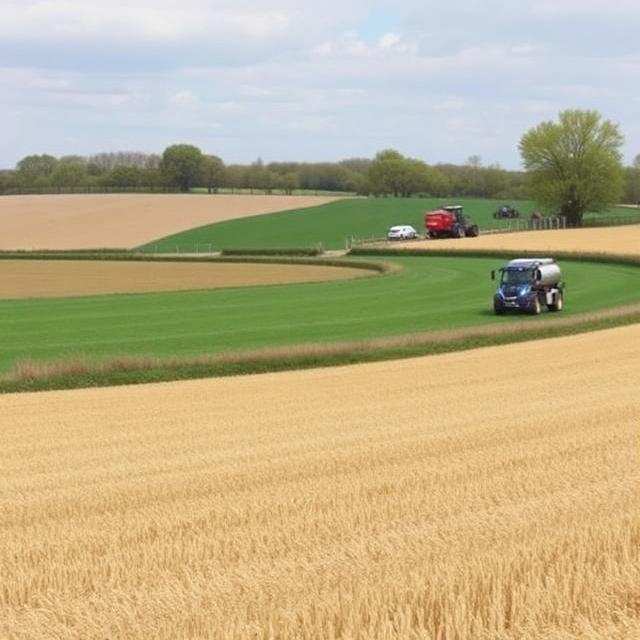
In 2026, the agricultural sector faces a unique set of energy challenges. Global supply chain disruptions and shifting environmental policies have made the management of UK farming fuel more critical than ever. For the modern farmer, staying productive means balancing the rising costs of traditional fuels with the emerging benefits of sustainable alternatives. Whether you are prepping for a busy spring or securing your winter stores, having a clear strategy for fuel acquisition is the foundation of a resilient farm.
The Vital Role of Farm Fuel Delivery in a Tight Market

Efficiency on the farm starts with a dependable supply chain. With diesel and gas oil prices experiencing significant volatility this year, a strategic farm fuel delivery schedule is no longer just a convenience—it is a financial necessity. Many farms are moving away from “just-in-time” ordering toward more structured delivery cycles to avoid sudden price spikes caused by global market shifts.
Reliable delivery services have also upgraded their technology. In 2026, many tankers are equipped with advanced metering and GPS, ensuring that even remote tanks in difficult-to-reach fields are topped up accurately. For farms with multiple sites, coordinating these deliveries through a single provider can help lower the “cost-per-mile” of transport, ensuring that your machinery remains fueled even when national supplies are tight.
Managing the Rise in Red Diesel Costs
Red diesel remains the essential fuel for off-road agricultural machinery, from the smallest utility vehicles to the largest combine harvesters. However, as of April 2026, the cost of a red diesel delivery has reached historic highs, with prices nearly doubling compared to previous years due to international energy pressures.
To mitigate these costs, many farmers are focusing on fuel “security and purity.” High fuel prices have made storage tanks a target for theft, leading to a surge in the installation of smart monitoring systems. Additionally, because modern engines are more sensitive than ever, ensuring your red diesel is free from water and “diesel bug” is vital. Working with suppliers who guarantee high-quality, filtered gas oil can prevent expensive mechanical failures that far outweigh the cost of the fuel itself.
Heating Farm Buildings with Industrial Heating Oil
Beyond the tractor, the farm’s infrastructure requires significant energy. Industrial heating oil (IHO) is the primary choice for heating large-scale poultry sheds, greenhouses, and grain drying systems. It remains a more economical choice than standard road diesel for stationary heating applications.
Specialized industrial oil suppliers are now providing blends that are better suited for the high-efficiency boilers found on modern farms. These fuels provide a consistent burn and high heat output, which is crucial for maintaining the precise temperatures needed for livestock health or crop preservation. As energy costs fluctuate, many farmers are locking in IHO prices during the summer months to ensure their winter heating budgets remain predictable.
Choosing Between Industrial Oil Suppliers

Selecting a partner from the various industrial oil suppliers in the UK is a decision that impacts your entire operational budget. In the current climate, the best suppliers are those that offer transparency and flexibility. This includes providing clear “spot price” data and offering flexible payment terms to help with seasonal cash flow.
Many suppliers have also expanded their portfolios to include HVO (Hydrotreated Vegetable Oil). While traditional IHO remains common, the shift toward lower-carbon footprints means that more suppliers are helping farms transition to these “drop-in” renewable fuels. A good supplier will help you audit your current usage and suggest the most cost-effective fuel mix for your specific equipment.
The Farmhouse and Domestic Heating Oil
The farmhouse is both a home and the operational hub of the business. With most farms situated away from the national gas grid, domestic heating oil (kerosene) is the standard for home heating and fueling range cookers.
A reliable domestic fuel delivery is particularly important during the winter months when rural roads can become difficult to navigate. Most households now use “smart” tank sensors that alert their supplier automatically when levels drop below 20%. This ensures that the farmhouse stays warm without the need for the farmer to manually check the tank during the busiest times of the year.
Reliability in Farm Fuel Suppliers
In 2026, the most successful farm fuel suppliers are those that view themselves as partners in the agricultural process. They understand that a delay in fuel delivery during a 48-hour harvest window can be catastrophic.
When evaluating suppliers, look for:
-
Local Depot Networks: Shorter travel distances mean faster response times during emergencies.
-
Fuel Testing Services: To ensure that the fuel sitting in your tanks for months remains stable and usable.
-
Bulk Buying Power: Suppliers with large storage capacities are better able to weather global supply shocks and keep their prices stable for their regular customers.
Looking to the Future of Farm Energy
The landscape of UK farming fuel is at a crossroads. While red diesel and kerosene are the current pillars of the industry, the move toward sustainable agriculture is gathering pace. High prices for traditional oils are accelerating interest in HVO and even electric or hydrogen-powered machinery for lighter tasks.
However, for the immediate future, the priority remains the same: securing a high-quality, reliable supply of traditional fuels. By maintaining strong relationships with your industrial oil suppliers and staying proactive with your delivery schedules, you can ensure that your farm remains productive and profitable, no matter what challenges the energy market brings.