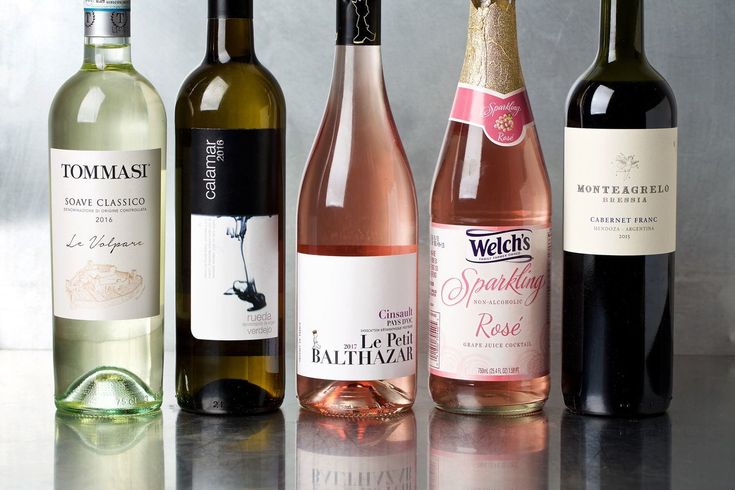
The global beverage industry has experienced a noticeable shift toward healthier and more mindful consumption habits. Among the most prominent developments is the rise of alcohol free wine, a category that is reshaping traditional wine culture.
Once considered a niche alternative, it is now becoming a mainstream choice for health-conscious consumers, social drinkers, and those seeking to reduce or eliminate alcohol intake without sacrificing the ritual of wine drinking.
The expansion of this market reflects broader lifestyle changes, including wellness trends, changing social norms, and increased innovation in food and beverage production. As demand continues to rise, producers and retailers are investing heavily in improving quality, variety, and accessibility.
The Rise of a Global Trend
The growth of alcohol free wine is not limited to one region; it is a global phenomenon. In North America and Europe, especially, consumers are increasingly looking for sophisticated non-alcoholic options that go beyond sugary soft drinks or juices. This shift has been influenced by the “sober curious” movement, where individuals explore reduced alcohol consumption without fully committing to abstinence.
In markets such as Germany, the United Kingdom, and the United States, supermarkets and specialty stores now dedicate entire sections to non-alcoholic beverages. Meanwhile, emerging markets in the Asia-Pacific are also showing strong growth, driven by urbanization, rising disposable incomes, and increasing awareness of health and wellness.
Key Drivers Behind Market Expansion
Several factors are fueling the expansion of this industry. One of the primary drivers is health consciousness. Consumers are becoming more aware of the negative effects of excessive alcohol consumption, including liver disease, weight gain, and sleep disruption. As a result, many are turning to alternatives that allow them to enjoy social occasions without compromising their health goals.
Another important factor is lifestyle change. Modern consumers are seeking balance rather than restriction. Alcohol free wine offers a way to participate in social events, dinners, and celebrations while maintaining control over alcohol intake. This flexibility appeals especially to younger generations, including Millennials and Gen Z, who prioritize wellness and moderation.
Regulatory and workplace trends have also contributed. With stricter drinking-and-driving laws and increased focus on workplace productivity, many individuals prefer safer alternatives when socializing after work or during business events.
Innovation and Product Development
The quality of alcohol free wine has improved significantly over the past decade. Early versions often suffered from poor taste and a lack of complexity, but technological advancements in dealcoholization processes have changed the landscape. Techniques such as vacuum distillation and reverse osmosis now allow producers to remove alcohol while preserving flavor compounds more effectively.
Winemakers are also experimenting with grape varieties, fermentation methods, and aging processes to enhance taste profiles. As a result, consumers now have access to a wider range of options, including sparkling varieties, rosé, white, and even red alternatives that closely mimic traditional wine experiences.
This innovation has helped reposition alcohol free wine from a simple substitute to a premium product category in its own right.
Regional Market Insights
Different regions are contributing to the growth of this industry in unique ways.
In Europe, strong wine culture has made consumers more selective, pushing producers to maintain high standards. Countries like France, Spain, and Italy are slowly embracing the category, though traditional wine consumption remains dominant.
In North America, the United States has become one of the fastest-growing markets. Health-focused consumers and a strong wellness industry have created ideal conditions for expansion.
Meanwhile, in the Asia-Pacific, countries such as Japan, China, and Australia are experiencing rapid adoption. Urban populations, rising middle-class income, and exposure to Western lifestyle trends are key drivers.
Across these regions, alcohol free wine is increasingly being positioned not just as an alternative, but as a lifestyle product aligned with modern values.
Changing Consumer Behavior
Consumer attitudes toward drinking are evolving significantly. Social acceptance of not drinking alcohol is higher than ever before. Restaurants, bars, and hotels are expanding their menus to include premium non-alcoholic options, reflecting this shift.
Younger consumers, in particular, are driving demand. They are more likely to question traditional drinking habits and seek alternatives that align with their health, fitness, and mental wellness goals. Social media has also played a role, with influencers and wellness advocates promoting mindful drinking habits.
As a result, wine is no longer seen as a compromise but as a deliberate and informed choice.
Challenges Facing the Industry
Despite its rapid growth, the market still faces several challenges. One of the main issues is perception. Some consumers still associate non-alcoholic beverages with lower quality or a lack of sophistication. Overcoming this stigma requires continued education and marketing efforts.
Pricing is another concern. Producing high-quality wine is often more complex and costly than traditional methods, which can make retail prices higher than expected for consumers.
Additionally, regulatory differences across countries create barriers for international expansion. Labeling requirements, taxation policies, and alcohol classification rules vary widely, making global distribution more complicated.
The Future Outlook
The future of this industry appears highly promising. Analysts predict continued double-digit growth over the next several years, driven by ongoing innovation and shifting consumer preferences.
We can expect to see further improvements in taste, aroma, and texture as technology advances. In addition, more premium brands are likely to enter the market, elevating the category’s status even further.
Hospitality sectors, including restaurants, airlines, and hotels, are also expected to expand their offerings, making wine more accessible in everyday life.
Sustainability may also play a role in future development. As environmentally conscious consumers seek eco-friendly products, producers may adopt greener production methods and packaging solutions.
Conclusion
The global rise of alcohol free wine reflects a broader transformation in how people approach drinking, health, and lifestyle choices. No longer a marginal product, it has become a dynamic and rapidly growing segment of the beverage industry.
With continuous innovation, expanding markets, and evolving consumer attitudes, this category is set to play a significant role in the future of global wine culture. As awareness grows and quality improves, even more people will likely embrace this modern alternative as part of their everyday lives.