Site Plans Online: Guide for Construction & Land Development
A well-prepared site plan is the backbone of any successful construction or property development project. Whether you are building a home, planning a commercial structure, or redesigning a landscape, a site plan provides a clear visual roadmap of how your land will be used.
With the rise of site plans online tools, creating accurate and professional layouts has become easier than ever. However, many people still struggle to understand what a site plan includes and how it differs from a survey. This guide breaks everything down in a practical, easy-to-understand way so you can confidently move forward with your project.
What Is a Site Plan?
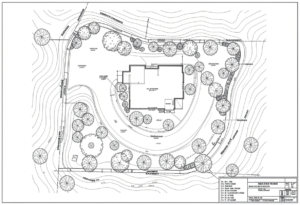
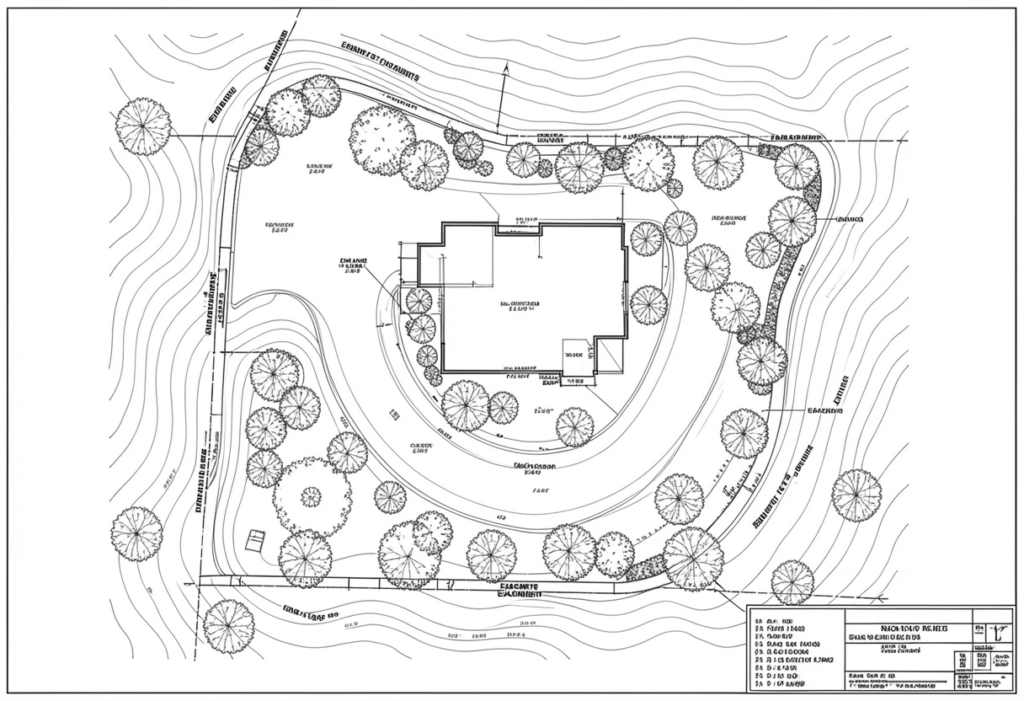
A site plan is a detailed drawing that shows the layout of a property from a top-down perspective. It includes existing structures, proposed buildings, property boundaries, and other key elements such as driveways, utilities, landscaping, and drainage systems.
Think of it as a blueprint for how your land will function. It ensures that all elements are properly placed and comply with local regulations.
A typical site plan includes:
- Property boundaries and dimensions
- Building footprints and setbacks
- Access points like driveways and walkways
- Utility connections (water, sewer, electricity)
- Landscaping features and open spaces
Site plans are often required for permits, approvals, and construction planning. Without one, projects can face delays, legal issues, or costly mistakes.
Why Site Plans Are Important
A site plan is not just a formality—it plays a critical role in project success. It helps you visualize the final outcome before construction begins, reducing uncertainty and improving decision-making.
Here’s why site plans matter:
1. Ensures Legal Compliance
Local authorities require site plans to verify zoning laws, building codes, and property restrictions. Without an approved plan, construction cannot proceed.
2. Improves Project Efficiency
A clear layout minimizes errors and miscommunication between architects, contractors, and engineers.
3. Saves Time and Money
Identifying issues early—such as improper spacing or utility conflicts—prevents expensive changes later.
4. Enhances Property Value
A well-designed site plan maximizes land use, improves aesthetics, and increases long-term value.
Site Plan vs Survey: Understanding the Difference
One of the most common questions in property development is the difference between a site plan vs survey. While they are related, they serve different purposes.
Survey:
A land survey is a precise measurement of a property’s boundaries and physical features. It is conducted by licensed surveyors using specialized equipment. Surveys provide accurate data about land size, elevation, and legal boundaries.
Site Plan:
A site plan uses survey data as a foundation but goes further by showing how the land will be developed. It includes proposed structures, layouts, and design elements.
Key Difference:
- A survey shows what exists.
- A site plan shows what will be built.
In simple terms, a survey is the starting point, and a site plan is the execution plan.
Key Elements of a Professional Site Plan
To be effective, a site plan must include several critical components. Missing even one element can lead to approval delays or construction issues.
Property Lines and Boundaries
These define the exact limits of your land and are usually based on survey data.
Building Layout and Setbacks
Setbacks indicate how far structures must be from property lines, roads, or neighboring properties.
Access and Circulation
Driveways, parking areas, and walkways must be clearly marked for safety and convenience.
Utilities and Infrastructure
Water lines, sewer systems, drainage, and electrical connections are essential for functionality.
Landscaping and Open Spaces
Green areas, trees, and outdoor features improve usability and visual appeal.
Elevation and Drainage
Proper grading ensures water flows away from structures, preventing damage and flooding.
Benefits of Using Site Plans Online Tools
Modern technology has transformed how site plans are created. Site plans online tools offer a fast, cost-effective alternative to traditional drafting methods.
1. Accessibility and Convenience
You can create or edit plans from anywhere without needing specialized software or equipment.
2. Faster Turnaround Time
Online tools streamline the design process, allowing you to generate plans quickly.
3. Cost Savings
Hiring professionals for every small revision can be expensive. Online tools reduce these costs.
4. User-Friendly Design
Many platforms offer drag-and-drop features, templates, and easy customization options.
5. Easy Collaboration
You can share plans with architects, contractors, or clients in real time for feedback and updates.
These tools are especially useful for homeowners, small developers, and professionals who want efficient planning without compromising quality.
Common Mistakes to Avoid in Site Planning
Even with the best tools, mistakes can happen. Being aware of common pitfalls can help you avoid delays and unnecessary expenses.
Ignoring Local Regulations
Always check zoning laws and building codes before finalizing your plan.
Incorrect Measurements
Small errors in dimensions can lead to major construction issues.
Poor Drainage Planning
Improper grading can cause water accumulation and structural damage.
Overlooking Utility Connections
Failing to plan utilities early can result in costly redesigns.
Lack of Future Planning
Consider future expansions or modifications when designing your layout.
Avoiding these mistakes ensures a smoother approval process and a more successful project.
Final Thoughts
A site plan is much more than a drawing—it is a strategic tool that guides your entire construction or property development process. From ensuring legal compliance to improving efficiency and reducing costs, its importance cannot be overstated.
Understanding the difference between site plan vs survey helps you use both effectively, while modern site plans online tools make the process faster and more accessible than ever.
Whether you are a homeowner planning a small project or a developer working on a large-scale build, investing time in a well-prepared site plan will always pay off. It sets the foundation for smarter decisions, better design, and successful project execution.