Most companies don’t struggle with a lack of cameras. They struggle with systems that don’t really help when something actually happens. Footage exists, but it’s either unclear, delayed, or too difficult to act on in real time. That’s where the gap is.
If you look closely at evolving corporate surveillance requirements, the shift is clear. It’s no longer just about recording activity. It’s about visibility, responsiveness, and reducing dependency on manual monitoring. And as corporate surveillance requirements continue to grow, systems need to be smarter, not just bigger.
- Get more out of fewer cameras
Adding more cameras isn’t always the answer. Coverage and flexibility matter more.
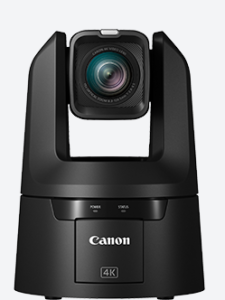
A system like the CR-N500 Remote Camera gives you both. Its wide-angle view helps cover larger areas, while the 15x optical zoom lets you focus on specific details when needed. You’re not jumping between multiple feeds to understand what’s happening. You’re working with fewer, more capable units.
- Make sure the footage is actually usable
Recording in high resolution sounds good on paper, but what matters is whether the footage holds up when you need it.
With 4K UHD output and an 8.29MP sensor, the CR-N500 captures enough detail for real-world use. Whether you’re reviewing an incident or tracking movement across frames, the clarity stays intact. That’s a basic expectation now, not a luxury.
- Reduce dependence on constant monitoring
A system that needs someone watching screens all day isn’t efficient. It increases cost and still leaves room for human error.
PTZ functionality allows remote control over pan, tilt, and zoom, so cameras can be adjusted in real time without being physically accessed. Add wireless operation into the mix, and monitoring becomes more centralised and manageable. One person can oversee multiple areas without losing control.
- Plan for imperfect setups
In real environments, cameras are rarely positioned perfectly. Angles shift, mounts vary, and spaces come with constraints.
Features like four-axis correction help maintain a stable and proportional image even when alignment isn’t ideal. It reduces the need for constant adjustments and ensures footage remains usable.
- Speed and accuracy in focus matters
Surveillance is often about moments that don’t repeat. If focus lags, the value of that footage drops instantly.
Dual Pixel CMOS autofocus ensures fast and accurate subject tracking. It handles movement smoothly, which is important in active areas like entrances, hallways, or shared workspaces.
- Build with integration in mind
Modern surveillance setups are rarely standalone. They connect with broader systems, from monitoring dashboards to live streaming workflows.
With support for protocols like NDI, VISCA, and IP-based streaming, the CR-N500 fits into existing infrastructure without friction. You can run multiple streams, distribute feeds, and scale your system as needed.
If your current surveillance setup mainly records and stores footage, it’s doing the bare minimum. The real question is simple—if something happens right now, can your system help you respond immediately, or are you just going to review it later?