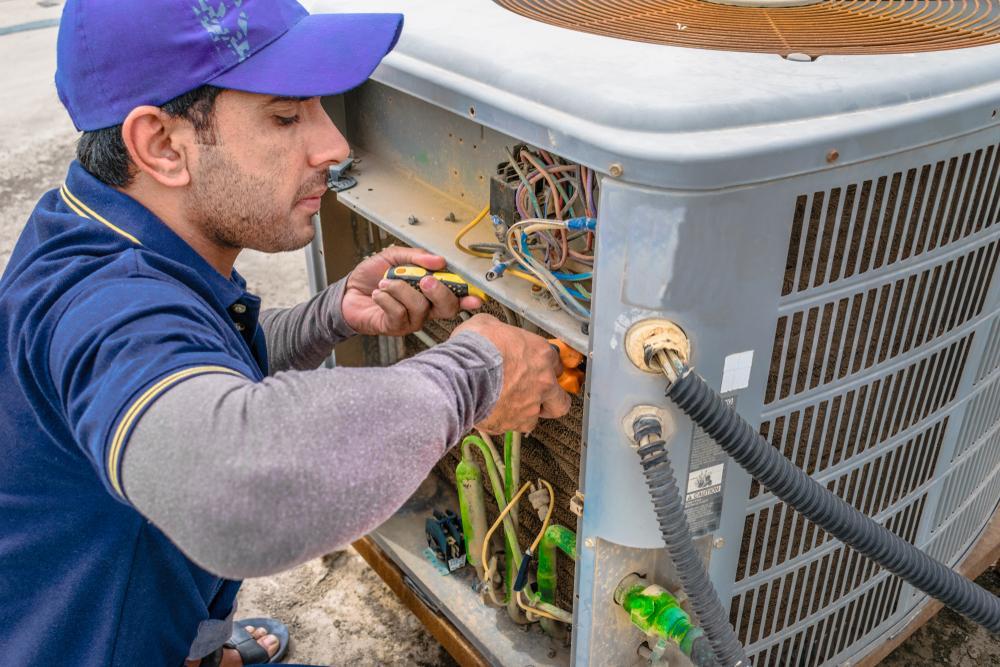
Older homes have character. No doubt about that. High ceilings, solid construction, maybe even original woodwork that you just can’t find anymore. But when it comes to HVAC airflow… yeah, that’s where things get messy. Rooms that never feel right. One side of the house freezing, the other too warm. You adjust the thermostat and nothing really changes. Happens a lot.
In places like Colorado, where winters hit hard and summers aren’t exactly mild either, airflow problems become more obvious. Even in setups tied to commercial hvac colorado springs, similar issues show up when airflow isn’t balanced right. The system runs, sure, but comfort? Not really there. And most homeowners don’t realize the problem isn’t always the unit it’s how the air moves (or doesn’t).
Why Older Homes Struggle With Airflow
The short answer? They weren’t built for modern HVAC systems.
A lot of older homes were designed before central air was even common. Heating might’ve been handled by radiators or basic duct systems that weren’t meant to carry cooled air. Over time, things get patched together. Additions get built. Ductwork gets extended in weird ways.
Now you’ve got a system trying to push air through a setup that doesn’t really support it.
Ducts might be too small. Or too long. Or just poorly placed. And insulation? Sometimes it’s barely doing its job anymore.
Common Signs You’ve Got Airflow Problems
You don’t need fancy tools to notice it.
Walk through your house. Pay attention.
Some rooms feel like a different climate altogether. One bedroom might stay cold all day while the living room overheats. Vents barely pushing air. Or worse, some that feel like they’re blasting while others are dead quiet.
Then there’s the constant cycling. System turns on, runs, shuts off, then starts again. That’s usually a sign it’s struggling to distribute air evenly.
Higher energy bills are another clue. When airflow is off, your system works harder than it should. And yeah, you pay for that.
Ductwork Issues That Cause Trouble
This is where things usually go wrong.
Older duct systems tend to leak. Not a little—sometimes a lot. Air escapes before it even reaches the room. So the system compensates by running longer.
Then there’s poor design. Sharp turns. Long runs. Uneven distribution. All of it adds resistance. Air doesn’t move the way it should.
Dust buildup inside ducts also slows things down. Same with old insulation wrapped around them. Over time, performance drops.
A proper inspection makes a big difference here. Companies like HVAC SOLUTIONS deal with this all the time—figuring out where airflow is getting lost and why.
Blocked or Poorly Placed Vents
This one sounds simple, but it’s surprisingly common.
Furniture pushed over vents. Rugs covering returns. Even curtains blocking airflow. It all adds up.
In older homes, vent placement itself can be part of the problem. Some were installed based on old heating methods, not modern airflow needs.
You can’t always fix placement easily. But making sure vents are open, clean, and not blocked? That’s an easy win.
System Size and Compatibility Issues
Here’s something people don’t expect.
Bigger isn’t always better.
A lot of homeowners upgrade their HVAC system thinking more power equals better comfort. But if the system is oversized, it can short cycle—turning on and off too quickly without properly circulating air.
Undersized systems struggle too, obviously. They run constantly but never quite catch up.
The key is balance. The system needs to match the home. Not just square footage, but layout, insulation, and duct design.
Simple Fixes That Actually Help
Start small.
Change your air filter. Seriously. A clogged filter restricts airflow more than most people think.
Next, check vents and returns. Open them up. Clean them if needed.
You can also try adjusting dampers in the duct system, if your setup has them. It helps redirect airflow to rooms that need it more.
Sealing duct leaks is another big one. Even basic sealing can improve efficiency.
These aren’t massive upgrades. But they make a noticeable difference.
When You Need a Bigger Solution
Sometimes small fixes aren’t enough.
If your ductwork is outdated or poorly designed, it may need modifications. That could mean resizing sections, adding returns, or even reworking parts of the system.
In some cases, homeowners skip ductwork issues altogether and move toward ductless hvac services colorado springs co. It’s not always the first option, but it makes sense for older homes where ducts just don’t cooperate.
Ductless systems give you more control. Room-by-room comfort. Less reliance on old infrastructure.
Professional Help Makes the Difference
At a certain point, guessing doesn’t cut it.
You need someone who understands airflow, not just equipment. That’s where experienced teams like HVAC SOLUTIONS come in. They don’t just swap out units—they look at the whole system. Airflow, duct design, insulation, everything.
Because honestly, fixing airflow isn’t about one single thing. It’s a mix of factors working together. Or not working, in most older homes.
Conclusion
Airflow problems in older homes aren’t unusual. They’re expected, really.
The good news is, most of them can be improved. Sometimes with small changes. Sometimes with bigger upgrades. It depends on how the home is set up and how far things have drifted from what actually works.
Ignore it, though, and the system keeps struggling. Comfort stays uneven. Bills creep up.
Fix it, even gradually, and the difference is noticeable. Rooms feel more consistent. The system runs smoother. Less stress on everything.
And that’s the goal, really. Not perfection. Just a home that feels right when you walk through it.