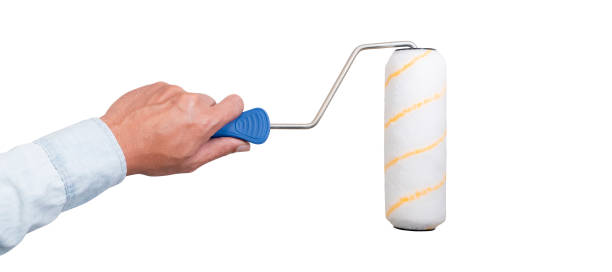
Most bad paint jobs don’t start out bad. That’s the annoying part. You prep the surface, you clean everything twice, maybe even tape like a maniac—and for a minute, it looks like you’re doing everything right. Then it dries. And something feels off. Not a total disaster, but not clean either. Nine times out of ten, that comes back to the roller. And yeah, picking the best roller for epoxy sounds like a small thing, but it really isn’t. It’s one of those details that quietly decides whether your finish looks sharp or just…meh.
Rollers Do More Than Just Spread Paint
A lot of people treat rollers like they’re interchangeable. Grab one, dip it, go. That works fine for basic wall paint, sure. Epoxy doesn’t play the same game. It’s thicker, heavier, less forgiving. The roller controls how that material actually sits on the surface. Too much pressure, wrong fabric, weird nap—it all shows up. You might not notice while you’re rolling, but give it a couple hours and it starts revealing everything you did (or didn’t do). Little bubbles, uneven shine, random streaks. Not dramatic, just enough to ruin the look.
Cheap Rollers Cause Quiet Problems
Here’s where people trip up. They go cheap on the roller because… why not, right? It’s just a tool. But cheap rollers shed. Tiny fibers break loose and get stuck in the epoxy while it’s still wet. You won’t see all of them right away. Then the coating cures and there they are, locked in like bugs in amber. Same thing with how they hold material. Some rollers drink up epoxy and release it in patches, not evenly. So you roll over a section and it looks fine, then it levels weird. Now you’re going back over it, trying to fix it, making more of a mess.
Nap Length Can Make or Break the Finish
This is one of those details people skip over because it sounds technical. Short nap, long nap—whatever. But it matters. A longer nap holds more material, which sounds helpful, until it starts leaving texture behind. That slightly bumpy, orange-peel look? Yeah, that. On the other hand, a super short nap might not carry enough epoxy, especially on rougher concrete. Then you’re pushing harder, going over spots again, introducing more problems. There’s no perfect-for-everything option here, which is probably why people get it wrong so often.
Foam Rollers… Not Always the Fix
Foam rollers get recommended a lot for smooth finishes. And sometimes they work. But with epoxy, they can be a bit unpredictable. Foam tends to trap air, and when you roll, that air has to go somewhere. Usually straight into the coating. So now you’ve got bubbles forming while you’re working, and more showing up as it sets. Also, not all foam holds up well against epoxy. Some start to break down halfway through the job. You won’t notice immediately, then suddenly you’ve got little bits of foam stuck in your surface. Not great.
You Can’t Out-Technique a Bad Roller
People try though. They slow down, adjust pressure, change direction, all that. And yeah, technique matters. But if the roller itself is wrong, you’re basically fighting uphill. You’ll keep chasing the same issues—lines, bubbles, uneven spots—and blaming your approach. Meanwhile the real problem is still in your hand. Epoxy doesn’t give you much time either. Once it starts setting, that’s it. No second chances to smooth things out.
Where It Usually Falls Apart
It’s rarely one big mistake. More like a bunch of small ones stacking up. Wrong roller, slightly too much pressure, going back over areas that should’ve been left alone. Happens fast. Someone notices a streak, tries to fix it, ends up overworking the section. Now the finish looks dull in one spot, glossy in another. Later on, that uneven application can even affect durability. Peeling, weak spots… stuff you definitely don’t want after putting in all that effort.
Spending a Little More Saves a Lot of Headache
This is the part that feels obvious after the fact. People will spend hours prepping—cleaning, sanding, repairing cracks—but then grab whatever roller is cheapest or closest. Doesn’t really add up. A decent roller isn’t expensive compared to the cost of redoing an epoxy surface. And redoing it isn’t quick. It usually means sanding everything back down, cleaning again, starting over. Not fun. Not something you want to do twice.
What Actually Works for Epoxy
If you want the finish to come out right, you need something made for epoxy. Not “close enough,” not “should be fine.” There’s a reason certain rollers exist for this specific job. An epoxy glide roller cover is one of those options that just works better. It lays the material down more evenly, doesn’t shed like the cheaper stuff, and helps reduce those tiny air bubbles that mess up the surface. You still need decent technique, sure, but at least the tool isn’t working against you the whole time.
Conclusion
At the end of the day, a paint job can look perfect halfway through and still go wrong by the time it dries. That’s what catches people off guard. And more often than not, it’s not the paint or the prep—it’s the roller. Easy thing to overlook, easy thing to regret later. So yeah, it’s worth paying attention to. Because once epoxy cures, there’s no quick fix. You’re either living with it, or starting over. And honestly, neither option feels great when it could’ve been avoided.