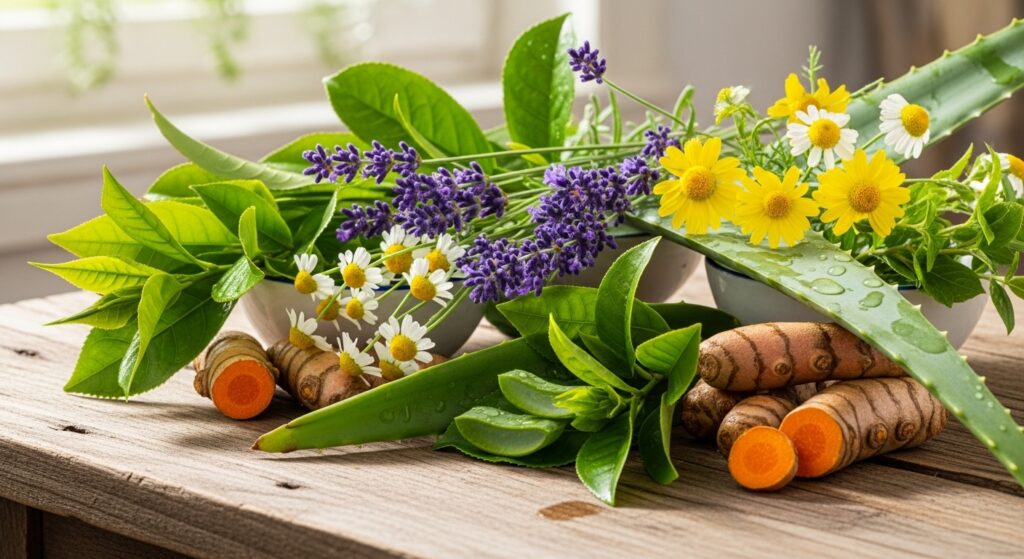
Herbals have been used for centuries across different cultures as natural remedies for maintaining health and treating ailments. Derived from plants, herbs, and botanical sources, herbal products offer a safer and often effective alternative to synthetic medications. Their popularity has grown tremendously in recent years due to a global shift towards natural and holistic wellness solutions.
What Are Herbals?
Herbals refer to plant-based products or extracts that are used for medicinal, cosmetic, or nutritional purposes. These can include leaves, flowers, roots, seeds, or bark of plants. Unlike synthetic chemicals, herbals harness nature’s compounds to promote health, improve immunity, and support mental and physical well-being.
Some common forms of herbals include:
- Herbal teas – chamomile, peppermint, and green tea.
- Capsules and tablets – turmeric, ginseng, or ashwagandha supplements.
- Oils and extracts – lavender oil, eucalyptus oil, or aloe vera gel.
- Topical applications – creams, ointments, or balms with herbal ingredients.
Benefits of Herbals
- Boost Immunity: Many herbs, like echinacea and garlic, are known to strengthen the immune system.
- Improve Digestion: Herbs like ginger, peppermint, and fennel aid digestion and reduce stomach discomfort.
- Enhance Mental Health: Ashwagandha, ginkgo biloba, and lavender are used to reduce stress, anxiety, and improve focus.
- Support Skin Health: Aloe vera, neem, and turmeric have antibacterial and anti-inflammatory properties that help maintain clear and healthy skin.
- Natural Pain Relief: Herbs such as turmeric, willow bark, and ginger can act as natural anti-inflammatory agents.
Popular Herbal Remedies
- Turmeric: Known for its anti-inflammatory and antioxidant properties. Often used for joint health and skin care.
- Ginger: Helps with nausea, digestion, and inflammation.
- Aloe Vera: Excellent for skin hydration, sunburn relief, and wound healing.
- Lavender: Promotes relaxation, reduces anxiety, and improves sleep quality.
- Chamomile: Known for calming effects, aids sleep and digestion.
Precautions While Using Herbals
Even though herbals are natural, it is essential to use them carefully:
- Consult a healthcare professional before combining herbs with prescribed medications.
- Follow recommended dosages to avoid side effects.
- Be aware of allergies or sensitivities to certain plants.
- Choose products from reputable brands to ensure purity and efficacy.
The Growing Trend of Herbal Products
With increasing awareness about natural health solutions, the herbal market is booming worldwide. Consumers are turning to herbal teas, supplements, and skincare for sustainable and chemical-free options. Integrating herbals into daily routines can lead to long-term health benefits, provided they are used wisely.
Conclusion
Herbals bridge the gap between traditional medicine and modern wellness practices. By incorporating herbs into our lifestyle, we can harness nature’s power to improve health, prevent illness, and enhance overall well-being. Whether through teas, supplements, or skincare, herbals offer a holistic approach to maintaining balance and vitality in today’s fast-paced world.