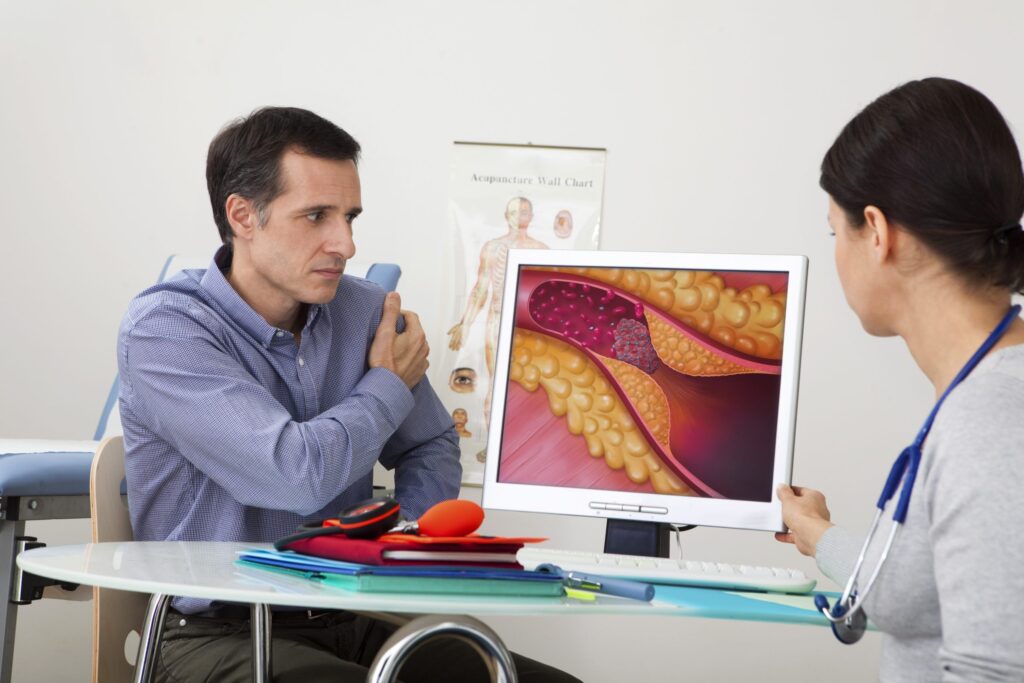
High Cholesterolemia dubai
High cholesterol is a growing health concern worldwide, and Dubai is no exception. With modern lifestyles, dietary habits, and increasing stress levels, many individuals are being diagnosed with lipid disorders at an early age. Fortunately, advancements in medical science have made it possible to effectively manage and treat this condition through a variety of approaches. If you have been diagnosed with High cholesterolemia Dubai, understanding the available medical treatments can help you make informed decisions about your health.
Understanding High Cholesterolemia
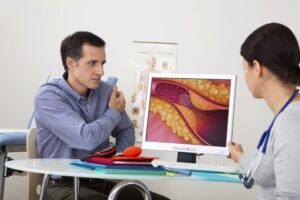
High cholesterolemia refers to elevated levels of cholesterol in the blood, particularly low-density lipoprotein (LDL), often referred to as “bad cholesterol.” Excess cholesterol can accumulate in the arteries, leading to plaque formation, which increases the risk of heart disease, stroke, and other cardiovascular complications.
In Dubai, healthcare providers emphasize early detection and personalized treatment plans to manage cholesterol levels effectively. Regular screenings, especially for individuals with risk factors such as obesity, diabetes, or family history, are essential.
Importance of Medical Treatment
While lifestyle changes such as diet and exercise play a significant role, many patients require medical intervention to control cholesterol levels. This is particularly true when lifestyle modifications alone are insufficient or when cholesterol levels are dangerously high.
Medical treatments aim to:
- Lower LDL cholesterol
- Increase high-density lipoprotein (HDL) or “good cholesterol”
- Reduce triglycerides
- Prevent cardiovascular complications
Common Medical Treatments for High Cholesterolemia in Dubai
1. Statins: The First-Line Treatment
Statins are the most commonly prescribed medications for managing high cholesterol. They work by reducing the liver’s production of cholesterol and helping the body reabsorb existing cholesterol from the bloodstream.
Examples include:
- Atorvastatin
- Rosuvastatin
- Simvastatin
Statins are highly effective and widely used in Dubai due to their proven ability to reduce the risk of heart attacks and strokes. Most patients tolerate them well, although some may experience mild side effects such as muscle pain or digestive issues.
2. Ezetimibe: Reducing Cholesterol Absorption
Ezetimibe is another medication that helps lower cholesterol by reducing its absorption in the small intestine. It is often prescribed alongside statins for enhanced results.
This treatment is particularly beneficial for patients who cannot tolerate high doses of statins or need additional cholesterol reduction.
3. PCSK9 Inhibitors: Advanced Injectable Therapy
PCSK9 inhibitors are a newer class of medications that have shown remarkable effectiveness in lowering LDL cholesterol levels. These are injectable drugs administered every few weeks.
Benefits include:
- Significant reduction in LDL cholesterol
- Suitable for high-risk patients
- Effective for those with genetic cholesterol disorders
Although they are more expensive than traditional medications, many specialized clinics in Dubai offer these treatments for patients who require advanced care.
4. Bile Acid Sequestrants
These medications work by binding bile acids in the intestine, forcing the body to use excess cholesterol to produce more bile acids. This process reduces overall cholesterol levels.
They are less commonly used but may be recommended for specific patient groups, especially those who cannot take statins.
5. Fibrates: Targeting Triglycerides
Fibrates are primarily used to lower triglyceride levels and can also moderately increase HDL cholesterol. They are often prescribed when patients have mixed lipid disorders.
This treatment is especially useful for individuals with metabolic syndrome or diabetes, conditions commonly observed in Dubai’s population.
6. Niacin (Vitamin B3)
Niacin is a supplement that can help increase HDL cholesterol and reduce LDL cholesterol and triglycerides. However, its use has declined due to potential side effects and the availability of more effective medications.
Doctors in Dubai may still recommend niacin in select cases under close supervision.
7. Omega-3 Fatty Acid Supplements
Prescription-strength omega-3 fatty acids are used to lower triglyceride levels. These supplements are often part of a comprehensive treatment plan.
They are particularly beneficial for patients who prefer a more natural adjunct to pharmaceutical treatments.
Personalized Treatment Plans in Dubai
One of the key advantages of seeking treatment for High cholesterolemia Dubai is access to personalized healthcare. Clinics in Dubai often adopt a patient-centered approach, tailoring treatments based on:
- Age and gender
- Medical history
- Severity of cholesterol levels
- Lifestyle factors
- Genetic predisposition
This ensures optimal outcomes and minimizes the risk of complications.
Role of Lifestyle in Supporting Medical Treatment
Even with advanced medical treatments, lifestyle modifications remain essential. Doctors in Dubai strongly recommend combining medications with healthy habits to achieve long-term success.
Key lifestyle changes include:
- Following a heart-healthy diet (low in saturated fats and trans fats)
- Regular physical activity (at least 150 minutes per week)
- Maintaining a healthy weight
- Avoiding smoking
- Managing stress effectively
When combined with medical treatments, these changes significantly improve cholesterol levels and overall health.
Regular Monitoring and Follow-Up
Patients undergoing treatment for High cholesterolemia Dubai are advised to have regular follow-ups with their healthcare provider. Blood tests are conducted periodically to monitor cholesterol levels and assess the effectiveness of treatment.
Adjustments to medication or dosage may be made based on these results, ensuring continuous improvement and safety.
Emerging Treatments and Innovations
Dubai’s healthcare sector is known for adopting cutting-edge technologies and treatments. Some emerging options include:
1. Gene Therapy
Research is ongoing to develop gene-based treatments for inherited cholesterol disorders.
2. Inclisiran
A newer injectable therapy that reduces LDL cholesterol by targeting specific genetic pathways. It requires fewer doses compared to traditional injectables.
3. Advanced Lipid Testing
Comprehensive lipid profiling helps identify specific risk factors, allowing for more targeted treatment plans.
These innovations highlight Dubai’s commitment to providing world-class healthcare solutions.
When to Seek Medical Help
It is important to consult a healthcare professional if you experience:
- Persistent high cholesterol levels
- Family history of heart disease
- Obesity or metabolic syndrome
- Symptoms such as chest pain or shortness of breath
Early intervention can prevent serious complications and improve quality of life.
Conclusion
Managing high cholesterol requires a combination of medical expertise, advanced treatments, and lifestyle adjustments. Fortunately, patients dealing with High cholesterolemia Dubai have access to a wide range of effective medical therapies, from traditional medications like statins to innovative injectable treatments.
Dubai’s healthcare system emphasizes personalized care, ensuring that each patient receives a tailored treatment plan suited to their specific needs. By working closely with healthcare professionals, maintaining a healthy lifestyle, and adhering to prescribed medications, individuals can successfully control their cholesterol levels and reduce the risk of cardiovascular disease.
Taking proactive steps today can lead to a healthier, longer life. If you suspect high cholesterol or have already been diagnosed, seeking timely medical advice is the first step toward effective management.
FAQs
1. What is the best treatment for high cholesterolemia?
The best treatment depends on individual factors. Statins are commonly prescribed, but some patients may require combination therapy or advanced treatments like PCSK9 inhibitors.
2. Are medications necessary for everyone with high cholesterol?
Not always. Mild cases can often be managed with lifestyle changes, but moderate to severe cases usually require medication.
3. How long does it take for cholesterol medication to work?
Most medications start showing results within a few weeks, but full effects may take a few months.
4. Are there side effects of cholesterol medications?
Some patients may experience mild side effects such as muscle pain or digestive issues. However, most medications are safe when taken as prescribed.
5. Can high cholesterolemia be cured permanently?
It cannot always be cured, but it can be effectively managed with the right treatment and lifestyle changes.
6. Is regular testing necessary?
Yes, regular blood tests are essential to monitor cholesterol levels and adjust treatment plans accordingly.