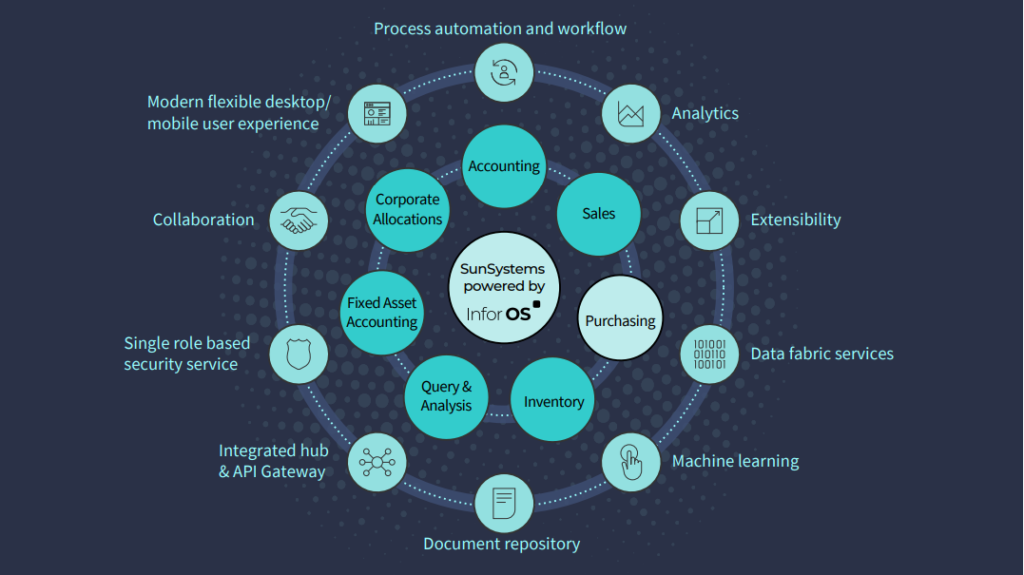
When companies in Thailand start evaluating ERP systems, the conversation often sounds the same: We need better reporting, Our processes are too manual, or Finance and operations aren’t aligned.” That’s where Infor ERP Thailand enters the discussion—not as a generic system, but as something designed to handle real operational complexity.
I’ve seen ERP projects succeed and fail across Southeast Asia. The difference rarely comes down to software features alone. It comes down to how well the system fits local business realities—compliance, multi-entity structures, supply chains, and how teams actually work day to day.
This article breaks down what actually works when implementing Infor ERP in Thailand, how it compares with broader Cloud ERP software options, and where tools like Infor EPM fit into the bigger picture.
Why Thai Businesses Are Moving Toward ERP Modernization
Thailand’s business environment has changed fast over the past decade. Companies that once managed operations through spreadsheets and standalone systems now face pressure from:
- Multi-location operations across ASEAN
- Increasing compliance requirements
- Real-time reporting expectations from leadership
- Digital transformation initiatives across industries
The traditional approach—patching together accounting tools, inventory systems, and manual workflows—no longer holds up.
This is where Infor ERP Thailand becomes relevant. It’s not just about replacing legacy software; it’s about creating a connected system where finance, procurement, manufacturing, and reporting work together without constant manual intervention.
A manufacturing client I worked with in Bangkok had five separate systems for procurement, inventory, finance, and production. None of them spoke to each other. After ERP consolidation, their monthly reporting cycle dropped from 12 days to 3. That’s the kind of operational impact businesses are looking for.
What Makes Infor ERP Thailand a Practical Choice
There’s no shortage of ERP platforms in the market. The question is why companies in Thailand are specifically considering Infor.
Industry-Specific Design
Unlike generic ERP platforms, Infor solutions are built with industry workflows in mind—manufacturing, distribution, retail, and asset-intensive sectors.
That matters because Thai businesses often operate in complex verticals like:
- Automotive manufacturing
- Food processing
- Retail distribution
- Logistics and warehousing
Instead of customizing everything from scratch, companies can start with processes that already align with their industry.
Local Compliance and Regional Adaptability
One of the biggest challenges in ERP implementation is localization. Tax structures, reporting formats, and regulatory requirements vary across countries.
Infor ERP Thailand supports:
- Thai VAT structures
- Local financial reporting formats
- Multi-currency transactions
- Cross-border operations within ASEAN
This reduces the need for heavy customization, which often becomes a long-term maintenance issue.
Built for Cloud Deployment
Modern businesses are moving away from on-premise systems, and for good reason. Cloud ERP software provides:
- Faster deployment timelines
- Lower infrastructure costs
- Automatic updates
- Remote access for distributed teams
Infor’s cloud-first approach allows companies to scale without worrying about hardware upgrades or system downtime.
For example, during COVID-era disruptions, businesses already on cloud ERP adapted faster because teams could access systems remotely without disruption.
Where Infor EPM Fits Into the Picture
ERP systems handle transactions. But decision-making requires something more advanced—this is where Infor EPM becomes essential.
Moving Beyond Basic Reporting
Most ERP systems can generate reports. But finance leaders need more than static reports—they need:
- Real-time dashboards
- Forecasting models
- Scenario planning
- Budgeting tools
Infor EPM connects directly with ERP data and turns it into actionable insights.
Real-World Use Case: Financial Planning
A retail company using Infor ERP Thailand can track daily sales and inventory. But with Infor EPM, they can:
- Forecast seasonal demand
- Adjust procurement plans
- Optimize working capital
Instead of reacting to data, they start planning ahead.
That shift—from reactive reporting to proactive planning—is where companies see real value.
Key Benefits Businesses Actually Experience
Let’s move past marketing claims and look at what businesses typically gain when ERP is implemented correctly.
1. Faster Financial Close
Finance teams often spend days reconciling data from multiple systems. With ERP:
- Data flows automatically between modules
- Reconciliation is reduced
- Reporting becomes more reliable
Many organizations reduce closing cycles by 30–60%.
2. Better Inventory Visibility
Inventory issues are common in manufacturing and distribution. Either there’s too much stock or not enough.
With Infor ERP:
- Real-time inventory tracking improves accuracy
- Procurement aligns with demand
- Waste and stockouts are reduced
3. Improved Operational Control
When departments work in silos, inefficiencies multiply. ERP creates a single source of truth:
- Procurement connects with finance
- Production aligns with inventory
- Sales data feeds directly into reporting
This alignment improves decision-making at every level.
4. Scalability for Growth
Businesses in Thailand often expand into neighboring markets. A good ERP system supports:
- Multi-entity structures
- Multi-currency transactions
- Regional compliance
This is where Cloud ERP software becomes especially valuable—it grows with the business.
Common Mistakes Companies Make During ERP Implementation
Even the best system can fail if implementation is handled poorly. Here are patterns I’ve seen repeatedly.
Treating ERP as an IT Project
ERP is not just about software—it’s a business transformation initiative. When leadership doesn’t stay involved, projects lose direction.
Over-Customization
Trying to replicate old processes exactly often leads to unnecessary customization. This increases:
- Costs
- Implementation time
- Future maintenance challenges
A better approach is to adapt processes where needed.
Ignoring Change Management
Employees need time and training to adapt. Without proper onboarding:
- Adoption slows down
- Errors increase
- ROI gets delayed
Training and communication matter as much as the software itself.
How to Choose the Right ERP Approach in Thailand
If you’re evaluating ERP systems, here’s a practical framework.
Start With Business Problems, Not Features
List the actual challenges:
- Slow reporting
- Inventory mismatches
- Lack of visibility across departments
Then evaluate how Infor ERP Thailand or other systems solve those problems.
Evaluate Industry Fit
A system that works well in manufacturing may not fit retail or services. Industry alignment reduces implementation complexity.
Consider Integration Needs
Most businesses already use multiple tools—CRM systems, payroll, analytics platforms.
Your ERP should integrate easily with existing systems.
Look Beyond Implementation to Long-Term Value
ERP is not a one-time project. It’s a long-term platform. Consider:
- Upgrade flexibility
- Vendor support
- Scalability
The Bigger Picture: ERP as a Strategic Investment
It’s easy to think of ERP as a cost center. But in reality, it’s a strategic investment.
Companies that implement ERP effectively gain:
- Better financial control
- Improved operational efficiency
- Faster decision-making
- Stronger scalability
When combined with tools like Infor EPM, ERP becomes more than a system—it becomes the backbone of business intelligence.
Final Thoughts
There’s no perfect ERP system. But there are systems that fit better than others depending on the business context.
Infor ERP Thailand stands out because it aligns well with industry-specific needs, regional compliance, and modern cloud-based operations. When paired with Cloud ERP software capabilities and advanced analytics through Infor EPM, it gives companies a practical way to modernize operations without unnecessary complexity.
The key is not just choosing the right software—but implementing it with clarity, realistic expectations, and a focus on long-term outcomes.
FAQs
1. What is Infor ERP Thailand and who should use it?
Infor ERP Thailand is an enterprise resource planning solution designed for businesses operating in Thailand. It’s especially useful for manufacturing, distribution, retail, and asset-intensive industries that need integrated financial and operational systems.
2. How is Cloud ERP software different from traditional ERP?
Cloud ERP software is hosted online rather than on local servers. It allows remote access, faster updates, lower infrastructure costs, and easier scalability compared to traditional on-premise systems.
3. What role does Infor EPM play alongside ERP?
Infor EPM is used for financial planning, budgeting, forecasting, and analytics. While ERP manages transactions, Infor EPM helps businesses analyze data and make strategic decisions.
4. Is Infor ERP suitable for small businesses in Thailand?
Infor ERP is typically more suited for mid-sized to large enterprises. However, growing businesses planning regional expansion can also benefit from its scalability.
5. How long does ERP implementation usually take?
Implementation timelines vary depending on complexity, but most projects take between 4 to 12 months. Factors include company size, customization needs, and internal readiness.
6. What are the biggest challenges during ERP implementation?
Common challenges include lack of user adoption, poor planning, over-customization, and limited leadership involvement. Proper change management helps avoid these issues.
7. Can Infor ERP integrate with existing systems?
Yes, Infor ERP supports integration with CRM tools, payroll systems, and other business applications, making it easier to maintain a connected ecosystem.