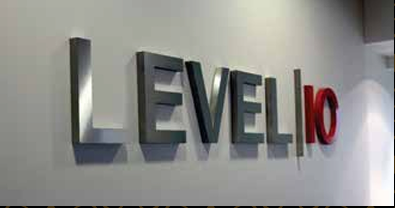
A signboard is one of the most important tools for businesses to communicate their brand to potential customers. It is often the first thing people notice about a company, making it essential for creating a strong first impression. Signboards serve as both a visual identifier and a marketing tool, helping businesses attract attention, communicate professionalism, and reinforce brand recognition. Many businesses underestimate the impact of a well-designed signboard, focusing solely on online marketing channels. However, physical signage plays a critical role in enhancing visibility and drawing new clients. By carefully designing, placing, and maintaining a signboard, companies can maximize their marketing impact.
The Role of a Signboard in Business
A signboard does more than just display a company name. It communicates vital information such as the logo, services offered, and brand personality. In high-traffic areas, a signboard can capture the attention of potential customers who may not be aware of the business. Signboards can also be used to highlight promotions, seasonal offerings, or important announcements. Incorporating the keyword signboard naturally within branding materials emphasizes its role in marketing and enhances customer awareness. A professional and well-placed signboard reinforces trust, increases engagement, and contributes to long-term brand growth.
Choosing Materials for Your Signboard
Selecting the right material is crucial for both durability and aesthetics. Acrylic is a modern choice that can be backlit for nighttime visibility, creating a sleek appearance. Aluminum and steel offer strength and weather resistance, making them ideal for outdoor environments. Wooden signboards convey warmth and a traditional feel, suitable for boutique shops, cafes, or artisanal businesses. PVC is lightweight, durable, and cost-effective, often used for temporary or promotional signage. High-quality materials ensure that the signboard maintains a professional appearance over time and continues to attract attention. Businesses that prioritize premium materials often see better long-term results from their signage.
Design Tips for Maximum Impact
An effective signboard balances creativity and readability. Use bold fonts, brand-consistent colors, and minimal graphics to communicate the message clearly. Avoid overcrowding the signboard, as too much text or visual elements can confuse viewers. Creative elements like 3D lettering, textures, and integrated lighting can make a signboard stand out in crowded areas. The keyword signboard can be subtly incorporated into the design to highlight its marketing value. A thoughtfully designed signboard draws attention, enhances brand recognition, and communicates professionalism to potential customers.
Placement Strategies for Visibility
The placement of a signboard is a key factor in its effectiveness. Outdoor signboards should be positioned in high-traffic areas or near entrances for maximum visibility. Indoor signboards can provide guidance, highlight promotions, or convey important messages. Consider line of sight, eye level, background contrast, and lighting when determining placement. Proper positioning ensures the signboard reaches its intended audience effectively. Many businesses analyze foot traffic patterns and sightlines to find the most strategic location. A signboard that is well-placed engages customers efficiently and reinforces brand presence.
Lighting Considerations
Lighting plays an important role in enhancing a signboard’s visibility and appeal. LED, neon, or backlit options ensure the signboard remains readable at night or in low-light conditions. Proper illumination prevents shadows or glare from obscuring the content. Some businesses use dynamic or color-changing lighting to draw attention to promotions or special events. Well-lit signboards increase visibility, create a lasting impression, and enhance brand recognition. Many companies rely on illuminated signboards to maintain attention around the clock, making them an effective marketing tool.
Maintenance for Long-Term Effectiveness
Maintaining a signboard ensures that it continues to function effectively and look professional. Regular cleaning, protective coatings, and timely repairs prevent fading, rust, or weather damage. Outdoor signboards may require additional weatherproofing to resist sun, rain, and dust. Indoor signboards benefit from regular cleaning and inspection. Businesses that maintain their signage consistently convey professionalism and reliability, which strengthens customer trust. Proper maintenance ensures that a signboard remains a valuable marketing asset for years to come.
FAQs About Signboards
What size is ideal for a signboard?
The size depends on the location and viewing distance. Large signboards are suitable for outdoor high-traffic areas, while smaller boards work for indoor spaces or low-traffic zones.
Are illuminated signboards more effective than non-illuminated ones?
Yes, illuminated signboards improve visibility at night or in dim conditions and attract more attention compared to unlit signs.
How often should a signboard be replaced or updated?
Signboards should be updated when branding changes, promotions shift, or wear and tear becomes noticeable. Modular designs make updates easier.
Which materials are best for outdoor signboards?
Durable options like aluminum, steel, acrylic, or treated wood withstand weather conditions and maintain appearance over time.
Do I need permission to install a signboard?
Local regulations often require permits for outdoor signage. Checking municipal rules ensures compliance and prevents fines or removal.
How long can a signboard last?
The lifespan varies depending on material and maintenance, typically ranging from five to twenty years. Proper care extends longevity.
Can a signboard help improve customer engagement and marketing?
Yes, a well-designed signboard attracts attention, reinforces brand identity, and serves as an effective marketing and engagement tool.
Conclusion
A signboard is a crucial element in modern business marketing and branding strategies. Selecting the right materials, designing for clarity and creativity, placing it strategically, and maintaining it regularly ensures maximum effectiveness. Integrating the keyword signboard naturally strengthens brand visibility and customer engagement. Investing in a high-quality, professionally designed signboard provides long-term benefits, including increased foot traffic, improved brand perception, and enhanced customer trust. A signboard is not just a display; it is a vital marketing asset that communicates your business identity to the world.
Author Bio
Written by Ajwaa abd, a signage and branding professional helping businesses enhance visibility and attract more customers. Discover premium and custom signboard solutions at Ajwaa for expert guidance and inspiration.