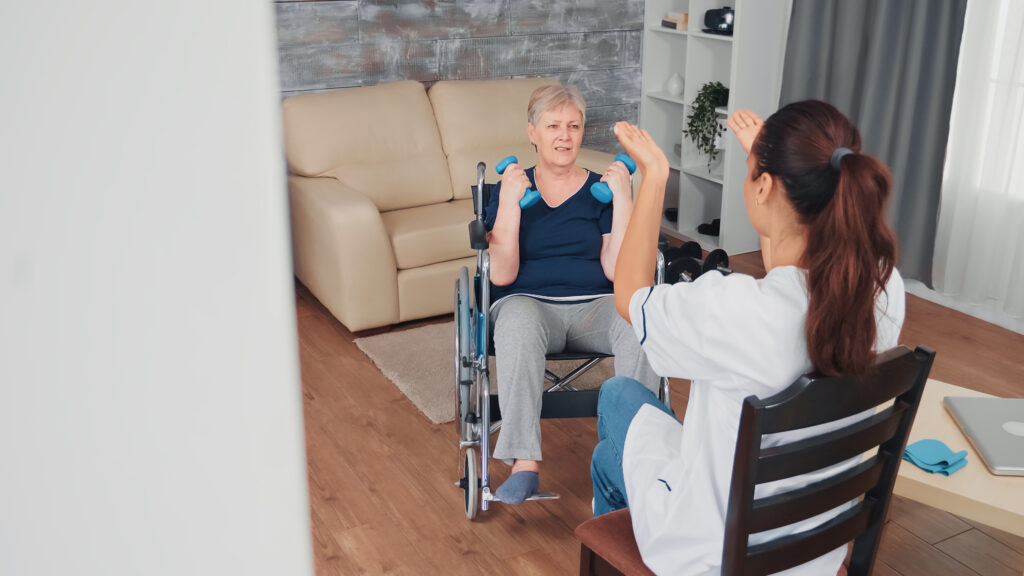
Invalid old woman in wheelchair doing rehab training with support from doctor. Disabled handicapped old person recovering professional help nurse, nursing retirement home treatment and rehabilitation
As people age, their healthcare needs often become more complex. Chronic conditions, recovery from medical procedures, and mobility limitations can require specialized medical attention that goes beyond basic assistance. While family members may want to help as much as possible, many medical situations require professional care, monitoring, and treatment.
For many seniors, Skilled Nursing care provides the advanced support necessary to maintain health, manage medical conditions, and promote recovery. These communities are designed to combine professional healthcare services with a supportive living environment that prioritizes comfort, dignity, and personalized attention.
Skilled Nursing communities offer a structured setting where seniors receive consistent medical supervision, rehabilitation support, and assistance with daily activities. This level of care ensures that residents are not only medically supported but also emotionally encouraged and socially engaged.
By providing comprehensive care services, Skilled Nursing communities play a crucial role in helping older adults manage health challenges while maintaining dignity and quality of life.
Understanding Skilled Nursing Care
Skilled Nursing refers to healthcare services provided by licensed medical professionals, including registered nurses, therapists, and other trained healthcare specialists. These professionals deliver specialized medical support that cannot be provided by non-medical caregivers alone.
Unlike traditional senior housing options that primarily focus on lifestyle and assistance with daily living, Skilled Nursing communities are equipped to manage complex medical needs that require ongoing monitoring and treatment.
Residents may require Skilled Nursing care for a variety of reasons, including:
- Recovery after surgery or hospitalization
- Management of chronic illnesses
- Rehabilitation following injury or stroke
- Long-term medical monitoring
- Assistance with complex medication schedules
These services ensure that seniors receive professional medical attention while living in a supportive community environment that prioritizes safety and comfort.
Continuous Medical Monitoring
One of the most significant benefits of Skilled Nursing care is access to continuous medical monitoring. Seniors with complex health conditions often require regular health assessments to ensure their treatments are effective and their conditions remain stable.
Healthcare professionals in Skilled Nursing communities regularly check vital signs such as blood pressure, heart rate, and oxygen levels. They also monitor symptoms, track changes in health status, and coordinate care with physicians.
This proactive approach allows caregivers to detect potential health concerns early and respond quickly before they develop into serious complications.
Regular medical supervision can prevent hospital readmissions and support better long-term health outcomes for seniors.
Medication Management and Treatment Support
Medication management can become increasingly complicated as seniors age. Many older adults take several medications to manage different health conditions, and keeping track of dosages, schedules, and potential interactions can be difficult.
In Skilled Nursing communities, healthcare professionals manage medication administration and ensure that residents receive treatments as prescribed by their physicians.
This level of oversight helps reduce medication errors and ensures consistent care. Nurses also monitor how residents respond to medications and communicate with healthcare providers if adjustments are needed.
Effective medication management plays a vital role in maintaining stable health conditions and improving overall wellness.
Rehabilitation Services for Recovery
Rehabilitation programs are an important component of Skilled Nursing care. Seniors recovering from surgery, stroke, or injury often require therapy to regain mobility, independence, and confidence.
Common rehabilitation services include:
Physical Therapy
Physical therapists help seniors rebuild strength, balance, and coordination. These exercises improve mobility and reduce the risk of falls.
Occupational Therapy
Occupational therapists focus on helping seniors perform daily activities such as dressing, bathing, cooking, and grooming. These skills are essential for maintaining independence.
Speech Therapy
Speech therapists assist residents who experience communication challenges or swallowing difficulties following certain medical conditions such as stroke.
These therapies help residents rebuild their abilities and regain confidence in their physical capabilities.
Personalized Care Plans
Every senior has unique healthcare needs, which is why Skilled Nursing communities develop individualized care plans for each resident.
These plans are created by healthcare professionals who evaluate medical history, current conditions, and recovery goals. Family members are often involved in the process to ensure that care plans align with residents’ personal preferences.
Care plans may include:
- Medical treatments and monitoring
- Therapy sessions
- Nutritional guidance
- Assistance with daily activities
- Emotional and social support programs
By tailoring services to each resident, caregivers ensure that seniors receive the most appropriate and effective care possible.
Support for Chronic Health Conditions
Many older adults live with chronic health conditions such as heart disease, diabetes, arthritis, or respiratory issues. Managing these conditions requires ongoing medical attention and careful coordination between healthcare providers.
Skilled Nursing professionals help manage chronic illnesses through consistent monitoring, medication management, and personalized treatment strategies.
For example, residents with diabetes may receive support with blood sugar monitoring and dietary planning, while those with heart conditions may benefit from regular cardiovascular assessments.
This comprehensive approach helps seniors maintain stability while reducing the risk of complications that could lead to hospitalization.
Preventing Falls and Promoting Safety
Falls are one of the most common causes of injury among seniors. Mobility limitations, medications, and health conditions can increase fall risk.
Skilled Nursing communities implement safety measures designed to protect residents from potential accidents. These measures often include:
- Mobility assistance from trained caregivers
- Fall prevention programs
- Accessible living spaces with handrails and support bars
- Supervised physical activity programs
These safety strategies help seniors maintain mobility while minimizing injury risks.
Emotional and Social Well-Being
Health is not only physical—it also involves emotional and social well-being. Seniors who feel isolated or disconnected may experience increased stress, anxiety, or depression.
Skilled Nursing communities provide supportive environments where residents can connect with others and participate in meaningful activities.
Social engagement opportunities may include group activities, recreational programs, and shared dining experiences. These interactions encourage friendships and create a sense of belonging.
Maintaining social connections can significantly improve overall happiness and emotional health.
Supporting Families Through Skilled Nursing Care
Families often experience stress when trying to manage complex healthcare needs for their loved ones. Skilled Nursing communities help relieve this burden by providing professional care and reliable medical support.
Family members can feel confident knowing their loved ones are receiving consistent care from trained healthcare professionals.
Many communities also encourage family involvement through visits, communication with care teams, and participation in care planning discussions.
Conclusion
Access to professional medical care is essential for many seniors facing complex health challenges. Skilled Nursing communities provide comprehensive healthcare services, rehabilitation programs, and compassionate support that help residents maintain their health and independence.
At Regency Retirement Village of Huntsville, Skilled Nursing care is designed to provide expert medical attention in a comfortable and supportive environment. With experienced healthcare professionals, advanced medical support, and personalized care plans, residents receive the assistance they need to maintain wellness and improve their quality of life.