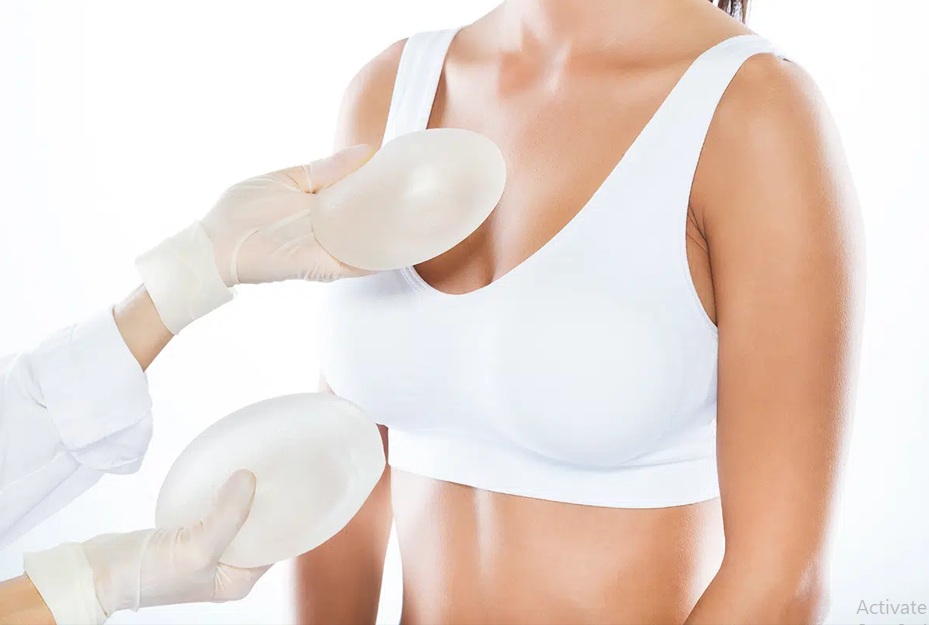
boob augmentation
Boob augmentation is one of the most popular cosmetic procedures worldwide, with thousands of women seeking to enhance their natural curves every year. Whether the motivation is to improve body proportions, restore volume lost after pregnancy, or boost self-confidence, boob augmentation has become increasingly accessible thanks to modern surgical techniques and advancements in breast implant technology. Understanding the procedure, its benefits, risks, and recovery process is essential for anyone considering this type of cosmetic enhancement.
The decision to undergo boob augmentation is deeply personal and should be based on informed research and consultation with a qualified plastic surgeon. Many women consider it after experiencing changes in their body due to aging, weight fluctuations, or childbirth. Others may have felt self-conscious about naturally small breasts and wish to achieve a fuller, more proportionate silhouette. Discussing expectations, implant options, and potential outcomes with a professional helps ensure realistic results and long-term satisfaction. Also you can check laser hair removal
Types of Boob Augmentation
There are two main approaches to boob augmentation: breast implants and fat transfer. Breast implants can be made of saline or silicone gel, each offering unique benefits. Saline implants are filled with sterile saltwater and can be adjusted for size during surgery, while silicone implants are often preferred for their natural feel and shape. Fat transfer, also called autologous fat grafting, uses fat harvested from other areas of the body to enhance breast volume. This method is more natural but typically offers a more subtle increase in size compared to implants. You can also take a look dermal fillers in Dubai
Choosing the Right Implant
Selecting the right implant involves multiple factors, including desired size, shape, and placement. Round implants provide a fuller upper breast, while teardrop-shaped implants offer a more natural slope. Placement can be under the muscle or over the muscle, affecting the appearance, feel, and recovery experience. Surgeons consider body type, chest measurements, and lifestyle when making recommendations. A proper consultation ensures that the chosen implant aligns with the patient’s goals and anatomy.
The Surgical Procedure
Boob augmentation is usually performed under general anesthesia and takes about one to two hours. The surgeon creates an incision in a discreet location, such as under the breast, around the areola, or in the armpit. The implant is then carefully inserted and positioned for symmetry and balance. Modern techniques aim to minimize scarring and provide natural-looking results. Most patients can go home the same day, although recovery and follow-up visits are critical for monitoring healing.
Recovery and Aftercare
Recovery from boob augmentation varies, but most patients can resume light activities within a few days and normal routines within two to four weeks. Swelling, bruising, and mild discomfort are common in the first few days, but pain is generally manageable with prescribed medications. Surgeons often recommend wearing a supportive bra and avoiding strenuous exercise for several weeks. Adhering to post-operative instructions significantly impacts long-term results and reduces the risk of complications.
Risks and Considerations
While boob augmentation is generally safe, it carries potential risks like any surgery. Complications may include infection, implant leakage or rupture, changes in nipple sensation, and capsular contracture (scar tissue forming around the implant). Choosing a board-certified surgeon, following pre- and post-surgery instructions, and maintaining realistic expectations can help mitigate these risks. It’s also important to consider long-term maintenance, as implants may need replacement after 10–15 years.
Non-Surgical Alternatives
Some women seek alternatives to traditional boob augmentation. Non-surgical options, such as padded bras, silicone inserts, or certain topical treatments, can temporarily enhance breast appearance. While these methods do not provide permanent results, they offer a low-risk way to experiment with size and shape. For those who prefer subtle enhancement without surgery, these alternatives can be a practical solution.
Cost and Financing
The cost of boob augmentation varies depending on factors like surgeon experience, type of implant, surgical facility, and location. In the United States, prices typically range from $5,000 to $10,000, including anesthesia and post-operative care. Many clinics offer financing options or payment plans to make the procedure more accessible. Researching reputable surgeons and understanding the breakdown of costs is essential for informed decision-making.
Psychological Benefits
Beyond physical enhancement, boob augmentation can have a positive impact on self-esteem and body image. Women who feel confident in their appearance often report improvements in personal and professional life, as well as overall satisfaction with their bodies. However, it’s important to have realistic expectations and understand that true confidence comes from self-acceptance, not just appearance.
Final Thoughts
Boob augmentation is a personal journey that combines medical science with aesthetics. When approached responsibly, with thorough research and guidance from a qualified surgeon, it can provide satisfying, long-lasting results. Understanding the procedure, choosing the right implant, and committing to proper aftercare are all essential steps for achieving the desired outcome. Whether your goal is enhanced curves, restored volume, or a boost in confidence, boob augmentation remains a highly effective option for many women worldwide.