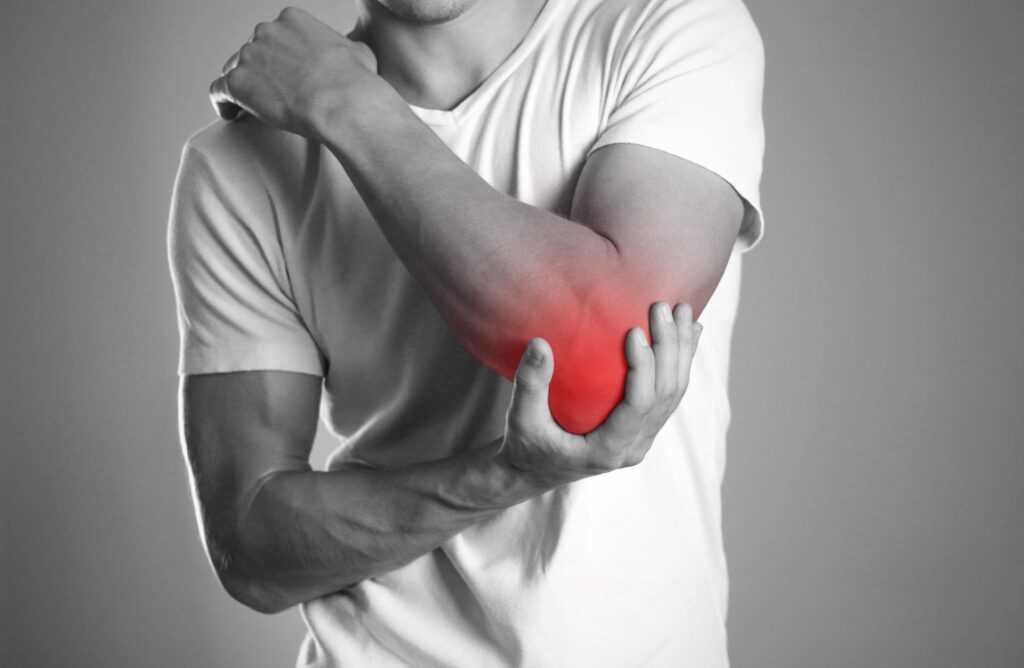
Tennis elbow, medically known as lateral epicondylitis, is a painful condition caused by overuse or strain of the forearm muscles and tendons. Although it is commonly associated with athletes, many office workers, manual laborers, and individuals performing repetitive arm movements can develop this condition.
The pain typically appears on the outer part of the elbow and may spread down the forearm, making everyday tasks like gripping objects, typing, or lifting items difficult. Fortunately, modern physiotherapy offers advanced non-surgical solutions that help reduce pain and restore arm function.
Clinics providing specialized Tennis Elbow Treatment Dubai use the latest physiotherapy technologies and rehabilitation techniques to accelerate recovery. One well-known center offering comprehensive rehabilitation programs is the Vitruvian Italian Physiotherapy Center. Their specialists combine modern therapies with personalized treatment plans to help patients regain strength and mobility.
This article explores the latest Tennis Elbow Treatment Dubai methods used in modern physiotherapy and how they support faster and safer recovery.
Understanding Tennis Elbow and Why It Occurs
Tennis elbow develops when the tendons that attach the forearm muscles to the outer elbow become inflamed or damaged due to repetitive stress. The condition is most commonly linked to repetitive wrist extension movements.
Typical causes include:
-
Repetitive arm movements during sports
-
Long hours of computer work
-
Repetitive lifting or gripping activities
-
Improper technique during sports such as tennis or golf
-
Overuse of forearm muscles in manual work
This repeated strain causes microscopic tears in the tendon, leading to pain and reduced grip strength. Proper Tennis Elbow Treatment Dubai focuses on repairing the damaged tissues and restoring muscle function.
Common Symptoms of Tennis Elbow
Tennis elbow symptoms may begin gradually and worsen over time if left untreated.
Common signs include:
-
Pain or burning sensation on the outer elbow
-
Weak grip strength
-
Pain while lifting objects
-
Difficulty turning a doorknob or holding a cup
-
Stiffness or tenderness around the elbow joint
Early physiotherapy intervention through Tennis Elbow Treatment Dubai can significantly reduce recovery time and prevent chronic tendon damage.
Advanced Physiotherapy Assessment for Tennis Elbow
Before beginning treatment, physiotherapists perform a comprehensive assessment to identify the severity and underlying causes of the condition.
This evaluation may include:
-
Physical examination of the elbow joint
-
Grip strength testing
-
Range of motion assessment
-
Posture and movement analysis
-
Imaging tests such as ultrasound if needed
At the Vitruvian Italian Physiotherapy Center, therapists use detailed evaluations to design customized Tennis Elbow Treatment Dubai plans tailored to each patient.
Ultrasound Therapy for Tennis Elbow
Ultrasound therapy is one of the most widely used physiotherapy treatments for tendon injuries. It uses high-frequency sound waves to stimulate healing deep within the affected tissues.
Benefits of ultrasound therapy include:
-
Reduced inflammation and swelling
-
Improved blood circulation
-
Accelerated tissue healing
-
Pain relief
Studies comparing ultrasound therapy and shockwave therapy have shown that both treatments can significantly reduce pain and improve upper limb function in patients with tennis elbow.
This technique is commonly integrated into Tennis Elbow Treatment Dubai rehabilitation programs.
Shockwave Therapy: A Modern Non-Invasive Solution
Extracorporeal Shockwave Therapy (ESWT) is one of the newest physiotherapy technologies used to treat chronic tendon injuries.
The treatment involves delivering acoustic shock waves to the injured tendon, stimulating blood flow and promoting tissue regeneration.
Research shows that shockwave therapy can significantly reduce pain and improve daily function in tennis elbow patients after several sessions.
Because of its effectiveness, many physiotherapy clinics now include shockwave therapy as part of advanced Tennis Elbow Treatment Dubai programs.
Platelet-Rich Plasma (PRP) Therapy
Another modern treatment option gaining popularity is Platelet-Rich Plasma (PRP) therapy.
PRP therapy involves injecting a concentrated portion of the patient’s own blood platelets into the injured tendon. These platelets contain growth factors that stimulate tissue repair.
Recent research suggests that combining PRP therapy with shockwave therapy and rehabilitation exercises may significantly improve pain relief and grip strength in tennis elbow patients.
PRP therapy is often used for chronic cases that do not respond to traditional Tennis Elbow Treatment Dubai methods.
Manual Therapy and Soft Tissue Techniques
Hands-on physiotherapy techniques remain an important component of tennis elbow rehabilitation.
Manual therapy methods include:
-
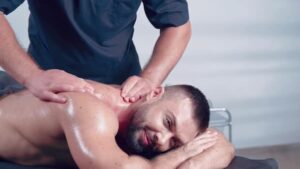
Deep tissue massage
-
Myofascial release
-
Joint mobilization
-
Trigger point therapy
These treatments help release muscle tension, improve joint movement, and reduce pain.
Physiotherapists often combine manual therapy with modern technologies in Tennis Elbow Treatment Dubai programs to enhance recovery.
Rehabilitation Exercises for Long-Term Recovery
Exercise therapy plays a crucial role in strengthening the muscles surrounding the elbow and preventing future injuries.
Typical rehabilitation exercises include:
-
Wrist extension strengthening
-
Forearm stretching exercises
-
Grip strengthening routines
-
Resistance band training
Gradual strengthening helps restore tendon function and prevents recurring injuries. Exercise therapy is considered a core element of effective Tennis Elbow Treatment Dubai programs.
Posture and Ergonomic Correction
Many tennis elbow cases occur due to improper posture or repetitive workplace activities.
Physiotherapists guide patients on:
-
Correct typing posture
-
Proper lifting techniques
-
Adjusting workstation ergonomics
-
Reducing repetitive strain
These lifestyle adjustments ensure long-term success of Tennis Elbow Treatment Dubai rehabilitation.
Benefits of Modern Tennis Elbow Treatments
With advances in physiotherapy technology, recovery from tennis elbow is now faster and more effective than ever.
Patients undergoing modern Tennis Elbow Treatment Dubai programs often experience:
-
Reduced pain and inflammation
-
Improved grip strength
-
Faster tissue healing
-
Restored elbow mobility
-
Reduced risk of chronic injury
Clinics such as the Vitruvian Italian Physiotherapy Center use these advanced therapies to deliver comprehensive rehabilitation solutions.
When to Seek Professional Treatment
You should seek professional physiotherapy if you experience:
-
Persistent elbow pain lasting more than two weeks
-
Weak grip strength
-
Pain during lifting or gripping
-
Difficulty performing daily tasks
-
Recurring elbow injuries
Early intervention through Tennis Elbow Treatment Dubai can prevent long-term tendon damage and speed up recovery.
Why Choose a Specialized Physiotherapy Center
Choosing an experienced physiotherapy center ensures safe and effective treatment. Professional clinics provide:
-
Experienced physiotherapists
-
Advanced rehabilitation equipment
-
Evidence-based treatment techniques
-
Personalized recovery plans
The Vitruvian Italian Physiotherapy Center is recognized for offering specialized Tennis Elbow Treatment Dubai programs designed to restore strength, mobility, and confidence in patients.
Conclusion
Tennis elbow can significantly affect daily activities and overall quality of life. However, modern physiotherapy treatments now provide effective non-surgical solutions for this condition.
Advanced methods such as ultrasound therapy, shockwave therapy, PRP injections, manual therapy, and structured exercise programs form the foundation of modern Tennis Elbow Treatment Dubai.