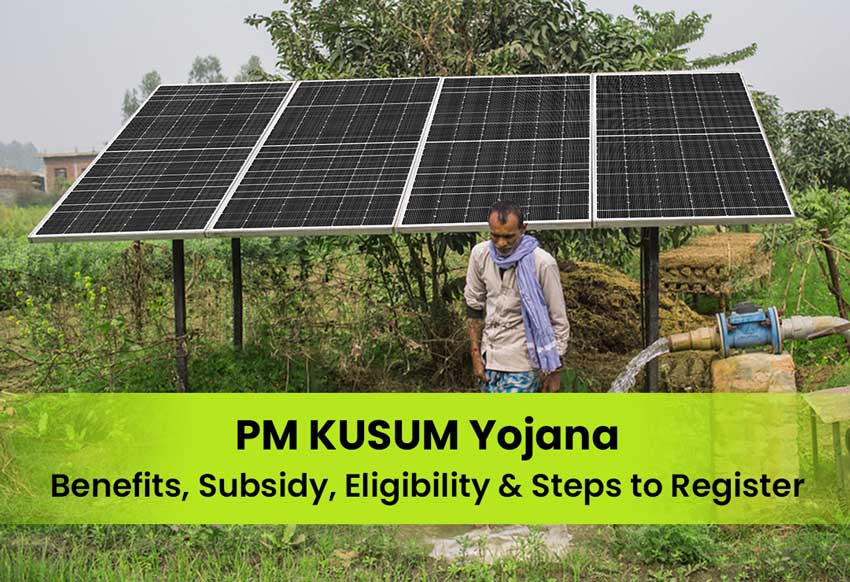
India has a large farming community, and electricity plays an important role in agricultural activities. Farmers depend on electricity to run irrigation pumps, operate machines, and manage water supply for crops. However, rising electricity costs and unreliable power supply often create difficulties for farmers. To address these challenges, the Government of India launched the PM Kusum Yojana, a scheme that promotes the use of solar energy in agriculture.
The main objective of this scheme is to help farmers install solar-powered pumps and generate their own electricity. This initiative not only reduces electricity expenses but also encourages the use of renewable energy. By shifting from conventional electricity sources to solar power, farmers can significantly lower their operational costs and increase their income.
In this article, we will explore how the PM Kusum Yojana works and how it helps farmers reduce electricity costs while improving agricultural productivity.
Understanding the PM Kusum Yojana
The PM Kusum Yojana is a government initiative designed to promote solar energy usage in rural and agricultural areas. The scheme supports farmers by providing financial assistance for installing solar-powered irrigation pumps and solar power plants on agricultural land.
Under this scheme, farmers can generate electricity using solar panels and use it for irrigation purposes. Any extra electricity produced can be sold to the local power distribution companies. This creates an additional source of income for farmers while ensuring a reliable power supply for agricultural work.
The government provides subsidies to make the installation of solar systems affordable for farmers. With this support, farmers can adopt solar technology without facing a heavy financial burden.
Key Components of the PM Kusum Yojana
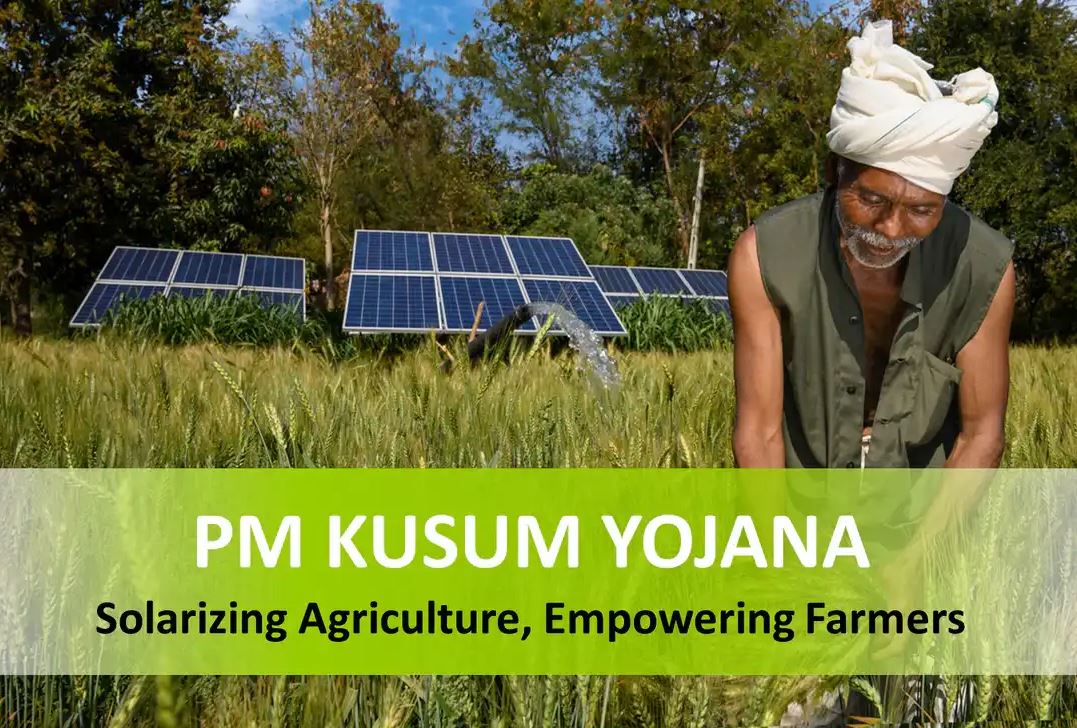
The PM Kusum Yojana is divided into different components that aim to increase the use of solar power in the agricultural sector.
After understanding the scheme, many farmers search for pm kusum yojana online registration so they can apply and receive the benefits of installing solar pumps and solar power systems on their farms.
Solar Power Plants on Agricultural Land
Farmers can install small solar power plants on their agricultural land. These solar plants generate electricity that can be supplied to the grid. The electricity distribution companies purchase this power from farmers, which helps them earn additional income.
Solarization of Existing Pumps
Many farmers already use electric or diesel pumps for irrigation. Under this scheme, these pumps can be converted into solar-powered pumps. This reduces dependence on electricity from the grid and eliminates fuel expenses.
Installation of Solar Irrigation Pumps
Farmers can install new solar irrigation pumps with the help of government subsidies. These pumps run entirely on solar energy and help farmers irrigate their fields without worrying about electricity bills or fuel costs.
How Solar Pumps Reduce Electricity Expenses
One of the major benefits of the PM Kusum Yojana is the reduction in electricity costs. Solar-powered irrigation pumps allow farmers to use energy generated directly from sunlight.
Traditional electric pumps require a constant electricity supply from the grid, and the cost of electricity can increase over time. In many rural areas, electricity supply is also limited or available only for a few hours. Solar pumps solve this problem by providing a reliable and free source of energy.
Once a solar pump is installed, the sunlight provides the energy required to operate it. This means farmers do not need to pay regular electricity bills. Over time, this leads to significant savings in farming expenses.
Additional Financial Benefits for Farmers
The PM Kusum Yojana does not only reduce electricity costs but also offers several financial advantages for farmers.
Government Subsidies
The government provides financial support for installing solar pumps and solar power plants. A large portion of the installation cost is covered through subsidies. This makes the technology accessible to small and medium farmers who may not have large financial resources.
Opportunity to Sell Extra Electricity
Farmers who generate more electricity than they need can sell the surplus power to electricity distribution companies. This creates a steady income source while also contributing to the country’s renewable energy production.
By selling electricity, farmers can turn their agricultural land into a source of energy production, which improves their overall financial stability.
Environmental Benefits of the PM Kusum Yojana
/saur-energy/media/post_attachments/2023/10/img_7676.jpg)
The PM Kusum Yojana also contributes to environmental protection by encouraging the use of clean energy.
Solar energy does not produce harmful emissions or pollution. By replacing diesel pumps and reducing the use of grid electricity generated from fossil fuels, the scheme helps lower carbon emissions.
This shift toward renewable energy supports sustainable agriculture and protects natural resources. It also helps India move toward its renewable energy goals while supporting rural communities.
Long-Term Impact on Rural Development
The introduction of solar technology in agriculture can transform rural economies. Reliable electricity allows farmers to irrigate their fields on time, which improves crop productivity.
Solar pumps reduce dependence on diesel fuel and unstable electricity supply. Farmers can operate irrigation systems during the day when sunlight is available, ensuring efficient water management.
In addition, the ability to generate and sell electricity encourages farmers to view their land not only as a farming resource but also as a source of renewable energy production. This creates new economic opportunities in rural areas.
Over time, the adoption of solar energy can lead to improved infrastructure, better farming practices, and stronger rural economies.
Conclusion
The PM Kusum Yojana is an important step toward reducing electricity costs for farmers while promoting renewable energy in agriculture. By providing subsidies for solar pumps and solar power plants, the scheme makes clean energy accessible to rural communities.
Farmers benefit from lower electricity expenses, reliable power supply, and the opportunity to earn additional income by selling surplus electricity. At the same time, the use of solar energy supports environmental sustainability and reduces dependence on fossil fuels.
As more farmers adopt solar technology, the scheme can play a significant role in strengthening India’s agricultural sector and improving the financial stability of rural households. The PM Kusum Yojana demonstrates how renewable energy can support both economic growth and environmental protection.
What is PM Kusum Yojana?
PM Kusum Yojana is a government scheme that promotes the use of solar energy in agriculture. It helps farmers install solar irrigation pumps and solar power plants with the support of government subsidies.
How does the PM Kusum Yojana reduce electricity costs?
The scheme allows farmers to use solar energy to power irrigation pumps. Since sunlight is free, farmers do not need to pay regular electricity bills, which significantly reduces farming expenses.
Who can apply for the PM Kusum Yojana?
Farmers who own agricultural land and require irrigation pumps can apply for the scheme. Eligibility conditions may vary depending on the state government’s implementation guidelines.
Can farmers earn income through the PM Kusum Yojana?
Yes. Farmers can sell surplus electricity generated from solar power plants to electricity distribution companies, creating an additional source of income.
Is there government support for installing solar pumps?
Yes. The government provides subsidies to reduce the installation cost of solar pumps and solar power systems. This financial assistance makes solar technology affordable for farmers.